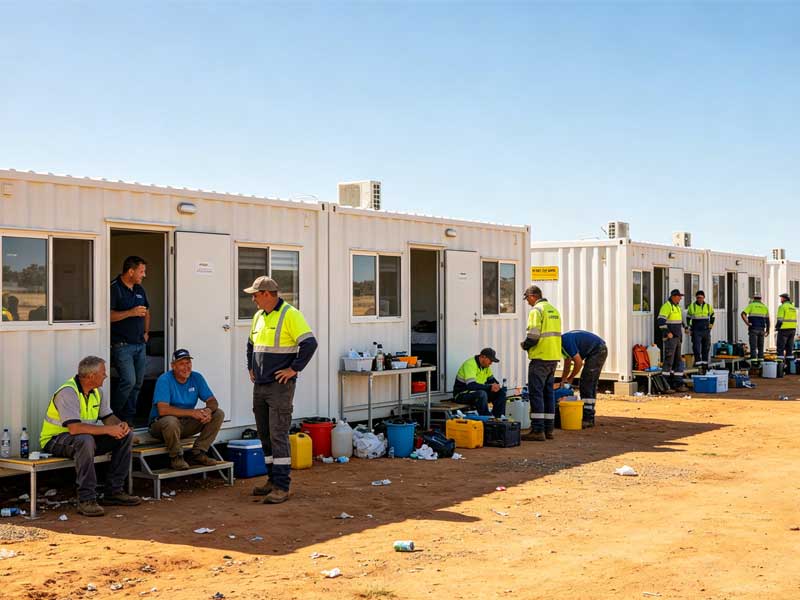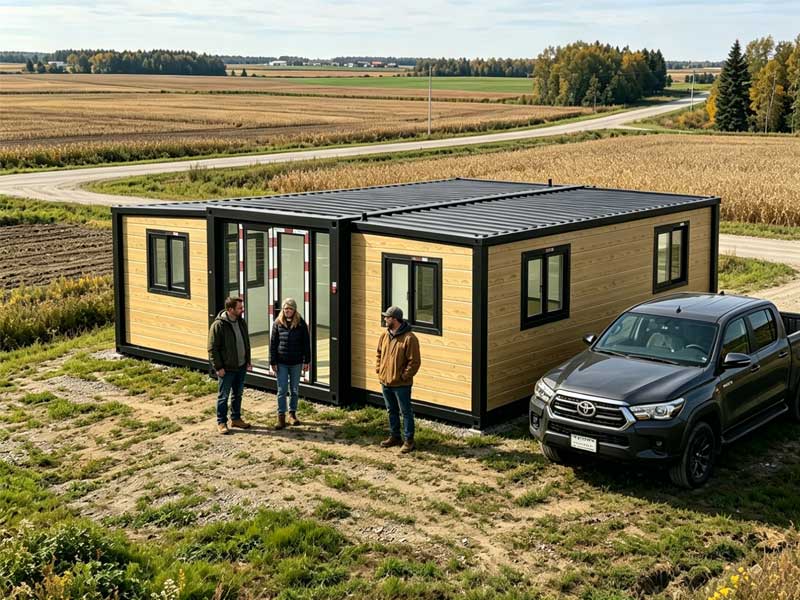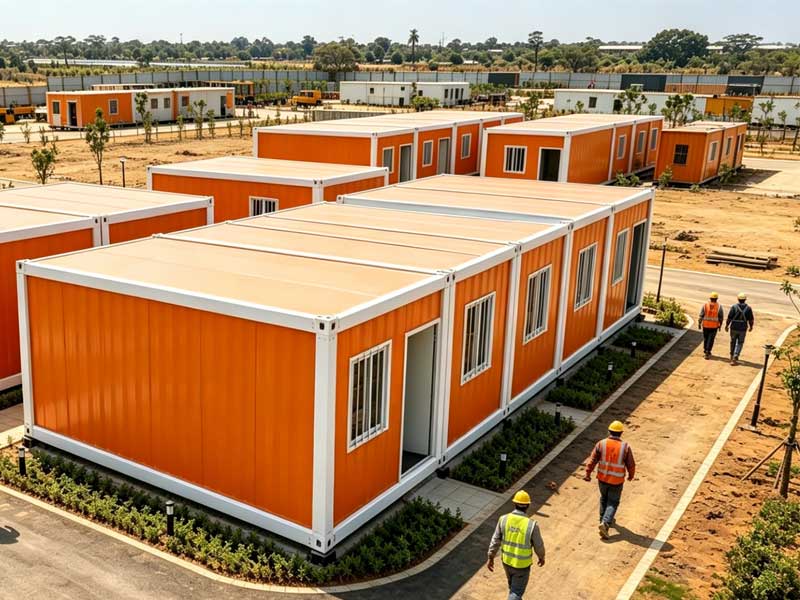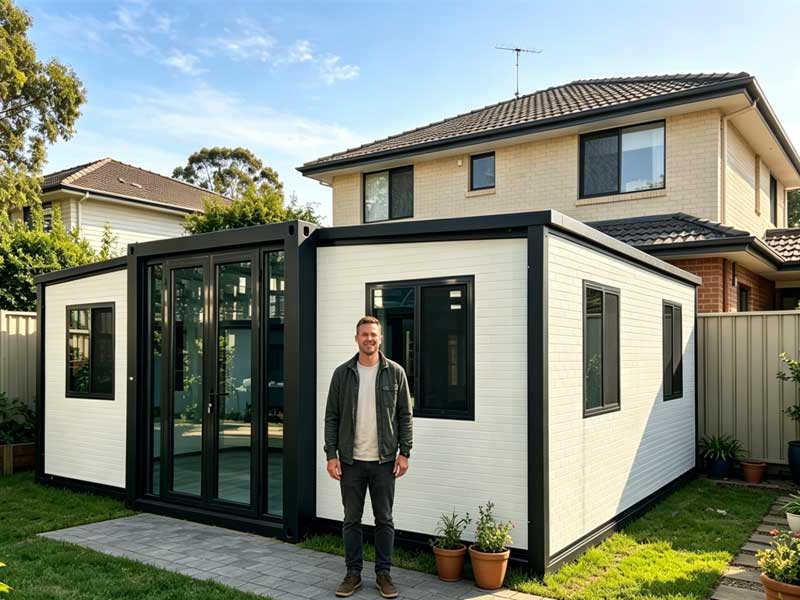


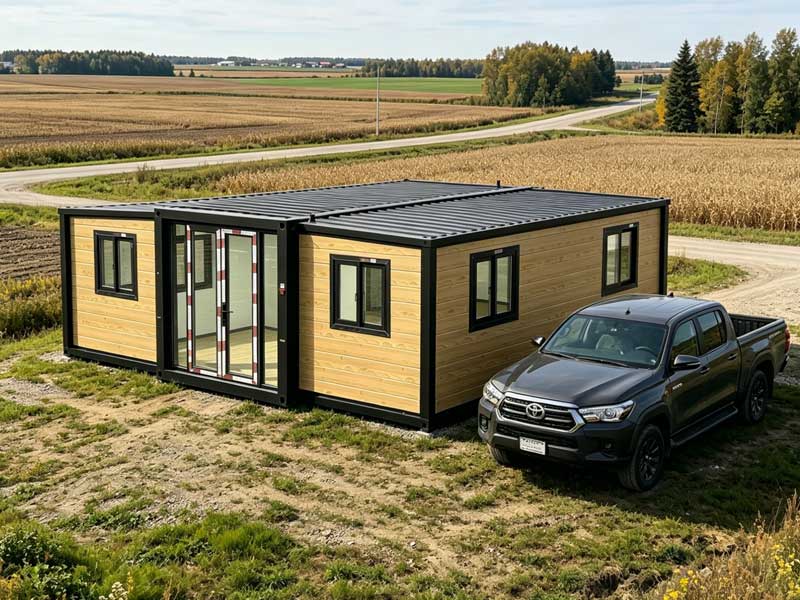
In the spring of 2025, Green Valley Farm Ltd., located on 248 Street in the agricultural zone of Langley, British Columbia, began preparing for the upcoming harvest season. As the farm expanded its blueberry acreage, the demand for seasonal workers between May and October increased significantly. The challenge was practical: the existing wooden temporary dormitories were aging, costly to maintain, slow to approve for reconstruction, and impossible to relocate if the farm layout changed. Mark Thompson, Operations Manager of Green Valley Farm, initially found us through Google searches using terms like “expandable house for farm workers Canada” and “folding container house Vancouver temporary building.” In his first email, he was straightforward. He needed a housing solution that could be folded for economical transport, quickly deployed upon arrival, and capable of withstanding Vancouver’s coastal, high-rainfall climate. It was clear from the beginning—this would require careful technical communication, not just a price quotation. Early Discussions: Clarifying Structure Before Cost Our first video meeting took place in early March. The client’s main concerns were structural durability, insulation performance, waterproofing, and electrical compatibility with Canadian standards. Vancouver’s climate is wet, with significant annual rainfall and high soil moisture levels in agricultural areas. We addressed these points in detail: Galvanized steel main frame to reduce long-term corrosion risk Reinforced roof waterproofing membrane and upgraded sealing strips Rock wool sandwich wall panels for improved insulation and fire resistance Electrical system prepared for CSA-compatible connections The folding hinge system became a key discussion point. Since the buildings might be relocated in the future, structural stability during repeated folding and unfolding was critical. We provided load calculation reports and factory folding test videos to demonstrate durability. By the second round of discussions, the focus shifted from feasibility to layout refinement. The final configuration included a 38-square-meter expanded area per unit, designed to accommodate four workers, complete with sleeping quarters, a compact kitchenette, shower bathroom, and a small office corner. The contract was formally signed at the end of April. Manufacturing and Export Preparation Production began immediately after contract confirmation. Each unit underwent detailed inspection before shipment. Weld joints were examined, insulation panels verified, and the folding mechanism tested repeatedly to ensure structural integrity after expansion. For shipping efficiency, the units were folded flat. A single 40HQ container accommodated two complete 38-square-meter expandable units. This transport method significantly reduced sea freight costs—one of the main reasons the client chose a double wing expandable house solution for Canada. The shipment departed from Yantian Port in Shenzhen and arrived at the Port of Vancouver after approximately 18 days at sea. All export documentation, packing lists, and technical manuals were prepared in advance to ensure smooth customs clearance. On-Site Installation in Langley By late June, the units arrived at the farm site in Langley. Concrete strip foundations had been prepared in advance by the local team. The unfolding process proved more efficient than anticipated. Each unit required approximately two hours for full expansion. Once both wings were deployed, the interior transformed from a compact shipping form into a complete living space. Local certified electricians completed the electrical connections, and the entire setup was operational within three days. Mark stood on site during the first deployment and remarked, “This is much faster than rebuilding wooden housing.” Before the July harvest began, the dormitories were fully in use. Performance Through the Rainy Season After a full rainy season, the farm provided feedback based on real usage: No roof leakage Better insulation performance compared to old wooden dormitories Stable interior humidity levels Solid structural performance without noticeable movement For the farm, mobility became the greatest advantage. Once the harvest season ends, these modular farm temporary buildings can be relocated to different areas of the property rather than becoming fixed, immovable assets. Green Valley Farm has since initiated discussions for additional expandable units to expand their seasonal housing capacity. Client Feedback Mark Thompson later shared his thoughts: “We needed a reliable solution that genuinely addressed our operational needs. Hengmao provided clear structural documentation and complete export support. The shipping costs were reasonable, deployment was fast, and the units have performed well in Vancouver’s rainy climate. For agricultural use, this type of modular, movable building is extremely practical. We look forward to continued cooperation.” Closing Thoughts The Hengmao double wing expandable house project in Vancouver was not about marketing claims—it was about structured communication, technical verification, and real-world performance. For businesses searching for an expandable house supplier in Canada, a folding container house for farm workers, or a modular temporary farm building in Vancouver, the Langley project stands as a practical reference. In the end, reliability is measured after installation. Vancouver’s rainy season has already provided its verdict.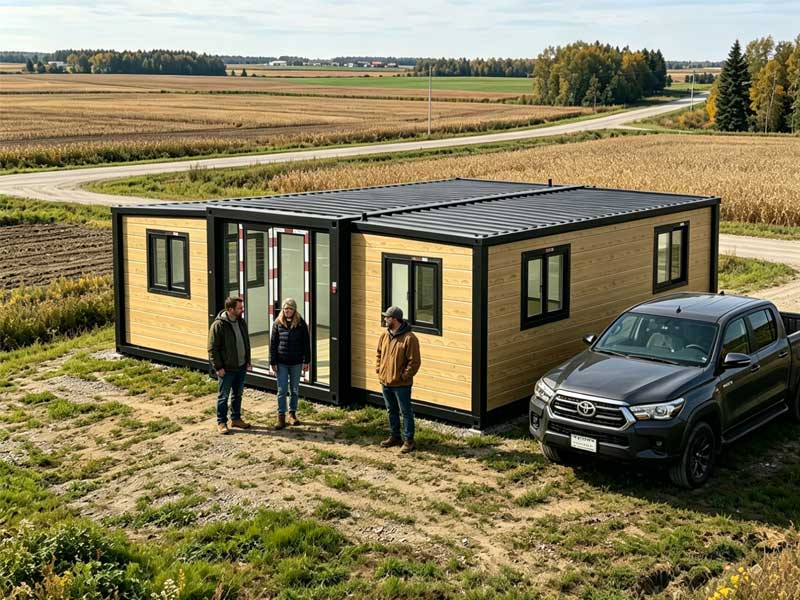
2026-05-20 65
Hengmao Double Wing Expandable House Exported to Vancouver, Canada
Product Categories
Latest Products