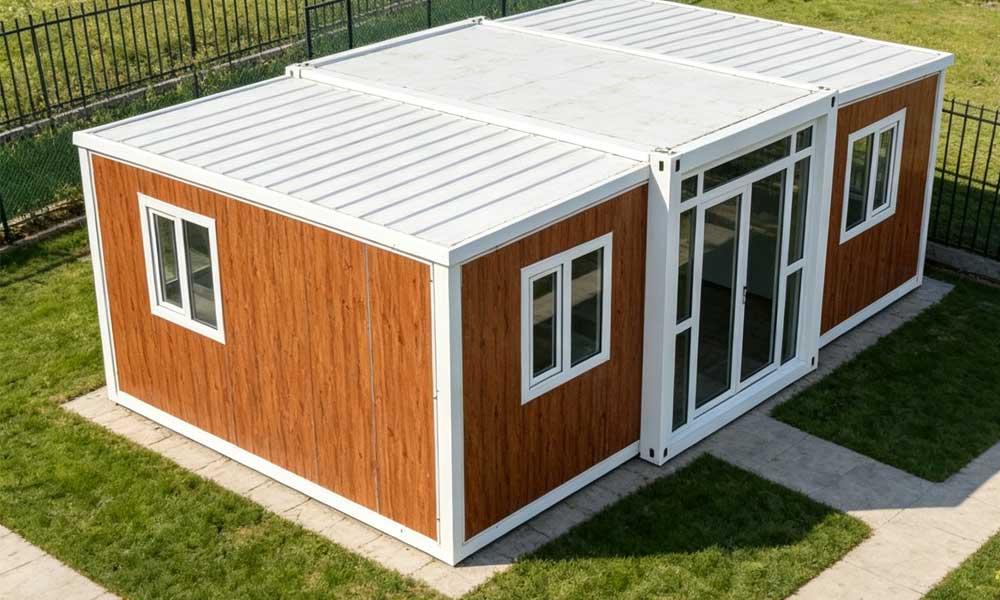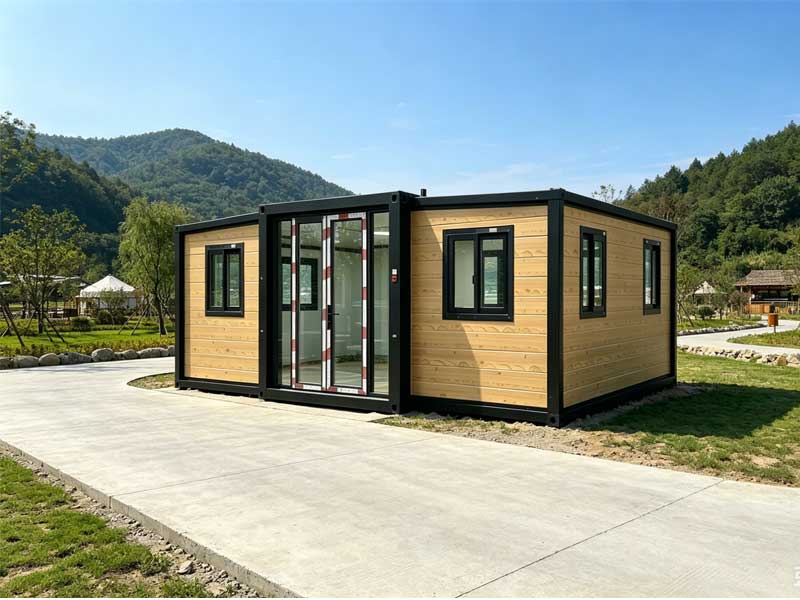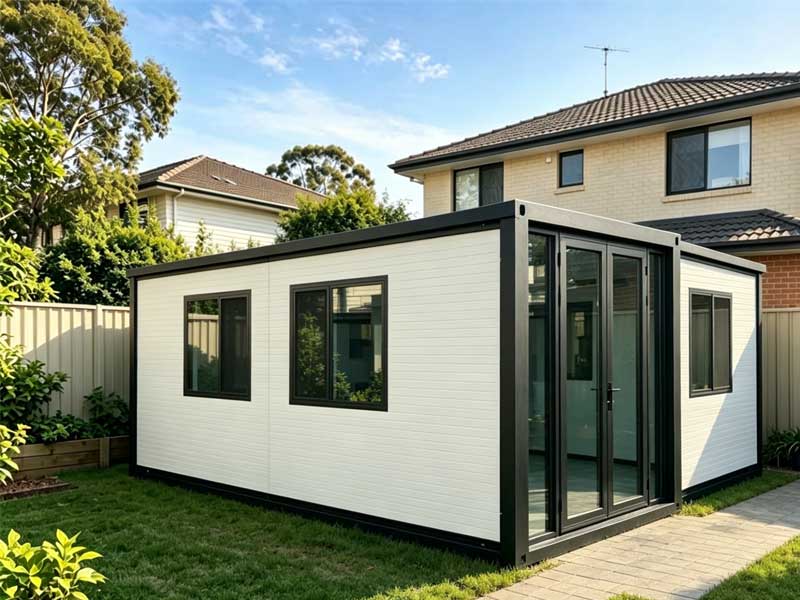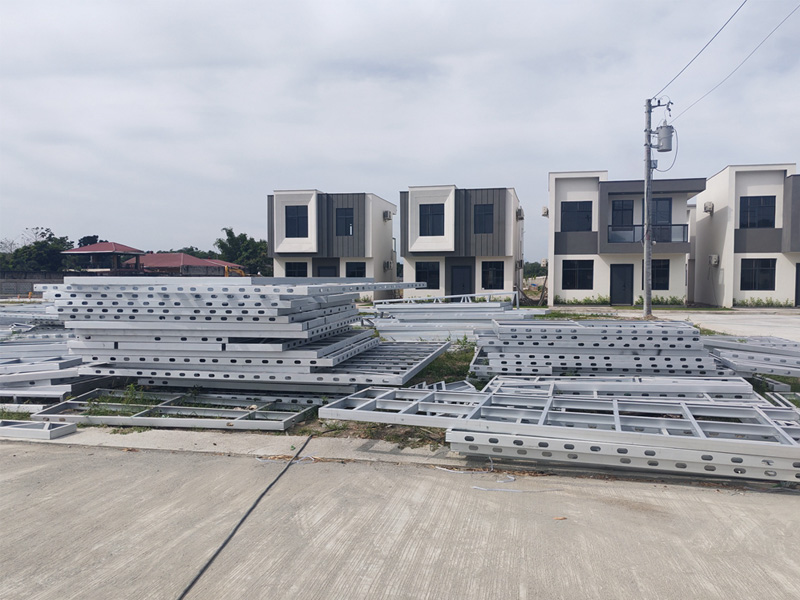



Importing modular homes into Australia presents significant potential—but it is also a highly regulated process. Whether you are importing expandable container homes, space capsule homes, or quick-assembly modular units, compliance with Australian electrical and plumbing regulations is mandatory.
Two certifications are central to this process: SAA certification and WaterMark certification.
Failing to understand these requirements can result in customs delays, failed inspections, financial losses, and even legal liability. This guide explains what SAA and WaterMark mean, how they apply to modular buildings, and how to structure your procurement process to ensure smooth customs clearance and project delivery in Australia.
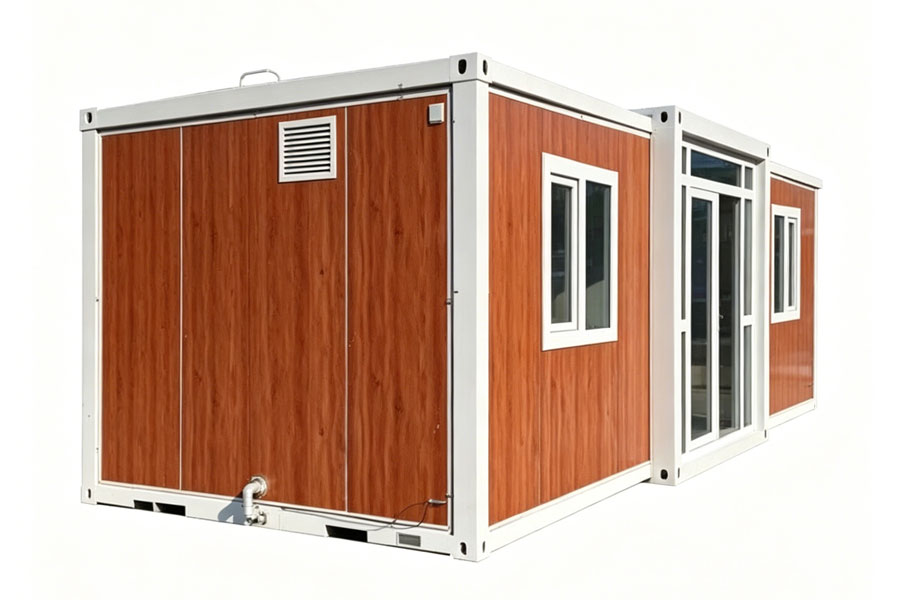
The Importance of Compliance in Australia’s Modular Housing Market
Australia has strict construction standards governed by the National Construction Code (NCC) and relevant state authorities. Any prefabricated or modular building connected to the following facilities must comply with Australian standards before obtaining installation approval:
Electrical grid
Plumbing or drainage systems
Permanent foundations
This applies to the following types of buildings:
Expandable container homes
Portable cabins
Granny flats
Mining camp modular buildings
Tiny houses for tourism
Site offices and prefabricated classrooms
What Is SAA Certification?
SAA certification refers to the approval of electrical products recognized under Australian standards (primarily AS/NZS standards). While the historical term "SAA" is commonly used in trade, compliance today generally involves certification by bodies accredited by Australian regulators.
Scope of SAA Certification in Modular Homes
For modular and container homes, SAA-related compliance applies to:
Distribution boards
Switches & sockets
Internal wiring systems
Circuit breakers
Lighting fixtures
Power inlet systems
If your modular home is pre-wired in China and shipped to Australia, its electrical system must meet AS/NZS standards to be legally connected to the Australian grid.
Commonly Involved Electrical Standards
Component | Typical Relevant Standard | Required For |
|---|---|---|
Switchboards | AS/NZS 61439 | Commercial & residential modules |
Wiring | AS/NZS 3000 | All grid-connected units |
Plugs & sockets | AS/NZS 3112 | Internal fittings |
RCD protection | AS/NZS 61008 | Safety compliance |
Failing to meet these standards may require complete rewiring in Australia, which significantly increases costs.
What Is WaterMark Certification?
WaterMark is a mandatory certification scheme for plumbing and drainage products in Australia.
If your modular home includes the following facilities, the relevant components must hold valid WaterMark approval:
Bathrooms
Toilets
Shower systems
Kitchen sinks
Water supply pipes
Drainage fittings
Why WaterMark Certification Matters
Without WaterMark-certified plumbing components:
The building cannot receive final inspection approval
Local plumbers may refuse installation
Insurance claims may be invalid
Common Plumbing Components Requiring WaterMark Certification
Component | WaterMark Required? | Notes |
|---|---|---|
Toilets | Yes | Must be a certified model |
Faucets & mixers | Yes | Compliance with pressure and flow requirements |
PPR / PEX piping | Yes | Must meet AS/NZS standards |
Floor drains | Yes | Common inspection issue |
Flexible hoses | Yes | Often overlooked |
Many importers underestimate this step, leading to issues at the installation stage rather than during customs clearance.
Impact of Certification on Expandable & Space Capsule Homes
For products such as:
Double-wing expandable container homes
Space capsule prefabricated homes
Quick-assembly container units
Compliance planning must begin at the design stage.
Electrical Pre-Installation Strategies
Option 1:
Ship units without internal wiring and complete wiring in Australia.
Option 2 (Recommended):
Manufacture with pre-installed Australian-compliant components and provide certification documentation.
Option 2 reduces:
On-site labor costs
Installation time
Inspection risks
Step-by-Step Import Compliance Strategy
Step 1 – Confirm Project Type
Is the building:
Temporary site accommodation?
Permanent dwelling?
Mining or remote camp unit?
Tourism cabin?
Different classifications affect approval requirements.
Step 2 – Verify Electrical Compliance
Ensure all installed electrical components meet AS/NZS standards
Obtain test reports from accredited laboratories
Confirm labeling requirements
Step 3 – Verify Plumbing Compliance
Replace non-compliant fixtures before shipment
Confirm WaterMark certification numbers
Prepare documentation for inspectors
Step 4 – Engage Australian Certifiers Early
Engage the following professionals:
Local building surveyor
Electrical inspector
Plumbing compliance officer
Pre-approval reduces the risk of rejection after arrival.
Common Mistakes Made by Importers
Assuming CE or other international certifications are sufficient
Shipping fully installed plumbing systems without WaterMark approval
Failing to adapt to voltage requirements (Australia uses 230V / 50Hz)
Not preparing compliance documentation
Prioritizing price over compliance
Australia does not automatically accept European or other international certifications for plumbing and electrical systems.
Compliance Cost Considerations
Category | Typical Cost Impact | Risk if Ignored |
|---|---|---|
Electrical upgrades | Medium | Rewiring required |
Plumbing replacement | Medium-High | Failed inspection |
Certification testing | Low-Medium | Customs or installation delays |
Documentation errors | Low | Project delays |
Investing in compliance at the factory stage is almost always more cost-effective than rectifying issues after arrival.
Expert Perspective: Manufacturer’s Viewpoint
From a manufacturer’s standpoint, exporting modular homes to Australia requires designing for compliance from the start rather than retrofitting later.
At Hengmao, our approach includes:
Pre-installing AS/NZS compliant electrical systems
Using WaterMark-certified plumbing components
Providing comprehensive documentation packages
Supporting Australian clients through the inspection process
This ensures smoother customs clearance and faster project handover.
Frequently Asked Questions (Q&A)
Q1: Can I import a container home with CE certification and use it directly in Australia?
From our experience as a manufacturer, CE certification alone is not sufficient. Australia requires compliance with AS/NZS electrical standards and WaterMark plumbing regulations. Without these, additional modifications will be required locally.
Q2: Is it cheaper to modify the house after arrival?
In most cases, no. Retrofitting electrical and plumbing systems in Australia significantly increases labor costs and may delay installation approvals. We recommend preparing for compliance at the factory before shipment.
Q3: How long does compliance preparation usually take?
When planned in advance, compliance preparation typically adds 1–3 weeks to production time, depending on the configuration. However, this prevents costly delays of several months after arrival.
Final Thoughts: Plan Smart, Import Smoothly
Australia remains one of the most promising markets for modular homes, expandable container homes, and innovative prefabricated structures. However, success depends on being regulatory-ready.
If you are planning to import modular homes into Australia and want to avoid compliance risks, documentation issues, or unexpected reconstruction costs, professional guidance at the factory stage makes all the difference.
Contact our team today to evaluate your project configuration and receive a compliance-ready export solution tailored for the Australian market.