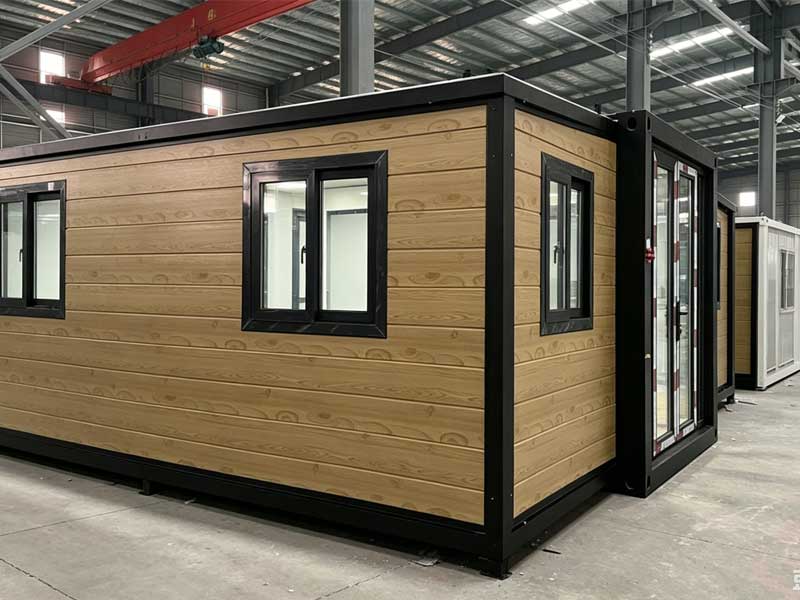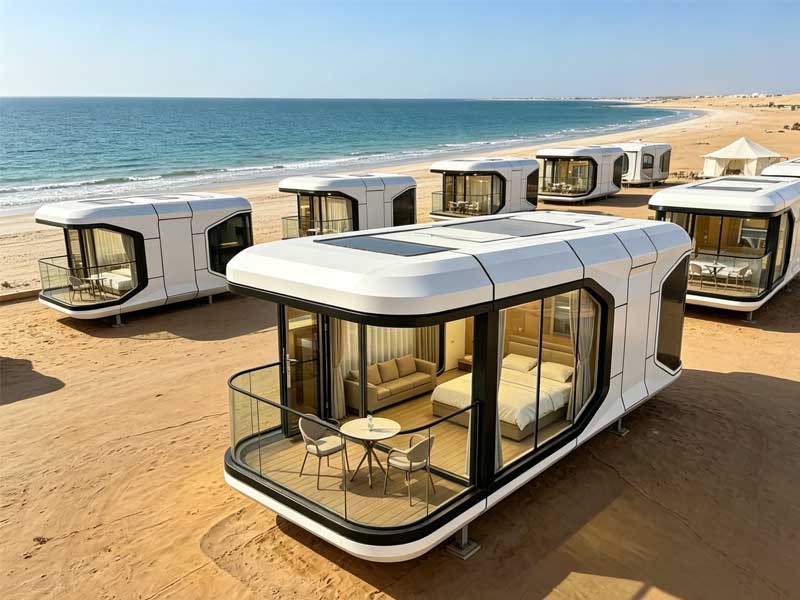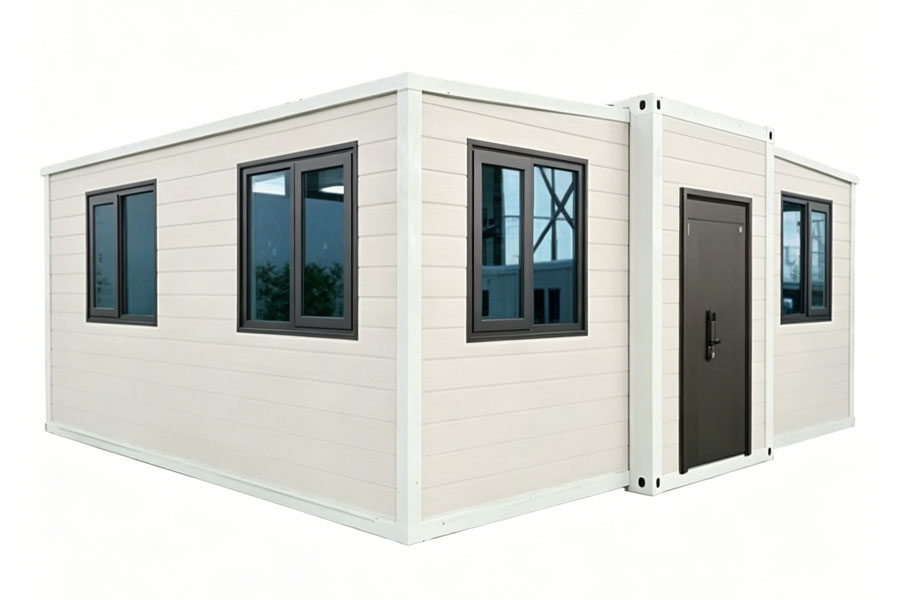


The U.S. housing market in 2026 looks very different from what it did five years ago. Rising construction costs, labor shortages, longer permit timelines, and increasing demand for flexible housing have pushed many buyers to rethink traditional building methods. Across states like California, Texas, Florida, and Arizona, expandable houses are becoming one of the fastest-growing segments in modular construction. What was once seen as a temporary or experimental product is now being used for backyard ADUs, rural housing, vacation cabins, workforce accommodation, and even long-term residential living. At Hengmao, we have noticed a clear shift in customer inquiries from the U.S. market. Buyers are no longer only asking about pricing. They now focus on insulation systems, structural framing, electrical compatibility, transport efficiency, and long-term durability. This change shows that the market for double wing expandable houses is becoming more mature and practical. So why are expandable houses suddenly gaining so much attention in the United States in 2026? Housing Costs Continue to Rise One of the biggest reasons is simple: traditional construction has become expensive. In many U.S. cities, labor costs remain high, and local contractors often face scheduling backlogs. Material price fluctuations have also made budgeting more difficult for homeowners and small developers. Expandable housing offers a faster alternative. Because the structure is manufactured in a factory environment, much of the work is completed before shipment. This reduces on-site labor time and shortens overall project schedules. For buyers searching for an affordable expandable house in the USA, this combination of lower labor dependency and faster installation has become highly attractive. Several of our recent American clients specifically mentioned that local construction timelines had stretched beyond six months, making modular solutions more practical. The Backyard ADU Market Is Expanding Fast The growth of ADUs (Accessory Dwelling Units) has become another major driver. States such as California continue to relax regulations for secondary housing units on residential properties. Homeowners are now building additional living spaces for: Rental income Elderly parents Adult children Guest accommodation Home offices A double wing expandable house for backyard ADU projects offers several advantages in this market. The unit arrives folded for transportation and can be expanded quickly after delivery. Compared with traditional wood-frame construction, installation creates less disruption to the existing property. This matters for homeowners who continue living on-site during construction. Many buyers also appreciate that the structure can potentially be relocated or repurposed in the future. Transportation Efficiency Is Improving Project Economics Shipping efficiency is another reason expandable housing is growing rapidly in the U.S. market. Traditional modular homes often require oversized transport permits and complex logistics coordination. In contrast, a 40ft expandable container house can be folded into compact shipping dimensions before transport. This reduces: Ocean freight costs Inland transportation expenses Port handling complexity For developers importing multiple units, transportation savings become significant. Projects involving: Workforce accommodation Tourism cabins Temporary site housing Farm worker residences often depend heavily on transport efficiency to remain financially viable. Expandable Houses Are Becoming More Comfortable A few years ago, many buyers associated expandable housing with temporary shelters or basic container structures. That perception is changing quickly. Modern prefabricated expandable homes now include: Insulated wall systems Double-glazed windows Full bathrooms Kitchens Residential flooring Air conditioning systems For U.S. buyers, insulation performance is especially important. Northern states require stronger cold-weather protection, while southern regions focus more on cooling efficiency and heat resistance. At Hengmao, many American buyers request upgraded insulation configurations for long-term residential use rather than temporary occupancy. This shift has helped expandable houses move closer to mainstream housing solutions. Rural and Remote Living Trends Are Increasing Demand Remote work continues to influence where Americans choose to live. Many families are moving away from major urban centers and purchasing rural properties, farmland, or recreational land. Traditional construction in these locations can be expensive and slow due to contractor availability. Expandable housing fits naturally into this trend. We have seen growing interest in: Expandable farm houses Remote modular cabins Ranch guest housing Expandable vacation homes For these projects, the ability to transport and deploy housing quickly becomes a major advantage. Faster Installation Means Faster Returns For developers and investors, time directly affects profitability. Traditional construction projects can experience delays from weather, labor shortages, and material scheduling problems. Expandable housing reduces many of these risks because most fabrication occurs indoors before shipment. In several recent projects, clients completed foundation preparation before the units arrived. Once delivered, the houses were unfolded, connected to utilities, and operational within days. For investors developing fast installation modular homes in the USA, this shorter timeline improves project turnover and rental readiness. Buyers Are Asking More Technical Questions Another major change in 2026 is the type of questions buyers ask. Instead of searching only for “cheap container homes,” many clients now ask about: IRC compatibility Wind resistance Insulation values Electrical systems Structural framing materials This indicates the U.S. expandable housing market is becoming more professional and informed. Manufacturers with real export experience, engineering support, and customization capability are becoming more valuable than low-cost suppliers offering generic products. Frequently Asked Questions Q1: Are expandable houses allowed in the United States? Requirements vary by state and local jurisdiction. Many projects can proceed when the structure complies with local building, electrical, and foundation requirements. Q2: Can a double wing expandable house be used as a permanent residence? Yes. Many buyers now use expandable houses as permanent ADUs, rural homes, tourism cabins, and long-term rental units with upgraded insulation and utility systems. Q3: How long does installation usually take? Once the site foundation and utility connections are prepared, most expandable houses can be unfolded and installed within several hours to a few days depending on project size. Build Flexible Housing Solutions with Hengmao Expandable Houses The rapid growth of expandable housing in the U.S. market is not simply a short-term trend. Buyers are looking for faster construction, lower transport costs, flexible living space, and practical alternatives to traditional building methods. Hengmao continues to provide customized double wing expandable house solutions for clients across residential, tourism, workforce, and modular development sectors. Whether you are planning a backyard ADU, a rural housing project, worker accommodation, or a vacation cabin development, Hengmao expandable houses are designed to combine transport efficiency, practical living comfort, and long-term structural reliability. Hengmao Double Wing Expandable Houses are built for real projects, real climates, and real-world housing demands.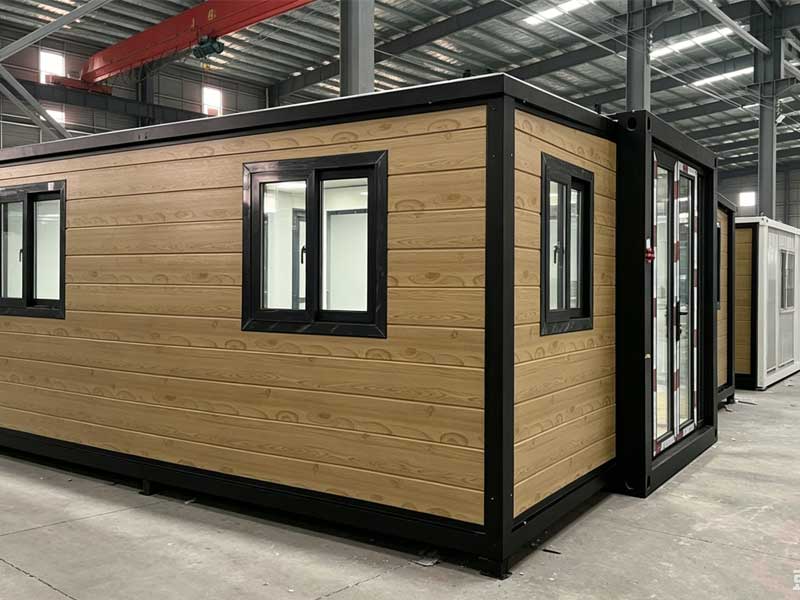
2026-05-21 51
Why Expandable Houses Are Exploding in the U.S. Market in 2026
Product Categories