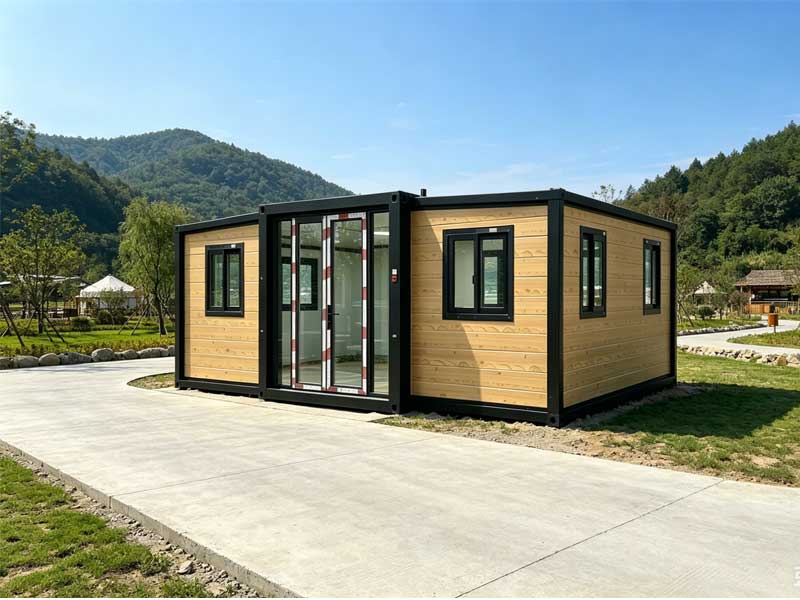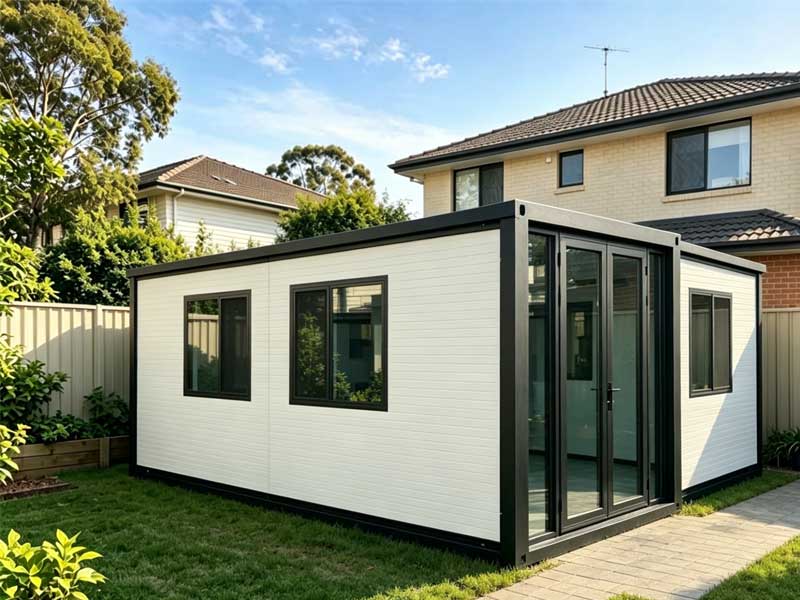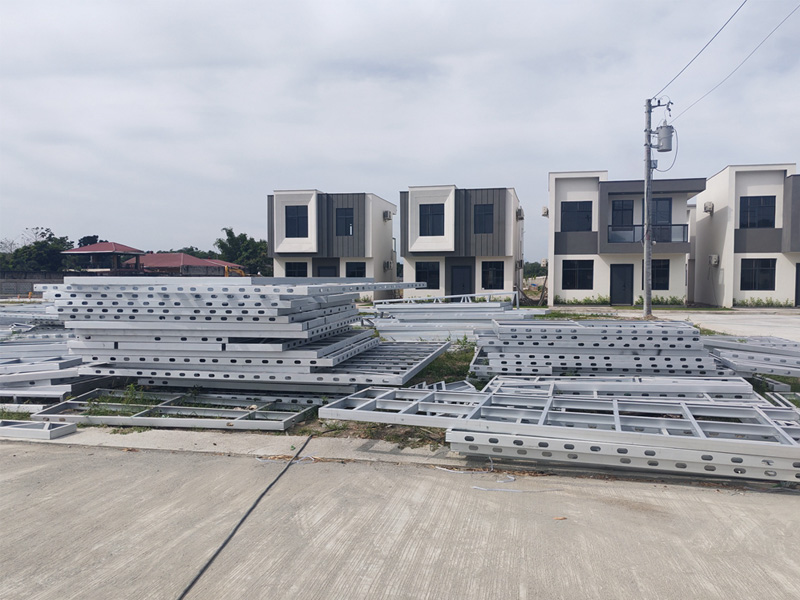



France is renowned for having some of the world’s most stringent architectural and building standards—a fact known to every industry insider. For investors, resort operators, and private property owners keen on modular and expandable housing, purchasing the units is often just the first step. The true test of patience and strategic planning lies in achieving "compliant installation."
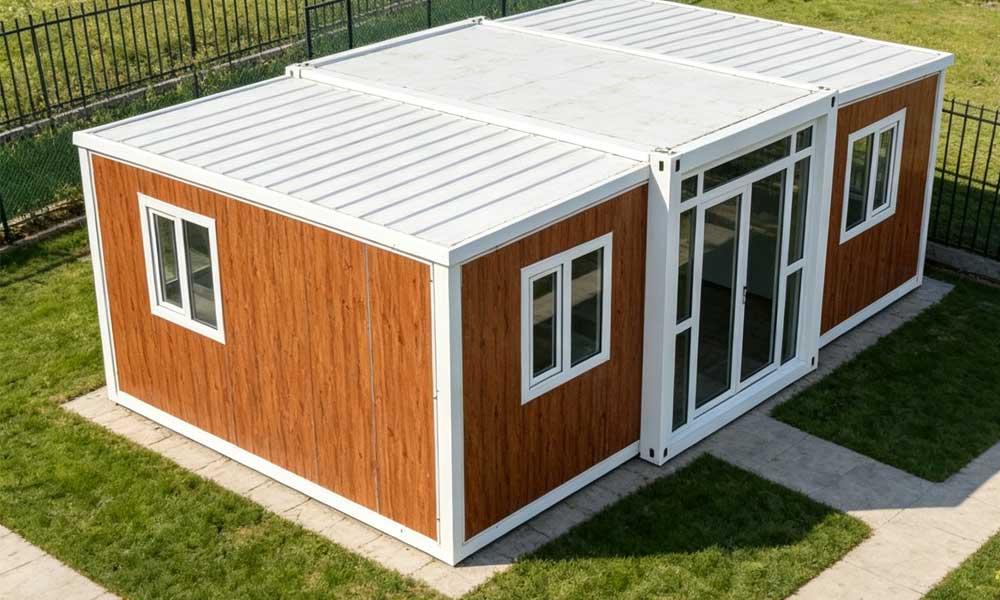
French authorities prioritize structural integrity, energy efficiency, environmental impact, and urban aesthetics. Many international buyers mistakenly assume that "as long as the unit is high quality, it can be installed immediately." However, in France, the approval process hinges on how your structure integrates with the local landscape, historical heritage, and regional energy grids.
This guide breaks down the complex regulatory landscape, ensuring you have a clear roadmap before breaking ground on your French project.
Why France Sets a High Bar
Unlike countries where temporary structures are permitted with minimal oversight, France integrates almost all types of construction into a unified regulatory framework. Whether you are building near a vineyard in Bordeaux or on the outskirts of Lyon, the authorities’ core objective remains the same: "Safety, Energy Efficiency, and Visual Harmony."
Compliance is not just about the house itself; it involves land use, utility connections, and environmental impact. To succeed, you must evaluate the "site" with the same scrutiny as you do the "structure."
Simplified Regulations: Understanding the Three "Filters"
In France, compliance is generally determined by three key regulatory layers:
1. Environmental & Energy Standards (RE2020)
RE2020 is the gold standard for French architecture. It requires buildings to exceed basic energy efficiency, mandating high levels of thermal performance and low carbon emissions.
Buyer Insight: Your unit must be effectively insulated to stay warm in winter and cool in summer. If your product is designed for general export, it may require custom insulation upgrades to meet these specific French climate standards.
2. Urban Planning Code (Code de l'Urbanisme)
This code determines whether a project is permissible. Local authorities evaluate dimensions, height, distance from property lines, and—crucially—whether the structure "disrupts the local cityscape."
Buyer Insight: Even for modular or "mobile" units, if it is intended for long-term placement, it must generally be treated as a permanent structure in the planning application.
3. Construction & Safety Standards
These regulations cover structural stability, fire ratings, and accessibility (including disability access). Requirements for technical documentation scale significantly depending on whether the project is commercial or residential.
Key Decision: When Do You Need a Building Permit?
Not all projects require a complex "Building Permit" (Permis de Construire), but understanding the distinction is vital:
Déclaration PréalablePrior Declaration (): Suitable for minor or non-permanent modifications. This process is generally faster and less rigorous.
Permis de ConstruireBuilding Permit (): Mandatory for most residential developments. This requires a full dossier, including detailed architectural drawings and utility infrastructure plans.
Pro-Tip: If your project is located near historical monuments, coastlines, or protected natural sites, please budget additional time for approval. Authorities in these zones are extremely sensitive to "visual integration."
Regional Nuances: Regulatory "Geopolitics"
Planning enforcement varies across France. As a buyer, you must understand regional preferences:
Toulouse Suburbs: Highly demanding regarding "community integration," with a strong emphasis on uniform architectural styles.
Nantes & Wine Regions: While demand for holiday homes is high, authorities are ecologically sensitive and may even inspect your drainage systems to ensure no micro-pollution affects surrounding vineyards.
Dijon Rural Areas: Space is relatively abundant, but the protection of agricultural land is a strict "red line."
Clermont-Ferrand: If you are adding a workspace to an existing property, the primary focus is on "setback distances"—ensuring the structure leaves sufficient space from property boundaries.
Beyond Stability: Structural & Safety Requirements
Local approval bodies do not lower their standards just because a house is factory-manufactured. You will typically be required to provide professional certification for:
Wind & Snow Loads: If building in mountainous regions, roof structures must be certified to withstand heavy snow accumulation.
Fire Safety: Especially for commercial hospitality projects, documentation of fire-resistant materials is a non-negotiable requirement.
A Real-Life Lesson: The Hengmao Experience
In 2025, we assisted a European client with a boutique holiday cabin project in central France. The client’s initial focus was entirely on "cost-optimized shipping."
It wasn’t until the approval stage that they realized the local authority required technical documentation regarding the "fire safety standards of interior finishes"—a document missing from their initial procurement list. We immediately coordinated with our engineering team to pull production data and material certifications, allowing the client to complete their dossier just in time.
The client’s takeaway: "In France, the time cost of regulatory compliance is often higher than the cost of logistics."
Pitfalls to Avoid
1. "It’s a mobile home, so it doesn’t need a permit": A dangerous misconception. If the unit is used on-site for an extended period, it is treated as a building under the law.
2. "I'll handle the paperwork once it arrives in France": Delaying applications until the units hit the port will lead to exorbitant demurrage fees. If approval is denied, the cost of return shipping is astronomical.
3. "Prioritizing price over technical specs": France's energy standards are exceptionally high. Buying a unit with poor insulation to save money upfront will result in heating and cooling bills that far exceed the initial savings.
Conclusion: Embracing the Future of Modular
Despite the rigorous regulatory environment, modular and expandable housing remain the most effective path toward "rapid opening and low-impact construction" for investors.
At Hengmao Integrated Housing, we possess deep expertise in international markets. We know how to bridge the gap between the efficiency of "Made in China" manufacturing and the stringent requirements of "European Standards." From preparing Structural Verification Portfolios to customizing insulation for specific regional climates, we act not just as a supplier, but as your compliance consultant.
If you are planning your next project in France, don’t rush to place an order yet. Get your hands on our "Structural Compliance & Logistics Assessment Package" first, and let us help ensure your project’s roadmap is clear for success.
Note: This document covers general guidelines. For project-specific requirements, please consult with a local architect (Architecte) or a qualified regulatory consultant.