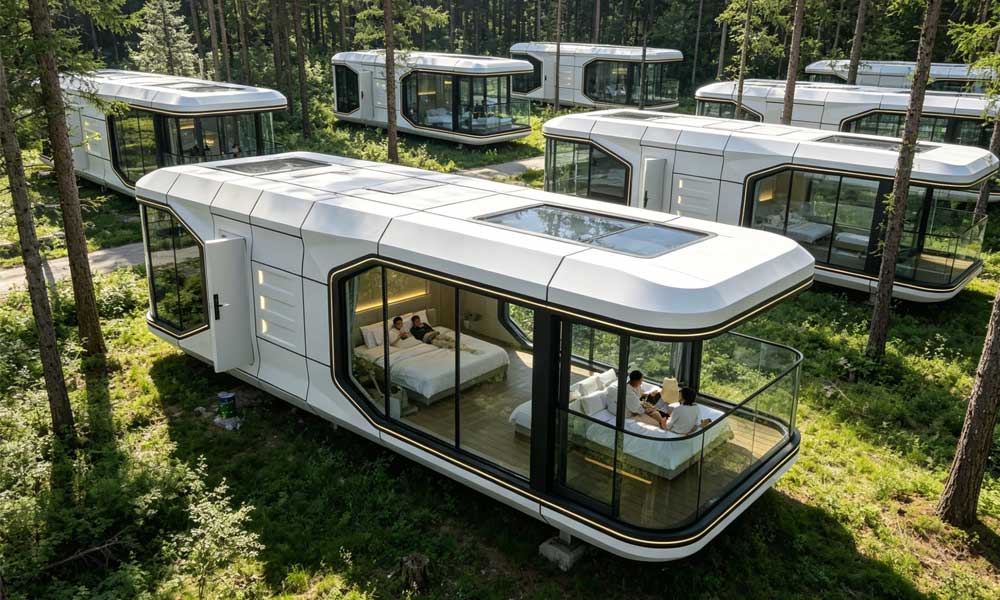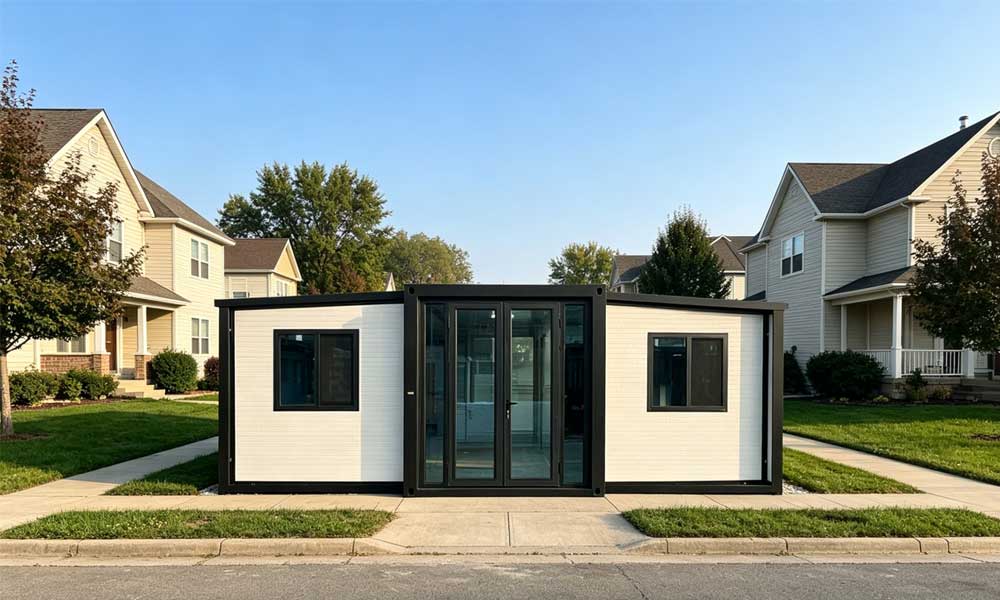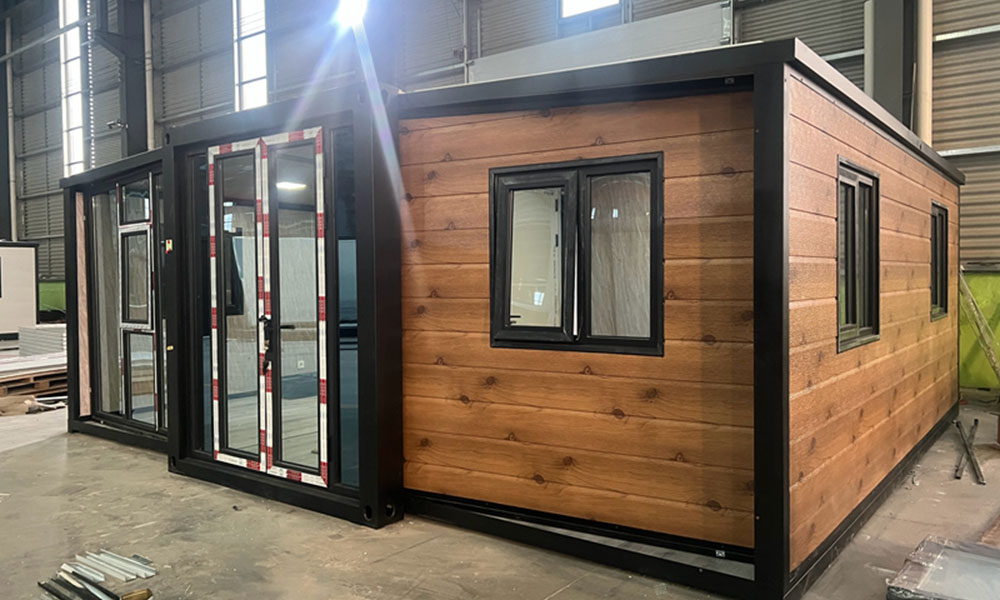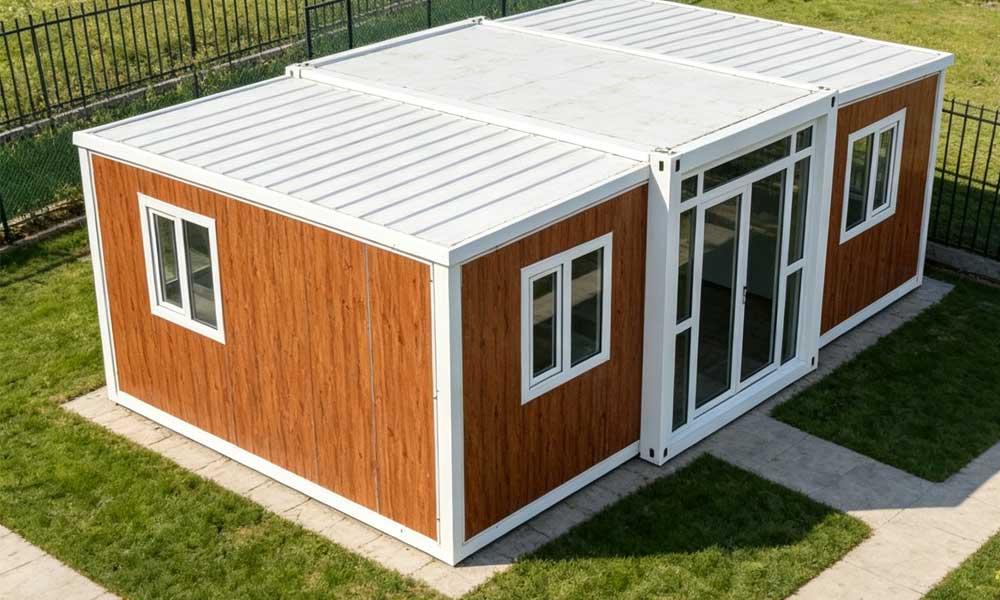


Australian building codes are known for their strictness and completeness, posing core compliance challenges for imported prefabricated buildings. As light steel villas become increasingly popular for local residences, rural housing, tourism accommodation and auxiliary dwellings, most developers and investors focus on one core question: how to make light steel villas fully meet Australian official building code standards and pass local council approval. With rising labor costs and stricter construction supervision, standardized light steel structures have become the preferred compliant solution to replace traditional construction in the Australian market.
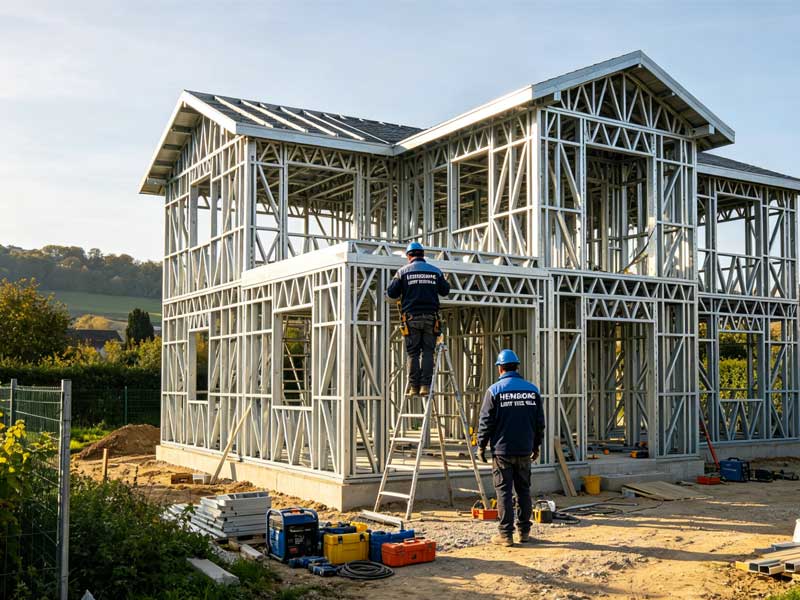
Unlike casual construction regulations in many countries, Australia adopts a complete layered compliance system, with uniform mandatory requirements covering all regions including Hobart, Toowoomba, Ballarat, Bunbury and Geelong. Many overseas buyers worry that customized imported light steel villas cannot adapt to local codes. In fact, light steel villas can fully comply with Australian building standards and obtain legal occupancy qualification, as long as the structural design, engineering calculation, material configuration and complete construction documentation are tailored to local national codes and municipal requirements. Below we elaborate on the systematic compliance methods for light steel villas to meet Australian building regulations in all dimensions.
Australia's Regulatory Framework for Residential Construction
Australia adopts a unique layered residential construction supervision system, rather than a single unified code used in most countries. The core and foundation of all local residential building compliance is the National Construction Code (NCC), which sets unified minimum industry standards for all construction projects nationwide.
The NCC covers comprehensive building assessment dimensions, including structural safety, fire performance, energy efficiency, residential health and amenity, accessibility design, weatherproofing performance, and long-term structural durability. All Australian light gauge steel frame houses must strictly comply with NCC basic regulations, while also meeting supporting Australian Standards. Local councils and professional building certifiers will strictly review project design documents and engineering data based on these standards before issuing official construction and occupancy approvals.
Why Light Steel Construction Is Growing Popular in Australia
Traditional timber construction has long dominated Australia’s residential market, but light steel frame buildings are gaining explosive popularity in recent years, thanks to their unique structural advantages and stronger adaptability to Australia’s complex natural environment.
Termite ResistanceTermite infestation is a persistent and costly problem for Australian residential buildings, especially in northern regions. Areas including Darwin, Rockhampton, Mackay and Townsville face severe termite activity, requiring high-cost long-term anti-termite maintenance for timber houses. In contrast, steel frame structures are completely termite-proof, effectively avoiding subsequent maintenance risks and costs, making them an ideal alternative to traditional timber homes in northern Australia.
Dimensional StabilitySteel materials feature stable physical properties and will not shrink, warp or twist with temperature and humidity changes. This advantage ensures the long-term structural integrity and flatness of light steel villas, avoiding common deformation problems of traditional wooden buildings throughout their service life.
Precision Prefabricated ManufacturingModern Australian light steel villas adopt fully computer-controlled factory prefabrication production. The standardized manufacturing process greatly improves component dimensional accuracy, reduces on-site construction errors, and cuts down construction waste, meeting Australia’s high requirements for green building and refined construction.
Core Australian Standards for Light Steel Villa Construction
The design, production and construction of Australian light steel villas must comply with three core national technical standards, which constitute the key basis for project approval and compliance inspection.
AS/NZS 4600 (Cold-Formed Steel Structures)This is the core standard for light steel structure design in Australia and New Zealand. It specifies unified engineering requirements for structural design, load parameter calculation, component performance indicators and node connection design. Almost all cold-formed steel house frame systems for Australian residential projects are designed and manufactured in strict accordance with AS/NZS 4600 specifications.
AS/NZS 1170 Series (Structural Action Standards)This series of standards regulates various external load factors affecting building structures, including wind loads, live loads, snow loads and seismic loads. Different Australian regions have differentiated design parameters. For example, steel villas in Hobart need to consider snow load resistance, while projects in northern Queensland focus on cyclone and strong wind resistance design.
AS 4055 (Residential Wind Classification Standard)This standard is used to divide Australian residential wind resistance levels. The wind classification of the project site directly determines the structural reinforcement scheme, frame thickness and connection process of light steel villas, which is a key indicator affecting structural safety compliance.
Regional Wind Resistance Compliance Requirements
Australia spans multiple climatic zones, resulting in huge differences in wind resistance design standards between cyclone-prone northern regions and temperate southern regions, which is one of the core difficulties in light steel villa compliance design.
Cyclonic High-Wind RegionsCoastal areas in northern Australia such as Cairns, Port Hedland, Broome and Karratha are frequently hit by tropical cyclones and severe storms. Light steel houses in these areas must adopt cyclone-rated enhanced structural design, with higher frame strength and wind resistance performance than ordinary southern residential buildings.
Temperate Stable RegionsSouthern and central Australian cities including Ballarat, Geelong, Toowoomba and Orange belong to temperate climate zones with relatively low wind levels. Although the design standards are relatively loose, site-specific wind condition assessment and targeted structural optimization are still required to meet official compliance requirements.
Energy Efficiency Compliance Standards
With the continuous update of NCC regulations, energy efficiency has become a rigid assessment indicator for Australian residential building approval. All new residential buildings must reach mandatory minimum energy-saving standards to reduce long-term household energy consumption and operating costs.
To meet Australian energy efficiency codes, light steel villas are usually equipped with high-performance supporting configurations, including multi-layer high-density insulation systems, thermal break technology, sound-insulating and heat-insulating double-glazed windows, upgraded roof insulation and integrated energy-efficient building envelopes. It is worth noting that climate zone differences lead to differentiated configuration requirements. For instance, villas in temperate Geelong require different thermal insulation parameters from tropical Queensland projects.
Bushfire Prevention Compliance (AS 3959 Standard)
A large number of Australian residential and rural tourism projects are located in bushfire-prone areas. The AS 3959 standard formulates systematic construction specifications based on different Bushfire Attack Levels (BAL), which is a mandatory standard for rural light steel villa approval.
Projects near vegetation and wild bush areas need to complete professional BAL assessment, and adopt supporting fire-proof configurations including fire-resistant exterior cladding, ember-proof doors and windows, special fire-resistant glass and protected roof structures. Although light steel frames are non-combustible and have natural fire resistance advantages, overall bushfire compliance depends on the full building system rather than a single steel structure. A typical example is rural light steel homes in Orange, NSW, which must pass strict bushfire risk assessment before obtaining construction approval.
Importance of Site-Specific Custom Engineering
A common misunderstanding of overseas buyers is that a unified light steel villa design can be applied to all Australian projects. In fact, all Australian residential projects require independent site-specific engineering review and customized optimization.
Key factors that determine customized design include regional wind grade, terrain category, soil bearing capacity, seismic risk, bushfire exposure level, snow load demand and climate zone attributes. For example, coastal light steel villas in Bunbury need anti-corrosion and strong wind resistance optimization, while inland Victorian houses focus more on thermal insulation and ordinary structural stability. Australian certification authorities strictly require engineering documents to match the actual site conditions of the project, and generic universal designs cannot pass approval.
Prefabricated Light Steel House Compliance Documentation
Factory prefabrication does not exempt Australian light steel villas from building compliance standards. It only transfers most of the construction work to a standardized factory environment to improve quality controllability. For prefabricated steel structure houses in rural and remote Australia, complete compliance documents are essential for approval.
The complete document package includes structural calculation reports, official engineering construction drawings, detailed material specification sheets, node connection design details, compliance test reports and standardized installation guidelines. Professional suppliers will complete regulatory sorting and document preparation before production, which is the core premise of smooth project approval.
Core Advantages of Light Steel Villas for Australian Developers
In addition to good compliance adaptability, light steel villa systems have multiple practical advantages that solve the pain points of Australia’s construction industry, and are increasingly favored by local developers, investors and builders.
The core advantages include fast construction progress, greatly reduced reliance on scarce local construction labor, high-precision manufacturing quality, natural termite resistance, low construction waste, and stable and controllable product quality. It is suitable for all mainstream scenarios such as ordinary residential development, tourism accommodation construction, farm staff housing and backyard secondary dwellings. Against the backdrop of sustained labor shortages in Australia’s construction industry, factory prefabricated light steel buildings have become a high-efficiency and low-risk alternative to traditional construction.
Conclusion
Light steel villas can fully meet Australian building code standards and smoothly pass local official approval through targeted customized design and standardized engineering configuration. The compliance process covers the whole system, including abiding by NCC national construction code requirements, matching multiple Australian industry standards, adapting regional wind and bushfire grades, reaching mandatory energy efficiency indicators, and completing site-specific engineering optimization.
For Australian developers and property owners, the key to compliant light steel villa projects is to formulate targeted compliance solutions in advance according to project location and site conditions, rather than blindly selecting building products. Customized imported light steel villas adapt to Australia’s unique climate, terrain and regulatory system through professional engineering adjustments, which is the core way to achieve full compliance and long-term stable operation.
Frequently Asked Questions
Q1: Can imported prefabricated light steel villas get approval from Australian local councils?
A1: Yes. Imported light steel villas are completely approvable. As long as the supplier provides site-matched engineering documents, structural calculation reports and compliance certification materials that meet NCC national codes and local municipal regulations, the project can successfully pass official review and obtain construction and occupancy approval.
Q2: Does a non-combustible steel frame fully meet Australian bushfire protection standards?
A2: No. Although light steel structures are non-flammable and have inherent fire resistance advantages, Australian bushfire compliance (AS 3959) evaluates the whole building system. Exterior wall cladding, doors, windows, glass, roof structure and external accessories all need to meet corresponding BAL grade requirements, and cannot rely solely on the steel frame itself.
Q3: Is independent site engineering calculation required for every Australian light steel villa project?
A3: Yes. There is no universal standard design applicable to all Australian regions. Local certifiers and councils require targeted engineering calculation reports and structural optimization schemes according to the project’s wind zone, soil condition, bushfire risk and climate characteristics, making site-specific engineering a mandatory procedure for every project.
Hengmao Light Steel Housing Solutions
Hengmao specializes in customized export-grade light steel villa solutions for the Australian market, serving local developers, construction contractors and real estate investors. We abandon generic universal building packages, and carry out targeted design and production based on the project’s specific location, climate characteristics, structural load requirements and official compliance standards.
Whether it is a rural residential project in Toowoomba, a tourism accommodation villa in Bunbury, a suburban residential development in Geelong, or a coastal customized house in Hobart, we take Australian building code compliance as the core, complete engineering coordination and scheme optimization in advance, and ensure that all products meet local approval and long-term use requirements. As Australian building standards continue to iterate, Hengmao’s professionally customized light steel housing has become a reliable high-quality choice for local modern residential and tourism construction projects.