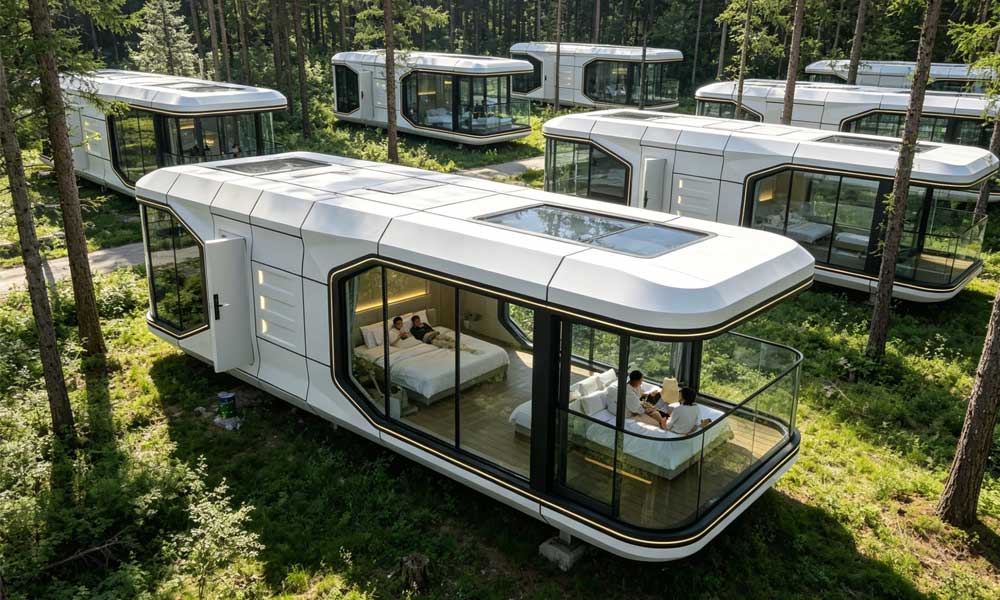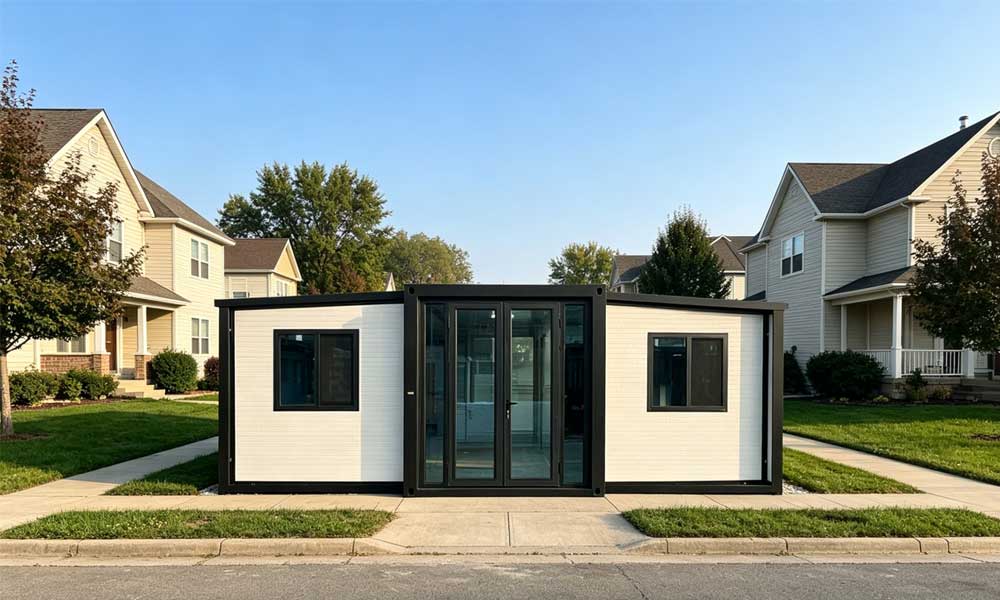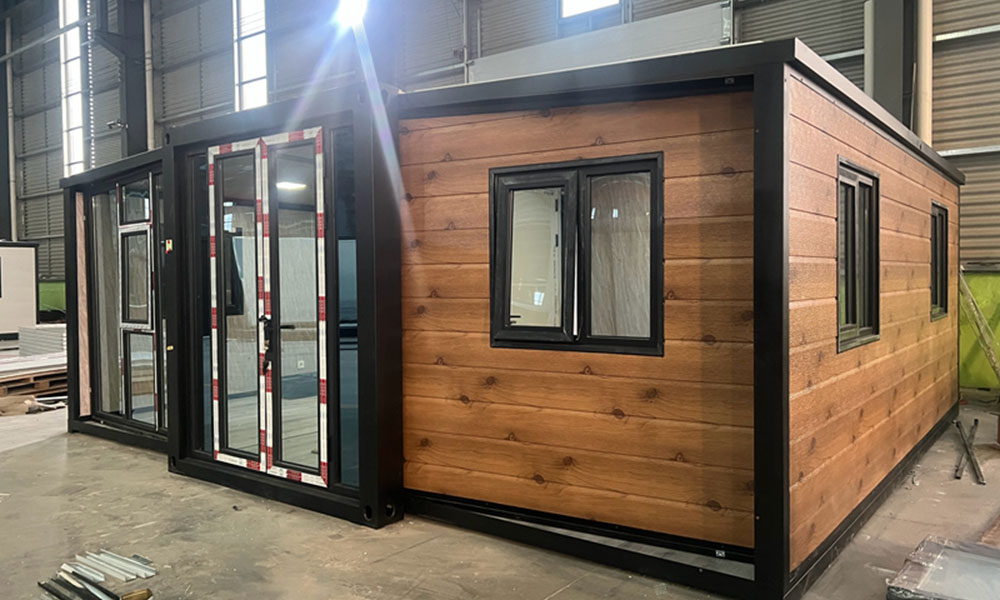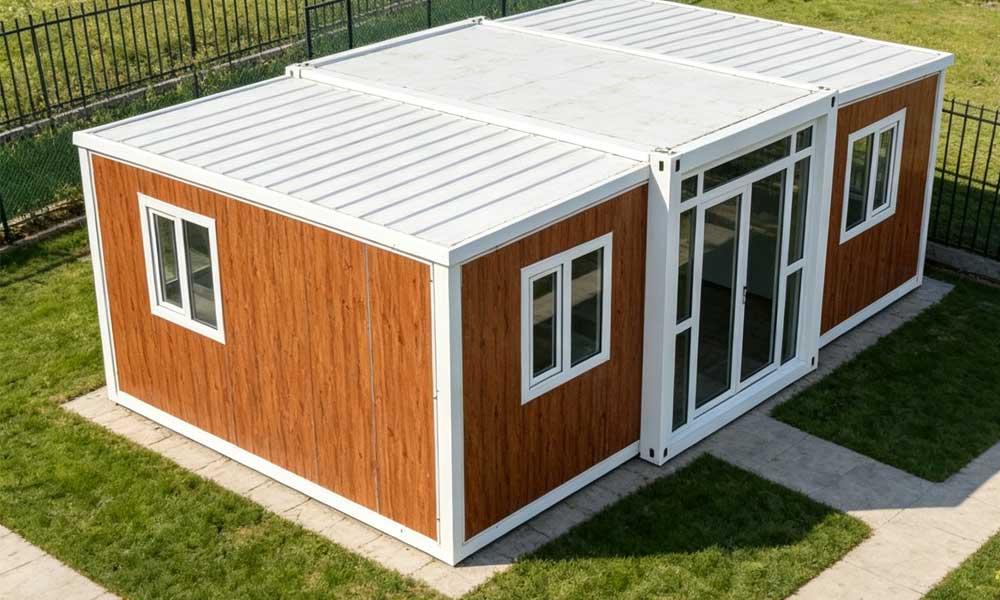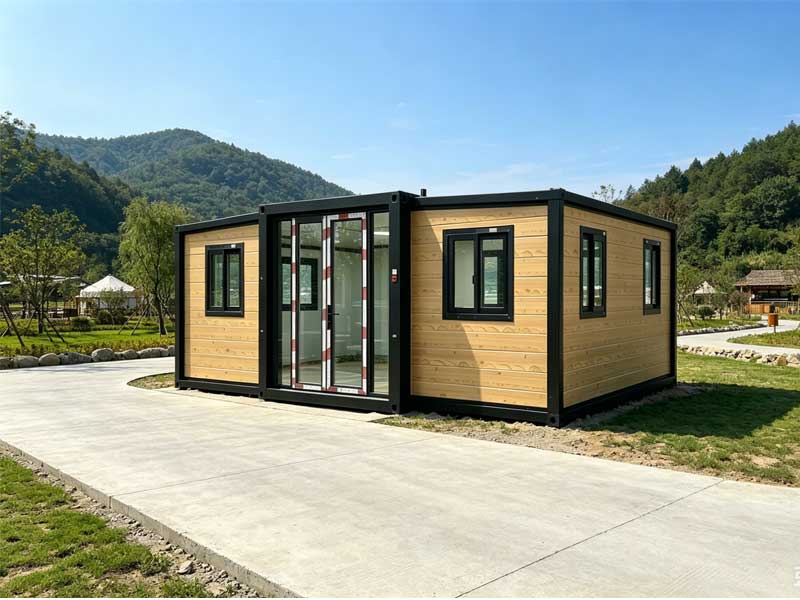


Capsule houses have quickly become a breakout trend in the U.S. hospitality and alternative housing space. More resort operators, tourism developers and private homeowners are ditching traditional bulky buildings for sleek, space-saving capsule units ideal for glamping, eco-resorts, backyard guest spaces and boutique accommodation. But amid the booming market, one critical question stops most projects in the planning phase: are capsule houses legal and permit-approved in the United States?
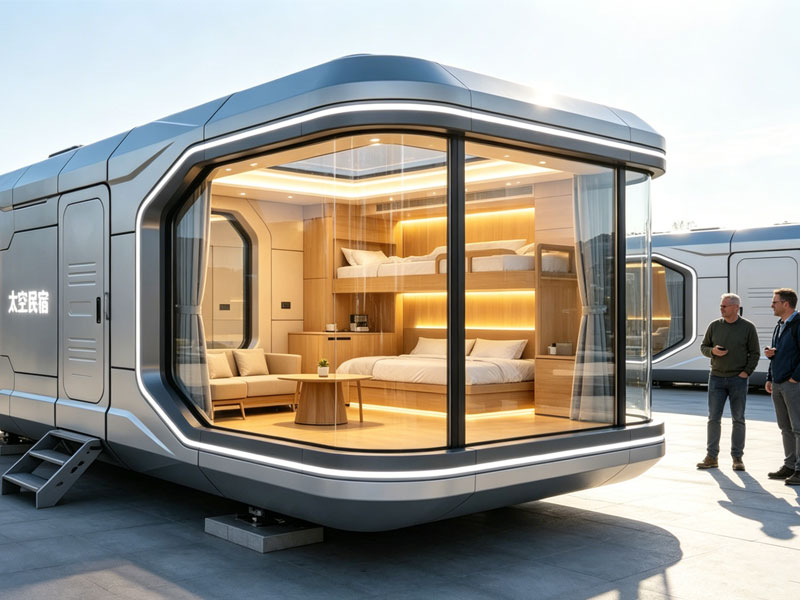
The short answer is yes — capsule homes can absolutely pass official inspection and gain legal occupancy approval in most U.S. regions. That said, approval is never based on the building’s appearance or style alone. Local government departments judge projects by structural compliance, land usage rules, utility matching and regional building codes. Having served countless American clients in the past two years, Hengmao has seen everything from high-end resort capsule projects to private backyard units succeed or fail purely based on pre-production compliance planning. Unlike countries with unified national building policies, the U.S. adopts decentralized local jurisdiction rules, meaning a fully approved capsule house in one county may need targeted modifications to pass inspection in another.
What Is a Capsule House Under U.S. Building Regulations?
A key point most buyers misunderstand: U.S. building codes do not have an independent classification specifically named “capsule house”. There are no targeted exclusive rules for this modular structure. Instead, local certifiers and planning departments classify and review capsule houses according to their actual usage, installation mode and structural attributes.
Core review dimensions include the building’s intended occupancy type, foundation installation form, internal utility connection status, structural engineering design, and whether it is built for temporary or permanent use. Based on these standards, capsule units can be categorized as Accessory Dwelling Units (ADUs), recreational structures, commercial hospitality accommodation, modular residential buildings, or temporary lodging facilities. This flexible classification explains why a luxury resort capsule house in Asheville, North Carolina follows a completely different approval process than a basic glamping capsule unit in Rapid City, South Dakota.
IRC Residential Code: Core Standard for Permanent Living
For all capsule houses used for permanent residential or long-term living purposes, the International Residential Code (IRC) is the primary compliance standard referenced by U.S. states and cities. Most regions adopt the unified IRC framework and add localized amendment rules to adapt to regional climate and construction characteristics.
The IRC covers all core residential inspection items, including structural safety stability, fire protection systems, energy efficiency indicators, mechanical equipment performance, plumbing pipeline standards and electrical system specifications. Any capsule house planned as a long-term living space must meet local IRC requirements to obtain formal permits. For instance, backyard capsule guest suites in Fort Collins, Colorado are mandatory to pass strict IRC residential code review before getting occupancy approval.
Zoning Approval: The First Step of Project Landing
A common mistake for first-time buyers is focusing entirely on the building’s quality and design while ignoring zoning compliance. In fact, zoning review is the threshold for all construction projects — if the land does not allow relevant construction, even a fully code-compliant capsule house cannot be approved.
Local planning departments mainly audit core zoning indicators: legal property usage type, building lot coverage rate, wall setback distance from the boundary, maximum building height, supporting parking quantity and real-time occupancy limits. It is very common for a capsule ADU project in Eugene, Oregon to meet all building code standards yet stall in the approval process due to unqualified zoning indicators. Therefore, confirming local zoning policies before ordering and designing is the most effective way to avoid project losses.
Unique Review Rules for Tourism & Glamping Capsule Projects
Tourism and glamping scenarios are the largest application market for U.S. capsule houses right now. More eco-resorts, scenic campsites, national park supporting accommodations, mountain retreats and boutique hospitality projects choose capsule units to create unique tourist experience. Commercial tourism capsule houses represented by projects in Gatlinburg, Tennessee are positioned as public hospitality facilities, so their review standards are stricter than ordinary residential buildings.
In addition to basic structural safety, commercial tourism projects need additional inspection on maximum occupancy load, standardized emergency exits, full-range fire safety systems and barrier-free accessibility design, as well as supporting site infrastructure matching. It is highly recommended to cooperate with local professional architects and code consultants in the early planning stage to reserve sufficient time for scheme optimization and document preparation.
IBC Commercial Code Compliance for Resort Projects
All capsule houses used for commercial hospitality scenarios need to comply with the International Building Code (IBC), the core standard for U.S. public and commercial buildings. The IBC puts forward higher and more rigorous requirements for public accommodation structures than residential codes.
Key review contents include overall structural wind and snow resistance design, personnel safety protection measures, fire partition isolation settings and standardized emergency egress channels. Taking the luxury glamping capsule projects near Moab, Utah as an example, developers must provide complete engineering calculation documents and compliance certificates to prove that the units meet local commercial building standards before project approval.
Mandatory Fire Safety Requirements
Fire safety is always the top priority in U.S. building permit review, especially for densely occupied capsule accommodation units. No matter for residential or commercial use, capsule houses must be equipped with standardized fire protection facilities and fire-resistant structures.
Universal mandatory configurations include high-sensitivity smoke alarms, carbon monoxide detectors, reserved emergency escape openings and fire-resistant building components. Specific implementation standards will be fine-tuned according to local fire risk levels and regional jurisdiction requirements, with no room for arbitrary reduction of standards.
Structural Engineering & Climate Adaptation Standards
Complete stamped engineering documents are indispensable for almost all U.S. capsule house permit applications. Authorities will conduct targeted structural audits based on local climatic and geological conditions, mainly covering wind load, snow load and seismic resistance indicators.
Wind Load Requirements: Coastal and storm-prone regions enforce higher wind resistance design standards to cope with extreme weather and seasonal storms.
Snow Load Requirements: Mountainous high-altitude areas including Bozeman, Montana, Flagstaff, Arizona and the Lake Tahoe region have strict snow load assessment rules. Resort capsule houses in Bozeman must undergo professional snow accumulation resistance calculation and structural reinforcement to adapt to winter heavy snow weather.
Seismic Resistance Requirements: Western U.S. seismic zones require additional seismic structure optimization and engineering verification to ensure building safety.
Energy Efficiency Code Compliance (IECC)
Energy conservation and emission reduction have become rigid assessment indicators for U.S. construction permits. Most regions follow the International Energy Conservation Code (IECC) to regulate the energy performance of modular buildings such as capsule houses.
The IECC standard covers core indicators including wall and roof insulation grades, heat insulation performance of doors and windows, overall building envelope efficiency and HVAC system energy-saving standards. Regional climate differences lead to obvious standard gaps. For example, four-season operational capsule accommodations in Traverse City, Michigan require far higher insulation parameters than projects in warm southern regions. Energy efficiency design must be completed in the initial design stage, rather than added as a later modification.
Utility & Infrastructure Matching Rules
Structural compliance alone cannot guarantee project approval. Local inspection departments will fully verify the matching degree of supporting infrastructure, which is especially critical for rural and remote scenic capsule projects.
The full set of review items includes standardized electrical system layout, safe water supply pipeline design, sewage and wastewater discharge systems, rainwater recovery and drainage measures, and stable utility access conditions. For remote eco-tourism capsule lodges in Durango, Colorado, sewage treatment and septic system approval are often the key and difficult points of the entire permit process, requiring advance planning and layout.
ADA Accessibility Requirements for Hospitality Projects
Commercial resort and glamping capsule projects need to comply with U.S. ADA accessibility regulations. According to project scale, occupancy type and local policy requirements, developers need to configure barrier-free entrances, accessible toilets and smooth barrier-free passageways.
Accessibility rules involve federal, state and municipal multi-level standards. It is necessary to confirm detailed implementation specifications with local project consultants in advance to avoid approval rejection caused by non-compliant barrier-free design.
Core Reasons for the Rapid Growth of U.S. Capsule House Market
The popularity of capsule houses in the United States is not a temporary trend, but driven by multiple practical industry advantages. First, factory prefabricated construction greatly reduces on-site construction workload, shortening project landing cycle efficiently. Second, the unique and minimalist capsule space can provide travelers with differentiated accommodation experience, precisely matching the current demand for personalized travel.
In addition, capsule units are small and flexible, able to adapt to narrow land spaces where traditional large buildings cannot be built, maximizing land utilization. With the continuous expansion of outdoor tourism and eco-tourism industries in the United States, low-cost, fast-deployed and high-value capsule accommodation has become the preferred solution for more and more tourism developers.
Common Permit Mistakes to Avoid
Most project approval delays and failures stem from several common cognitive errors. Many buyers place orders first and verify zoning later, ignoring the prerequisite of land compliance. Some overlook the supporting utility and infrastructure matching standards, resulting in unusable buildings after completion.
In addition, blindly believing that U.S. construction standards are unified, ignoring the differences between residential and commercial occupancy rules, and delaying engineering document preparation are also typical high-risk mistakes. Sufficient early-stage planning and policy confirmation can save a lot of time and capital costs for the project.
Final Thoughts
To sum up, capsule houses are fully legal and permit-eligible in the U.S. market, yet approval success depends on systematic compliance matching rather than a qualified single building structure. Smooth project landing requires coordinated planning of structural engineering, local zoning rules, energy and fire safety standards, and supporting utility facilities.
Whether it is a high-end resort capsule unit in Gatlinburg, a private backyard guest capsule in Fort Collins, or a glamping accommodation in Rapid City, full understanding of local 2026 building codes and permit rules in advance is the core of project success. As the alternative accommodation market continues to expand, professionally engineered and fully compliant capsule houses have become a reliable and high-value choice for American developers, resort operators and property owners.
Frequently Asked Questions
Q1: Can capsule houses be used inside national park tourism zones?
A1: It is possible in eligible scenarios. The final approval result depends on land ownership attributes, local environmental protection regulations, scenic area zoning restrictions and detailed municipal permit requirements. Protected ecological and tourism zones usually require additional special review procedures.
Q2: Do luxury capsule houses require ADA accessibility compliance?
A2: Most commercial hospitality capsule projects need to meet ADA accessibility standards. The specific requirements are determined by project scale, occupancy type and local policy rules. It is necessary to consult local planning departments and professional consultants during the design stage.
Q3: Can a capsule house be relocated after installation?
A3: Most standard capsule house models support integral relocation. However, cross-region or cross-city relocation cannot inherit the original approval qualifications. New site zoning verification, engineering review and utility permit procedures are required for re-installation.
Hengmao Capsule House Solutions
Hengmao focuses on the R&D, customization and export of U.S. standard compliant capsule houses, providing one-stop modular accommodation solutions for global tourism developers, resort operators and hospitality investors. Our products are widely applicable to high-end resort capsule suites, eco-tourism lodging units, glamping capsule villages and scenic area supporting guest rooms.
Before formal production, our team will conduct targeted evaluation combining the project’s specific location, local climate characteristics, transportation conditions and 2026 latest U.S. building permit standards. We optimize the unit design, engineering parameters and supporting configurations in advance to ensure full compliance with local review requirements. As the U.S. personalized tourism accommodation market continues to grow, Hengmao’s professionally engineered capsule houses are helping more clients create high-efficiency, high-compliance and high-return modern hospitality projects.