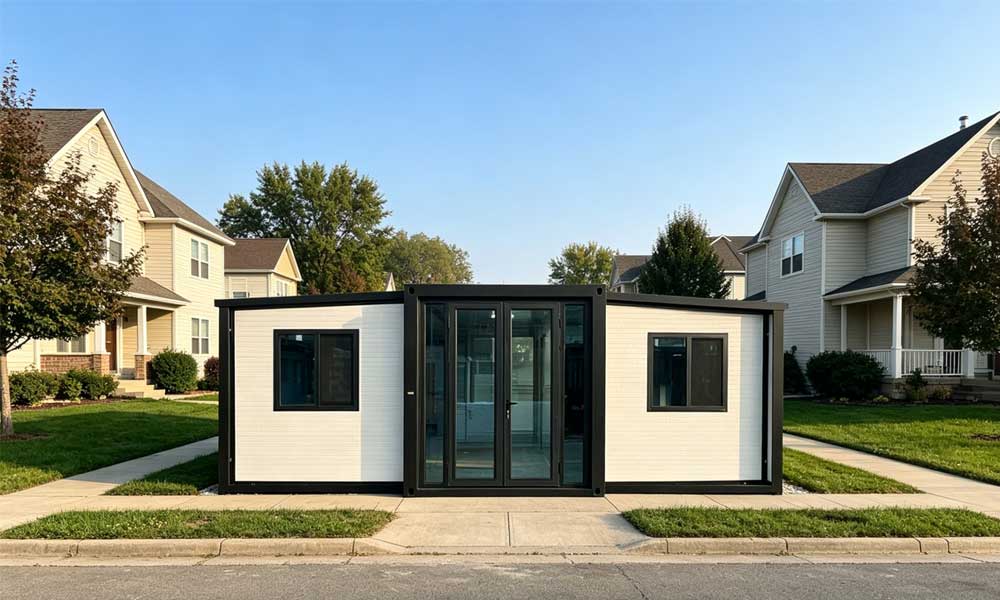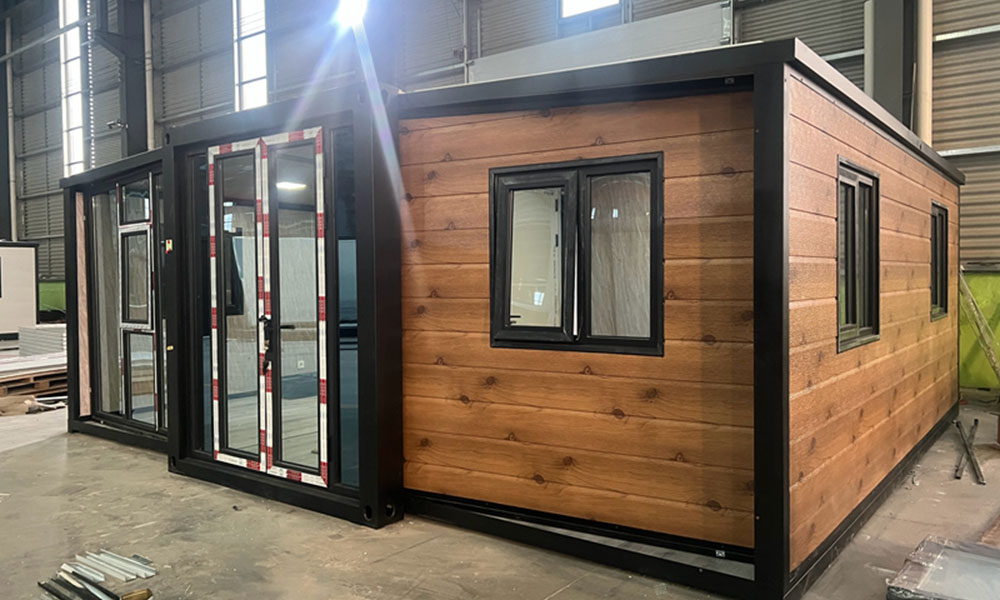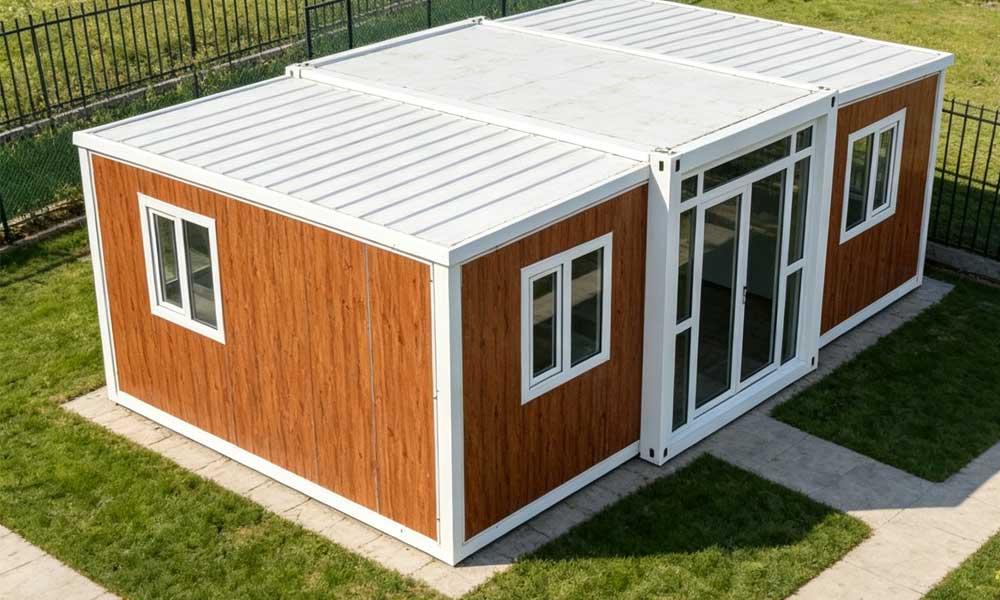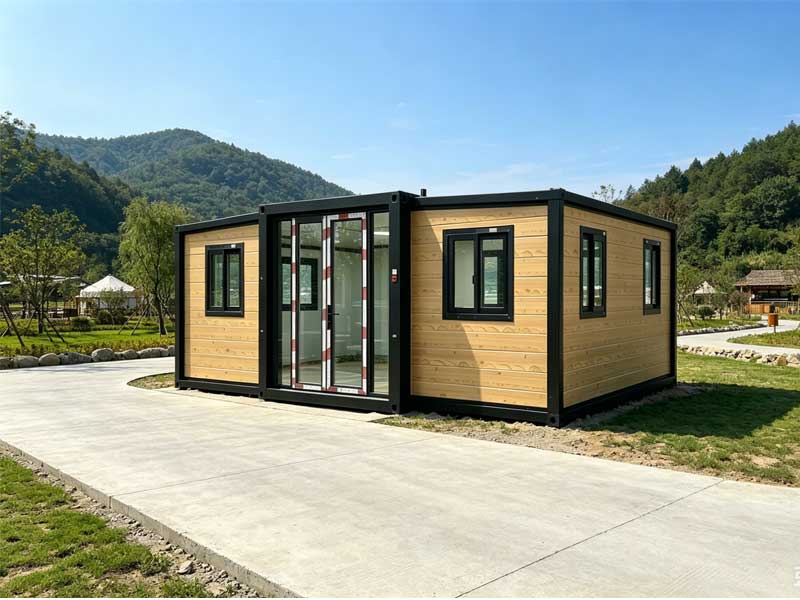


Mountain resort tourism is undergoing a structural transformation driven by modular construction technology, sustainability requirements, and rising demand for immersive nature-based accommodation.
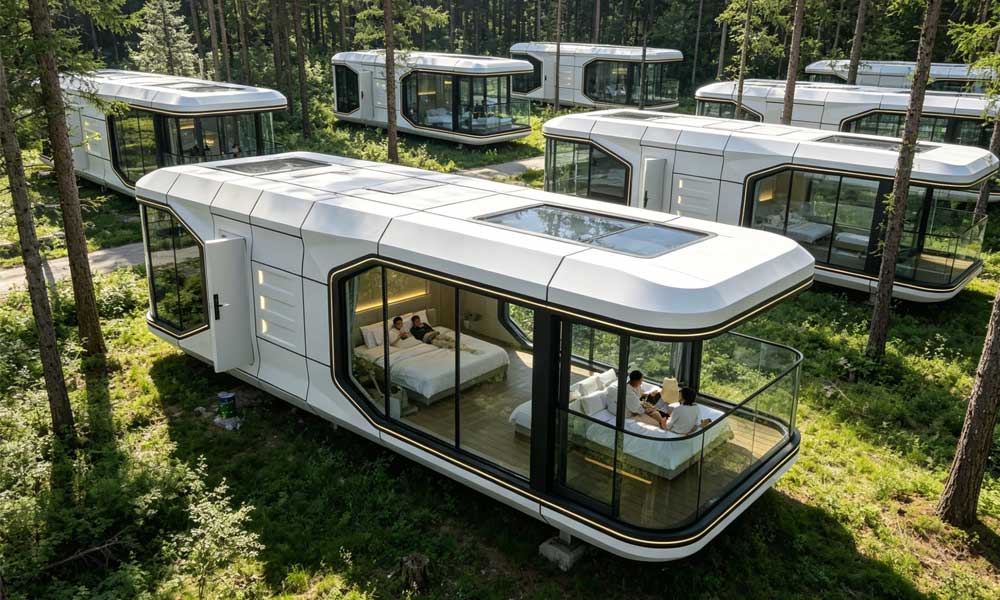
At the center of this transformation is the rapid adoption of modular high-altitude capsule systems, referred to in industry engineering contexts as the Mountain Resort Capsule House.
In premium alpine tourism regions such as Switzerland (Zermatt alpine corridor), Japan (Nagano and Hokkaido mountain resorts), New Zealand (Queenstown alpine tourism belt), and Norway (Lofoten mountain coastal zones), capsule-based hospitality units are increasingly replacing traditional wooden cabins and fixed lodge structures.
This shift is not purely architectural—it represents a transition from static mountain construction to deployable tourism infrastructure systems.
Why Mountain Resorts Are Adopting Capsule-Based Systems
Traditional mountain resort development faces multiple inherent constraints. It is limited by difficult terrain construction conditions, high cross-region logistics costs, seasonal road accessibility restrictions and lengthy on-site construction cycles.
In contrast, modular capsule systems adopt a full prefabrication and rapid on-site installation model. They support efficient deployment in remote high-altitude areas with minimal ground destruction and ecological disturbance.
Common industry application forms include alpine eco capsule cabins, mountain view modular lodging pods, and high-altitude prefabricated tourism units.
This product attribute makes capsule systems highly suitable for mountain regions with fragile ecological environments and strict construction supervision regulations.
Switzerland – Zermatt Alpine Region
The region implements strict environmental protection regulations that restrict large-scale construction expansion. The market maintains strong demand for high-quality luxury alpine immersive accommodation units with low ecological impact.
Japan – Hokkaido & Nagano Mountain Zones
Driven by seasonal ski tourism, local accommodation facilities need strong extreme winter climate adaptability. The tourism market features obvious peak and off-peak occupancy fluctuation characteristics.
New Zealand – Queenstown Alpine Corridor
Local eco-tourism investment continues to grow rapidly. Complex remote mountain terrain brings accessibility challenges, creating strong market demand for flexible modular scenic accommodation facilities.
Norway – Lofoten Mountain-Coastal Region
The unique mountain-coastal overlapping environment brings composite climate stress. Aurora tourism drives obvious seasonal passenger flow spikes, and remote scenic spots put forward high requirements for off-grid energy independence.
Product Evolution: From Mountain Cabins to Modular Capsule Systems
Mountain tourism accommodation has completed three important iterative development phases.
Phase 1: Traditional mountain cabins
Early wooden structure cabins feature simple construction, but they have prominent pain points including high daily maintenance costs and extremely slow on-site construction progress.
Phase 2: Prefabricated lodges
Slightly upgraded prefabricated wooden lodges improve basic living comfort. However, they still belong to fixed buildings with no flexible relocation capability.
Phase 3: Modular capsule systems
New-generation mountain capsule products adopt integrated factory production. They support ultra-fast on-site deployment, large-scale scalable construction and flexible asset relocation, forming standardized modern tourism infrastructure.
Modern high-altitude capsule systems are equipped with professional thermal insulation multi-layer shells, high-strength wind-resistant structural frames, immersive panoramic viewing modules and optional independent solar energy integration systems.
Engineering Advantages in High-Altitude Environments
Modular capsule systems are professionally customized and designed for harsh high-altitude mountain environments, with multiple core engineering advantages.
Key technical configurations include professional wind load reinforcement systems, scientific snow pressure dispersion structures, multi-layer thermal insulation optimization layers and flexible modular foundation adaptive structures.
Field deployment verification shows targeted environmental calibration is required in different regions.
In Swiss alpine zones, new installations need roof load distribution structure reinforcement to cope with long-term heavy snow accumulation in winter.
In Norway Lofoten coastal mountain areas, frequent strong storms require real-time recalibration of building anchoring systems.
All these targeted adjustments belong to conventional engineering calibration processes for modular products, rather than structural quality failures.
Tourism Revenue Model Transformation
The application of mountain capsule resorts has reshaped the traditional single revenue model of mountain tourism and formed a diversified hybrid revenue system.
Premium scenic accommodation income
Relying on unique panoramic view design and high-end supporting configurations, the units support high-value nightly rental pricing in core alpine scenic areas.
Seasonal occupancy optimization
Match ski seasons, aurora viewing seasons and other tourist peaks to implement dynamic pricing strategies and maximize seasonal revenue.
Experience-based tourism packages
Integrate with local hiking, ski-in ski-out, aurora viewing and other characteristic tourism projects to launch bundled experience products and increase comprehensive revenue.
Modular expansion revenue
Flexibly increase the number of capsule units according to seasonal tourism demand growth to achieve incremental revenue growth.
Real Manufacturer Case: Hanliang Global Alpine Deployment
Zhongshan Hanliang Integrated Housing Technology Co., Ltd. has completed batch export and deployment of customized mountain capsule systems in multiple global high-end alpine tourism markets.
Covered projects include Switzerland Zermatt alpine resort expansion, Japan Hokkaido ski tourism capsule cabins, New Zealand Queenstown mountain eco-lodges and Norway Lofoten aurora tourism dedicated units.
Case Observation: Switzerland
The customized high-altitude insulation structure maintains stable performance in alpine environments. Auxiliary snow load structural reinforcement is required to cope with winter tourism peak seasons.
Case Observation: Japan
The occupancy rate of capsule cabins in ski resort zones exceeds market expectations. Products need targeted structural adaptation and upgrading for local deep snow coverage environments.
Case Observation: New Zealand
Modular deployment effectively solves the accessibility problem of remote mountain scenic spots. Slight on-site foundation leveling and adjustment are required according to complex terrain conditions.
Case Observation: Norway
The wind-resistant structure needs iterative upgrading after extreme storm tests. Hybrid solar energy integration successfully realizes stable off-grid energy independence in remote scenic areas.
Three Key Long-Tail Market Drivers
The rapid expansion of global mountain capsule tourism systems is driven by three core long-term industry driving factors.
The continuous expansion of high-end alpine luxury tourism drives the iterative upgrading of high-altitude eco capsule resort systems.
Growing market demand for remote mountain scenic spot accommodation promotes the popularization of prefabricated mountain tourism capsule cabins.
Global sustainable tourism and ecological protection policies encourage the application of low-impact modular mountain housing systems.
These three dimensions jointly form the structural foundation for the large-scale global adoption of mountain capsule systems.
Engineering Reality: Limitations in Mountain Deployment
Although modular capsule systems have comprehensive advantages in mountain tourism scenarios, there are still objective deployment constraints in actual operation.
Common limitations include unstable terrain foundation on steep slopes, difficult long-distance transportation in remote mountainous areas, aging failure of sealing systems under extreme weather erosion, and seasonal road accessibility restrictions.
In Norwegian mountain tourism zones, for example, the superposition of heavy snow and strong wind requires continuous reinforcement of building anchoring systems to ensure long-term operational stability.
These difficulties are normal predictable engineering challenges in the application of alpine modular systems.
Why This Industry Is Growing Rapidly
From the overall industry perspective, the explosive growth of the mountain capsule hospitality industry has clear market logic.
Modern tourists’ increasing demand for immersive experiential travel continuously drives the upgrading of mountain accommodation formats.
Traditional mountain construction costs continue to rise due to complex terrain and high logistics expenses.
Ecological protection policies in mountain protected areas strictly restrict traditional large-scale construction.
Tourism operators have urgent demand for fast-deployable, low-cost and scalable tourism infrastructure.
Modular capsule systems perfectly balance ecological protection requirements and commercial operation viability, becoming the optimal solution for modern mountain resort upgrading.
Conclusion
Luxury capsule systems are fundamentally transforming mountain resort tourism by enabling fast, scalable, and environmentally adaptive hospitality infrastructure in high-altitude regions.
Real-world deployment experience in Switzerland, Japan, New Zealand, Norway and other regions fully verifies that modular capsule systems are far superior to traditional mountain cabins in deployment speed, scalable capacity and operational flexibility.
Nevertheless, the stable operation and commercial success of mountain capsule projects rely on targeted engineering adaptation for extreme alpine environments and scientific terrain-specific deployment strategies.
Frequently Asked Questions (FAQ)
Q1: Why are capsule houses suitable for mountain tourism?
Because they are lightweight, fast to install, and can be engineered for extreme weather and high-altitude conditions.
Q2: What is the biggest advantage over traditional mountain cabins?
The ability to deploy quickly in remote areas without heavy construction logistics or long building cycles.
Q3: Are mountain capsule systems environmentally friendly?
Yes, they typically have lower environmental impact due to prefabrication, reduced on-site disturbance, and modular deployment methods.