

A few years ago, the glamping market was obsessed with one thing: shaving every possible dollar off construction costs. Today, the conversation has shifted entirely. Savvy investors are no longer asking, "What is the cheapest cabin I can buy?" Instead, they are asking: "Which unit generates the most revenue per square meter?"
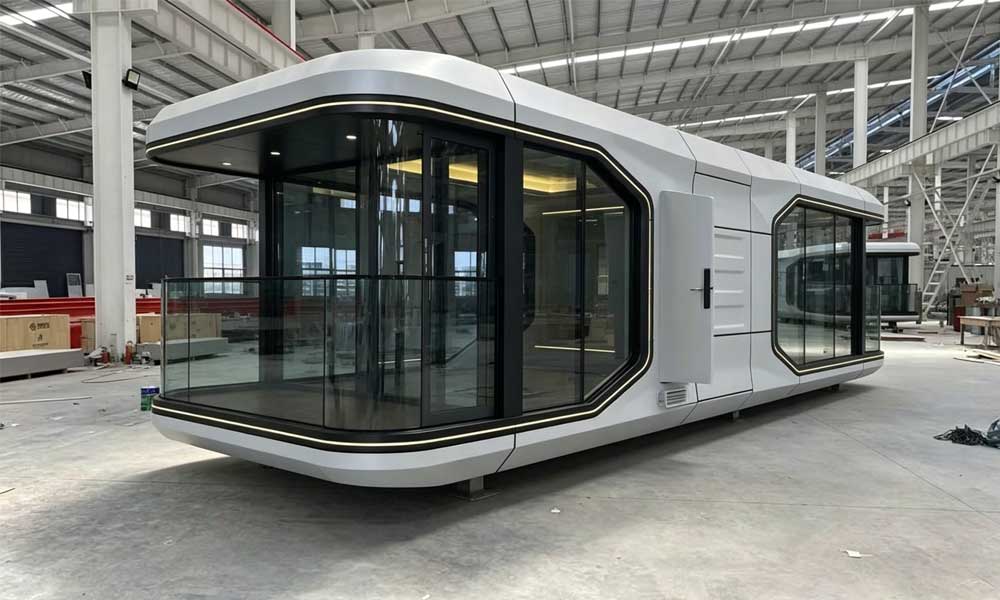
This fundamental shift explains why futuristic capsule-style units are dominating outdoor hospitality. While traditional tiny cabins remain a reliable staple, modern resort operators are looking deeper—analyzing guest behavior, social media "shareability," and long-term yield. The truth? A low purchase price is often a trap that ignores the hidden costs of low occupancy.
Why Today’s Travelers Choose Experiences Over Just "Rooms"
Ten years ago, travelers booked based on location. If a cabin was near a lake or mountain, the job was done. Today, the building itself is the destination. Thanks to social media, a unique, aesthetically striking unit acts as a marketing magnet.
We’ve seen firsthand how “content-friendly” architecture changes the game. While a traditional wooden cabin offers comfort, a luxury capsule creates a sense of wonder. For younger travelers and urban professionals, the goal isn't just to sleep; it’s to live inside a piece of modern art that looks incredible on a feed. This curiosity translates directly into premium nightly rates.
The Math: Occupancy Beats Low Costs Every Time
When we consult with developers, they often worry about the initial cost of a capsule unit. But consider this: A standard cabin might be cheaper to build, but if it sits at 45% occupancy, it’s just overhead. A premium capsule might cost more, but if its "wow factor" pushes occupancy to 75% or higher, the Return on Investment (ROI) is significantly faster.
People book standard cabins when they need a bed. They book capsule units because they want a memory. That emotional hook is what fills rooms during the off-season.
Real-World Appeal: From Rovaniemi to Queenstown
We are seeing this play out globally. Whether it’s a stargazing suite in Finland or a cliff-side retreat in South Africa, travelers are gravitating toward units that prioritize views, privacy, and seamless design.
A unit that feels "futuristic" provides a story. When guests share their stay online, they are essentially providing free, high-trust marketing that traditional cabin listings struggle to replicate. The most profitable project is rarely the cheapest to build; it’s the one that converts lookers into bookers.
The Future: Why Differentiation is Your Best Strategy
The next generation of hospitality is moving toward "experience-first" design. Does this mean the traditional cabin is dying? Not at all. For family-oriented campgrounds, the "homey" feel of a wood cabin is still unbeatable. However, for investors entering competitive tourist markets, the capsule model offers a distinct edge: the ability to charge for the experience rather than just the square footage.
At Hengmao, we don't just sell units; we help developers craft concepts that stand out. We know that in a world of standardized lodging, the most profitable space is the one guests can’t stop talking about.
FAQ
Q1: How do I know if a capsule unit or a tiny cabin fits my specific location better?
A: Consider your guest profile. If your property targets families looking for long-term stays, the familiar, cozy structure of a tiny cabin is usually more effective. If you are targeting short-stay weekenders, influencers, or couples on romantic getaways, the high-design, "experience-focused" capsule unit will almost always yield a higher nightly rate and better visibility.
Q2: Does a high-end capsule unit require more maintenance than a traditional cabin?
A: Modern capsule units are designed for durability and low maintenance. Unlike wood cabins that require periodic exterior staining and roof repairs, high-quality capsule shells use advanced materials that are resistant to weathering and UV damage. This actually reduces your "total cost of ownership" over a 5-10 year period.
Q3: How do I measure the "marketing ROI" of choosing a capsule over a standard cabin?
A: Look at your Cost Per Acquisition (CPA). A highly aesthetic unit creates organic social media exposure, meaning your past guests effectively become your marketing team. If you find that your capsule units receive more inquiries and bookings without additional advertising spend compared to your traditional units, the "marketing ROI" is already working in your favor.