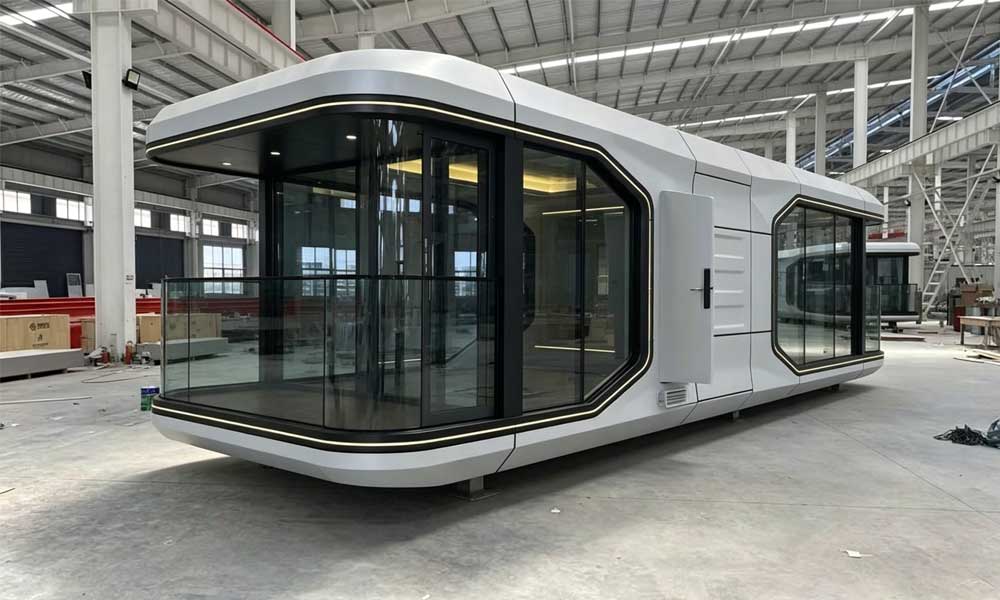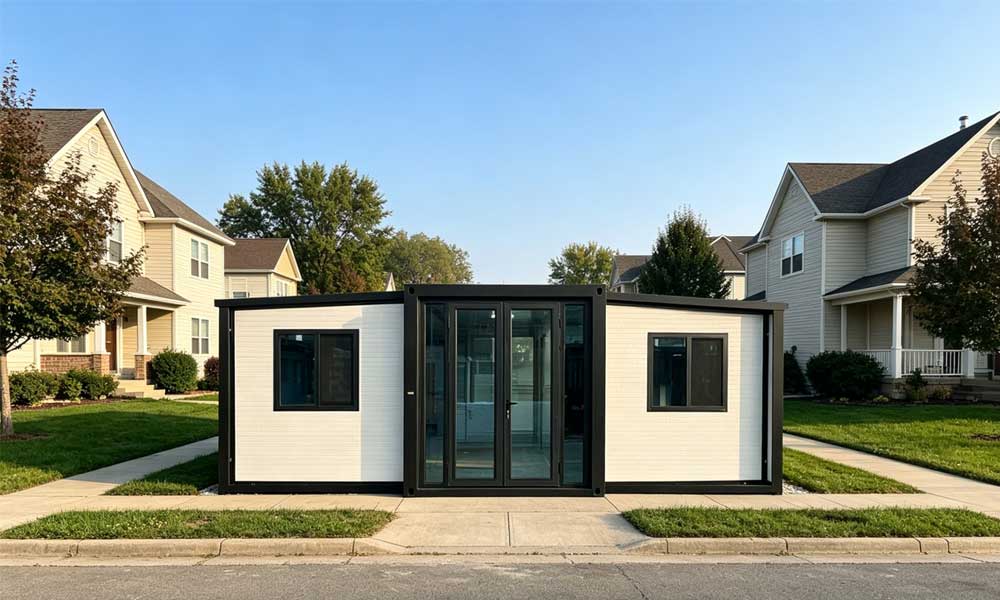


In 2026, space capsule houses have evolved from a trendy design into mature commercial modular assets. Fueled by booming glamping, eco-resort and experiential tourism development, these futuristic pods are widely adopted by global property developers. Standard 28–38㎡ space capsule houses carry a FOB factory price of $18,000–$42,000 USD, with final costs determined by structural materials, weather-resistant insulation, smart home systems and regional building compliance. Though pricier than regular container conversions, capsule houses deliver far faster deployment, minimal site work and immediate rental revenue. This makes premium insulated capsule modules a high-ROI solution for modern resort and modular construction projects.
The Architecture and Engineering Behind the Pricing
Space capsule house pricing is largely defined by its premium structural engineering. Unlike traditional timber or light-steel tiny homes, high-end capsules adopt aviation-grade aluminum or galvanized steel integrated frames. Fluorocarbon-coated aluminum exterior panels deliver excellent UV, oxidation and acid rain resistance, supporting up to 30 years of maintenance-free use in tropical Bali and coastal Mallorca climates. High-density polyurethane insulation fills wall cavities to form a continuous thermal barrier, reducing thermal bridging and long-term air-conditioning and heating energy consumption.
Commercial Comparison: Specifications and Market Cost Index
The table below outlines three mainstream 2026 space capsule house price tiers, covering specifications, sizes, materials, target markets and applicable scenarios for accurate project budgeting:
Model Tier | Average FOB Price (USD) | Size Range (m^2) | Key Structural Material | Target Regional Markets | Best Suited For |
|---|---|---|---|---|---|
Entry-Level Compact | $15,000 - $22,000 | 18 - 24 | Standard Aluminum Alloy + 50mm PU | Chiang Mai, Rural New Zealand | Minimalist retreats, home offices, pop-up cabins |
Mid-Range Luxury | $24,000 - $34,000 | 28 - 35 | Marine-Grade Alloy + 75mm PU | Austin (TX), Adelaide, Gold Coast | Glamping resorts, high-turnover hospitality units |
Premium Wide-Body / Double-Expansion | $36,000 - $55,000+ | 38 - 45+ | Reinforced Steel Framework + 100mm Rockwool | Whistler, Swiss Alps, Munich | VIP hotel suites, extreme-weather alpine luxury villas |
Understanding the Price Tiers of Space Capsule Houses
2026 global space capsule house markets fall into three clear price tiers, each engineered for distinct residential, commercial and environmental scenarios:
Entry-Level Compact Pods ($15,000 - $22,000): Measuring 5.8–6.5m long with a 20ft container transport footprint, these lightweight aluminum alloy pods suit home offices, backyard studios and simple lakeside retreats. They feature basic manual shading systems and standard interior fixtures for cost-effective light-duty use.
Mid-Range Luxury Pods ($24,000 - $34,000): The most popular option for commercial glamping resorts, these 8.5–10m units balance luxury and affordability. Equipped with curved aviation glass, multi-zone climate control, smart central control (voice lighting, auto curtains, biometric locks) and marine-grade anti-corrosion exteriors, they withstand daily high-traffic commercial operation and harsh outdoor conditions.
Premium Double-Expansions & VIP Suites ($36,000 - $55,000+): Up to 11.5m long with slide-out expansion structures, these top-tier pods function as full luxury villas and VIP resort suites. Built with reinforced steel frames, high-performance thermal insulation, 4K projection entertainment, stone countertops and smart switchable glass bathrooms, they support extreme alpine weather and high-end resort hospitality scenarios.
International Shipping, Customs, and Complex Logistics Costs
Buyers must evaluate more than EXW/FOB factory prices when budgeting capsule house projects. Fully pre-assembled space capsules cannot be folded or compressed to protect integrated smart systems and waterproof layers. Each unit occupies a full 40ft HC container or requires RoRo/breakbulk oversized shipping, bringing fixed regional logistics costs.
2026 ocean freight varies significantly by route. Shipping to European ports (Rotterdam, Hamburg) costs $4,000–$6,500 per unit, North American west coast routes cost $3,500–$5,000, and Australia/New Zealand routes range from $2,500–$4,000. Additional expenses include import duties (0–15%), port fees, brokerage charges and local trucking. Remote mountain or urban sites require special permits and escort vehicles. On-site crane rental fees add a further $3,000–$7,000 contingency cost per unit.
Supply Chain Compliance and Factory Customization Costs
Regional building code compliance is a key factor affecting final project costs. Professional manufacturers like Hanleon Regie complete market-specific structural and electrical upgrades during production. This avoids costly on-site retrofits and port customs rejection risks for global export projects.
European-bound units adopt certified insulation to meet strict U-value energy standards. North American projects require UL-certified electrical systems, while Australian and New Zealand versions use SAA-approved electrical components. All plumbing systems adopt WaterMark (Australia) or UPC (North America) certifications, ensuring seamless municipal water and sewage connection without local inspection delays or penalties.
Return on Investment and Commercial Viability Analysis
Prefabricated space capsule hotel price delivers overwhelming cost and speed advantages over traditional construction. In high-labor regions like Europe, Canada and the UK, conventional boutique hotel rooms cost $120,000–$180,000 per unit and require 12–18 months of on-site building, permitting and weather delays.
Commercial modular cabin investment drastically shortens project cycles. Capsule houses arrive fully finished with floors, cabinets, bathrooms and lighting pre-installed. While factories manufacture units in 30 days, local teams can complete foundation work on resort sites in Costa Rica, Switzerland or South Africa. On-site installation, utility connection and commissioning take under six hours. Operators can launch guest rooms up to one year earlier for faster ROI. Reliable luxury mobile capsule home manufacturers guarantee long-term structural stability, preserving asset value for repeated commercial guest use.
Space Capsule House FAQ
What specific factors dictate the variance in a prefabricated space capsule hotel price for eco-resort projects?
Key price variables include alloy grade, shell thickness and professional insulation packages. Alpine projects require 100mm rockwool or high-density PU insulation for freezing temperatures. Coastal units with marine-grade anti-corrosion coatings for high-salinity environments cost 15–20% more than standard inland models.
What is the average commercial modular cabin investment cost regarding site preparation and utility integration?
Excluding freight and customs, standard on-site preparation costs $1,500–$4,500 per pod. This covers screw pile or concrete pier foundation installation, site leveling and pre-routed external utility connections, with no complex internal on-site construction required.
How do I verify if a luxury mobile capsule home manufacturer complies with local US or Australian building codes?
Verify manufacturer compliance via official certification documents: SAA electrical certification for Oceania markets and UL certification for North America. Confirm WaterMark/UPC plumbing standards and certified structural wind/seismic load ratings to match local building codes.