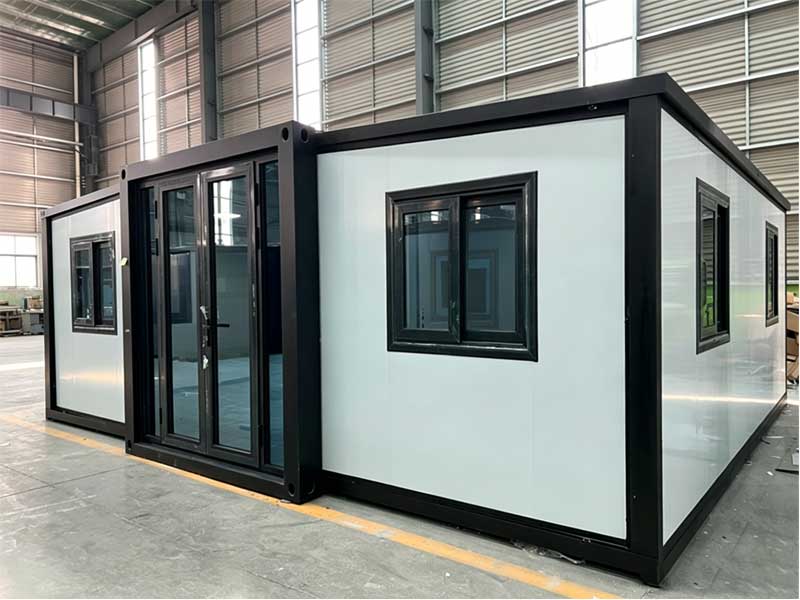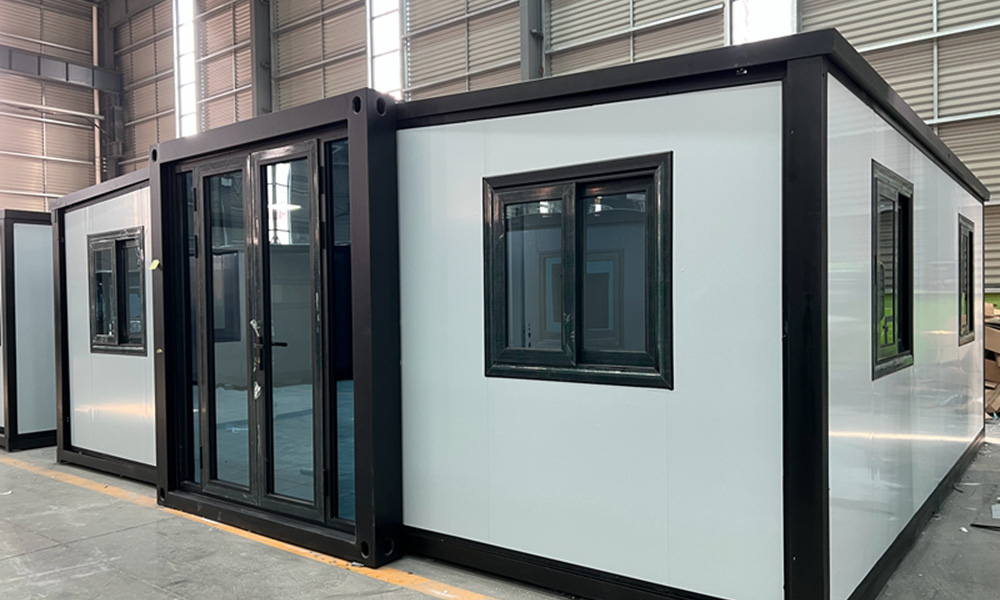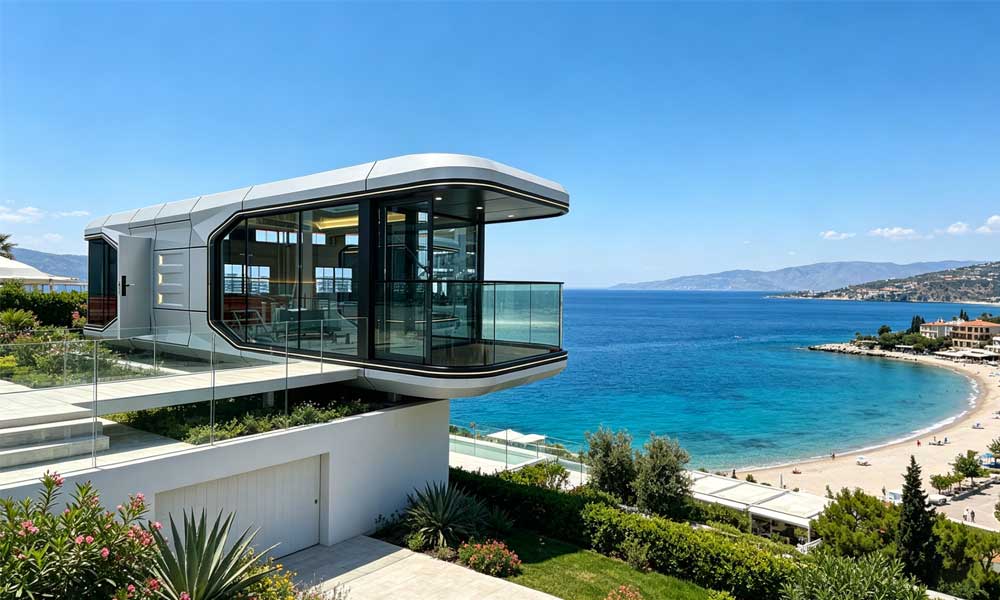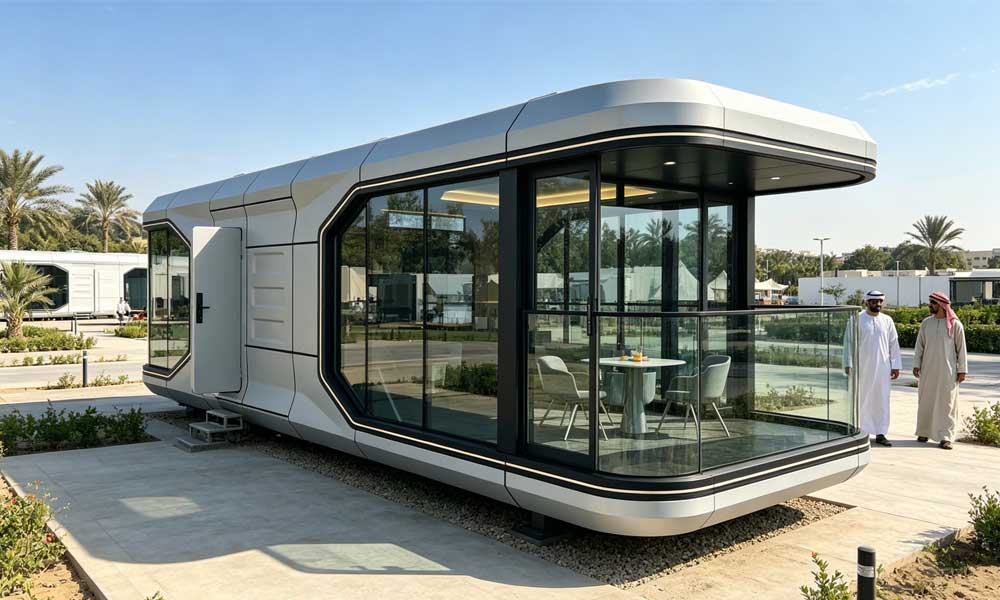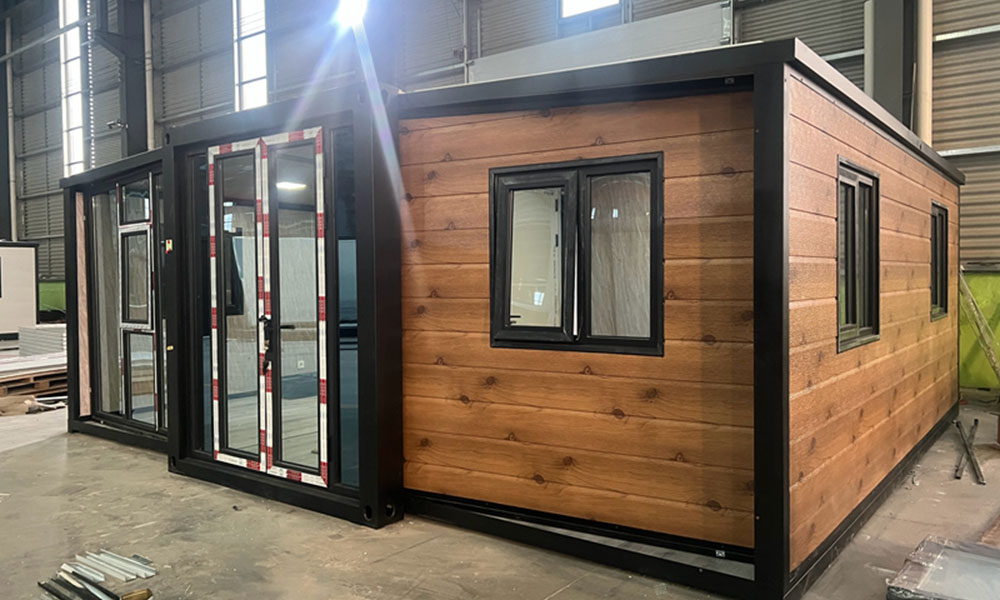


The global commercial workspace landscape is undergoing a tectonic shift. In 2026, the traditional long-term office lease—once a static, non-negotiable overhead—is being rapidly replaced by agile, deployable infrastructure. As corporations and SMEs grapple with fluctuating team sizes and the decentralization of operations, the demand for high-performance, transportable work environments has surged. Yet, for procurement managers and facility planners, the market has become increasingly complex. The cost of acquiring professional-grade expandable workspaces is trending upward, and understanding the 2026 price movements is critical for any organization planning an infrastructure expansion.
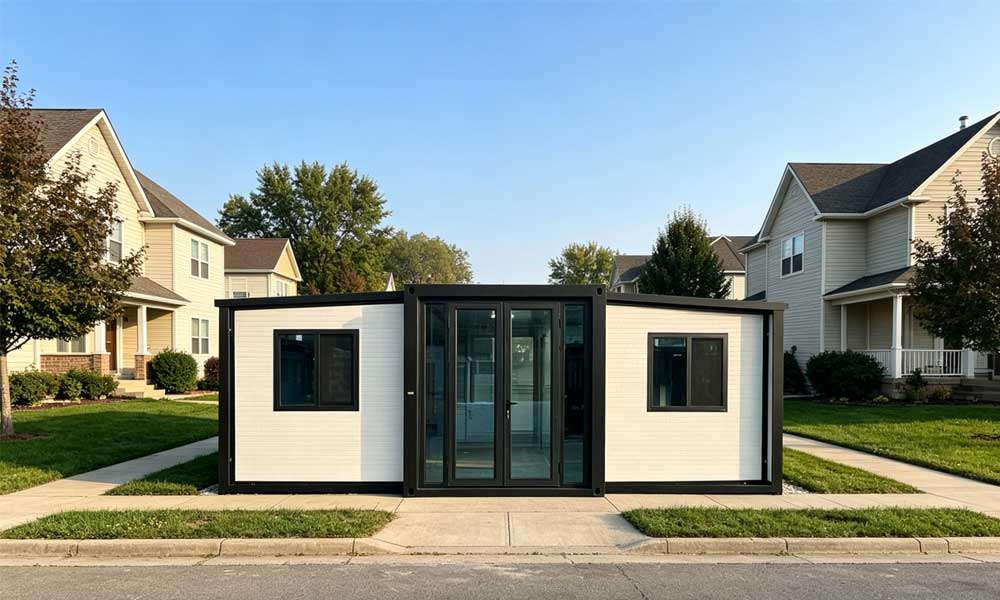
The Macroeconomic Drivers of 2026 Price Realignment
The current rise in market pricing is not merely a result of inflationary pressure; it is a fundamental market correction. According to the worldsteel Short Range Outlook (April 2026), while global steel demand is stabilizing after years of contraction, the shift toward high-performance modular construction has transformed the "container office" from a utilitarian box into a sophisticated technological asset.
For a procurement director scouting a turnkey expandable container office unit in Lyon, the price point now reflects a move toward "smart-ready" infrastructure. Today’s units incorporate advanced climate control, structural engineering that meets 2026 seismic safety standards, and integrated electrical bus systems. The rise in prices is a reflection of this transition from buying a shell to purchasing a "capability."
Strategic Cost Breakdown: 2026 Allocation Matrix
To assist procurement teams in planning, we have developed a benchmark allocation for modular infrastructure investments in the current economic climate.
Cost Component | Budget Weight | 2026 Market Volatility Factors |
|---|---|---|
Base Structural Shell (FOB) | 50% | Steel demand rebound and decarbonization compliance |
Logistics & Maritime Freight | 20% | Geopolitical uncertainty and port congestion risks |
Local Foundation & Installation | 20% | Specialized labor shortages and local permit mandates |
Smart Integration & IT | 10% | Demand for IoT-ready and high-speed fiber interfaces |
Geographic Density and Logistics Complexity
In 2026, geography is the primary variable of investment volatility. We are seeing significant price variances based on the "last-mile" complexity of installation. For instance, when evaluating a high-spec double-wing expandable office pod in Nagoya, the cost calculation must account for the high precision required in tight urban logistics. Navigating a unit through dense metropolitan infrastructure requires specialized crane services and permits that weren't as critical in the rural deployments of the past.
Conversely, sourcing for a project in a region with strict energy performance mandates, such as a sustainable modular workspace solution in Helsinki, requires a higher upfront investment in thermal-break assemblies and reinforced insulation layers to meet local heating efficiency standards.
Why "Low-Cost" Suppliers Increase Operational Risk
In 2026, the temptation to chase the lowest quote for an expandable steel office solution in São Paulo is more dangerous than ever. The market is currently saturated with "budget" manufacturers who cut corners on structural steel gauges and secondary weather-sealing to offset rising material costs.
A project manager who opts for a unit missing a certified structural integrity report—or failing to meet fire-rating codes—will inevitably face significant remedial costs. In professional office settings, downtime is the single greatest expense. If a unit requires structural reinforcement or waterproofing repairs three months after deployment, the "savings" from the initial purchase price are immediately eclipsed. Procurement teams are now shifting their vetting process to prioritize factory-audited structural longevity, favoring manufacturers who provide Non-Destructive Testing (NDT) reports and long-term mechanical warranties.
The Rise of the "Intelligent Workspace"
The 2026 office is no longer just four walls; it is a node in a corporate digital network. Today’s premium expandable modules are increasingly shipped with pre-installed IT infrastructure—fiber-optic ready ports, integrated security hardware, and smart-climate zones.
When analyzing the quote for amodern dual-wing office cabin in Seattle, companies are no longer comparing the price of the container shell. They are evaluating the cost of "plug-and-play" productivity. The integration of these smart systems at the factory level—rather than through on-site retrofitting—is a major driver of the 2026 market price trend.
2026 Procurement Checklist for Decision Makers
Before finalizing your infrastructure budget, ensure your project plan satisfies these three technical requirements:
1. Life-Cycle Value Assessment: Factor in the energy efficiency (U-values) and the modularity of the unit. A unit that can be easily reconfigured in three years is a high-yield asset, not a sunk cost.
2. Regulatory Documentation: Ensure your supplier provides full documentation for local building and safety standards. Pre-certified systems can slash the time-to-occupancy by weeks, significantly reducing the "hidden" cost of local labor.
3. Logistics Agility: Secure your local assembly partners early. The cost of "turnkey" delivery is the most volatile variable in the 2026 landscape due to shifting carrier dynamics.
Future-Proofing Your Commercial Infrastructure
The rising prices of 2026 reflect a maturing industry. We are moving away from the era of "repurposed scrap" and into an era of "manufactured infrastructure." Organizations that treat their modular workspaces as high-yield, durable assets will find that the initial investment is more than offset by the reduction in construction risk and the sheer speed of operational deployment.
At Hengmao, we specialize in bridging the gap between heavy industrial production efficiency and the rigorous compliance demands of the global market. Whether your team requires aturnkey expandable container office unit in Lyon or a bespoke workspace, we provide the technical transparency, material certification, and logistics planning necessary to navigate the 2026 market. By focusing on quality and strategic logistics, your organization can turn these expandable assets into a cornerstone of its physical infrastructure strategy for years to come.
Project Feasibility & Compliance ChecklistIf you are planning an office expansion in 2026, contact our engineering desk to request a specifically tailored to your municipal zoning requirements.