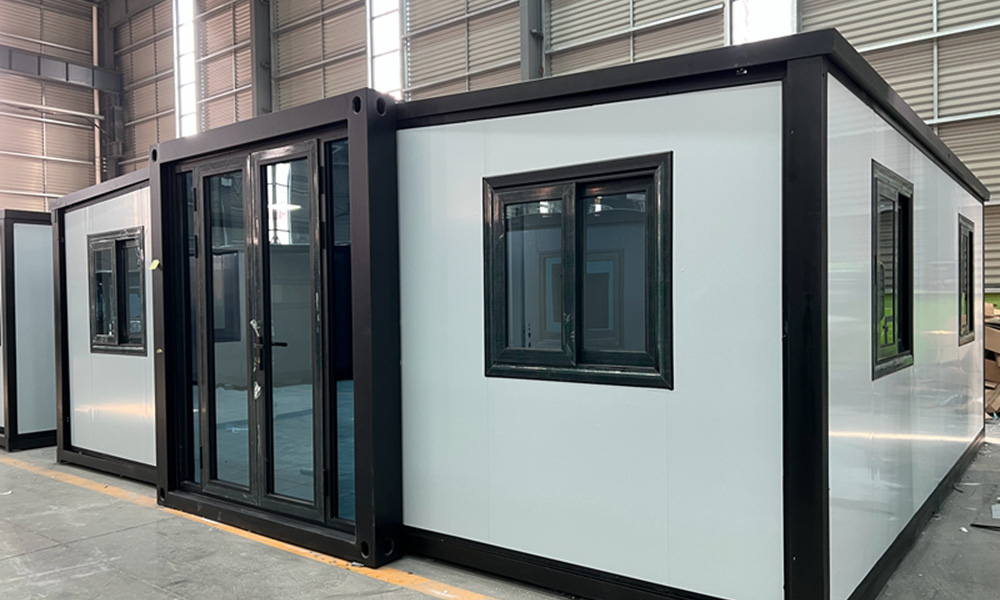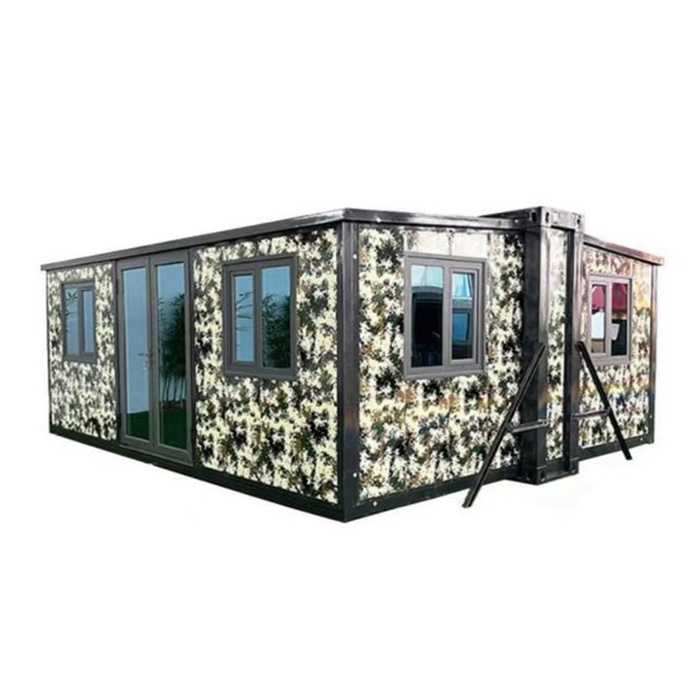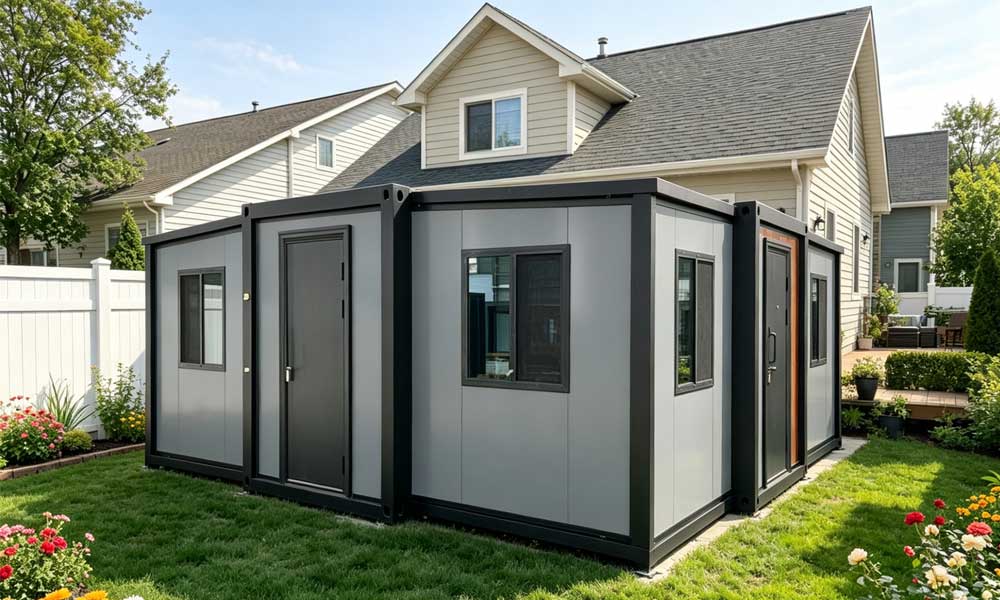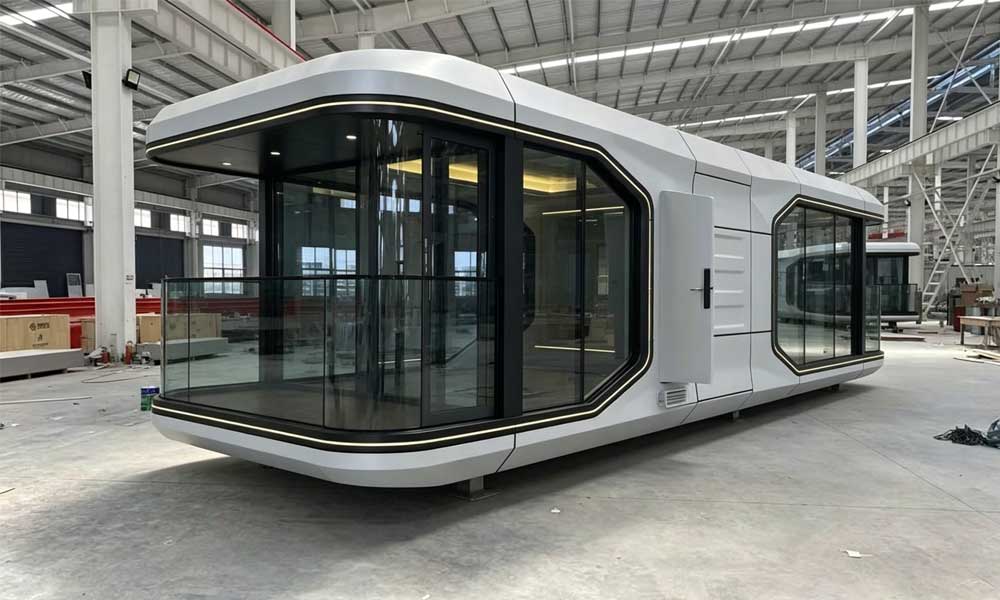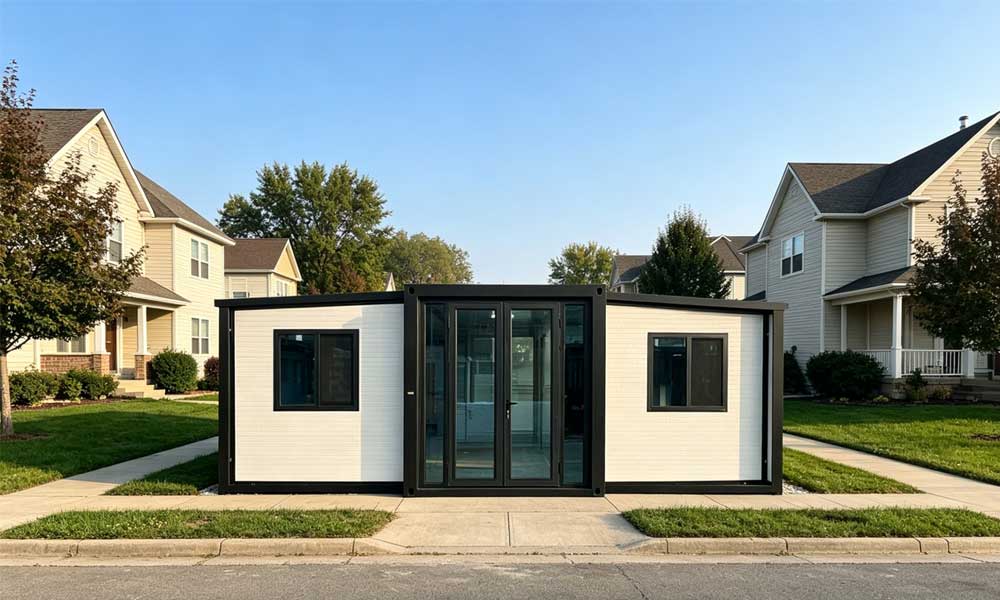



Choosing between an expandable tiny house and a conventional tiny house ultimately comes down to your priorities: flexible living space versus simple structural design. Both housing styles support minimalist living and feature an eco-friendly, low-impact build, yet they cater to completely different project needs and long-term usage scenarios. For buyers who want a compact, transport-friendly building for easy shipping — without sacrificing spacious, residential-grade living space after installation — the expandable tiny house delivers the perfect balance of mobility and everyday livability.
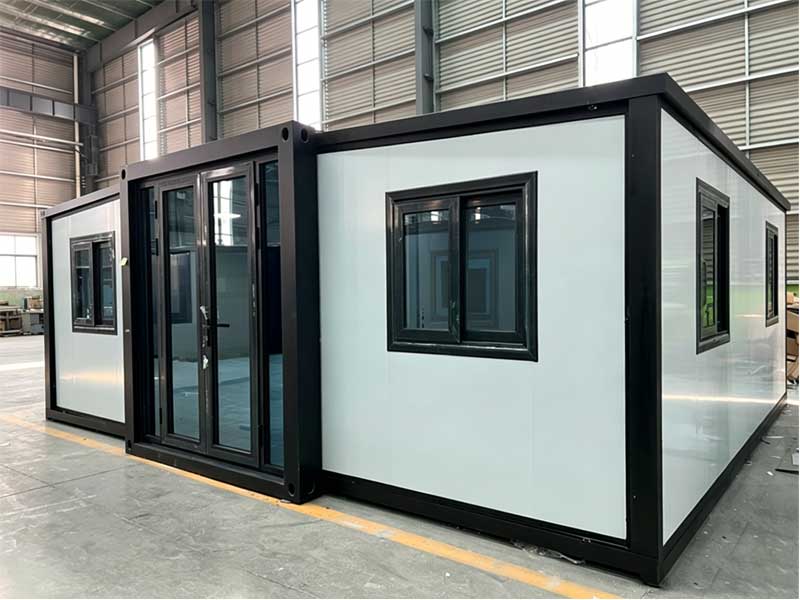
The Spatial Evolution: Fixed vs. Dynamic Layouts
The biggest difference separating these two housing solutions lies in their core structural design. Standard tiny houses feature fixed overall dimensions, usually capped at 2.5 meters in width to comply with global road transport limits. This static layout forces kitchens, bathrooms and loft bedrooms to fit within a narrow, constrained footprint. While this compact design works well for solo travelers or couples seeking simple rustic accommodation in Vancouver or rural New Zealand, it lacks the versatility for long-term family residency.
Expandable tiny houses solve this limitation with precision-engineered sliding and bi-fold wall systems. During transit, the unit compacts down to standard container size, fitting easily on flatbed trucks for low-cost, hassle-free shipping. Once delivered to the site — whether on coastal land in Adelaide or urban lots in Austin — the side walls extend mechanically or hydraulically. This simple expansion instantly widens the unit from a 2.5-meter transit width to a spacious 6.3-meter full residential layout. The open, multi-room design eliminates the cramped feel of traditional micro-homes, making expandable models fully suitable for permanent primary residences, rather than only temporary weekend cabins.
Structural Integrity and Site Adaptability
Global developers and resort operators consistently prioritize structural durability and climate adaptability when selecting modular housing. Traditional trailer-mounted tiny houses use lightweight timber frames. Though highly portable, these wooden structures are more vulnerable to harsh weather conditions and often face stricter local zoning restrictions in many international regions.
In comparison, modern expandable houses adopt heavy-duty hot-dip galvanized steel frames paired with flame-retardant polyurethane or rock wool sandwich wall panels. This industrial-grade structure meets rigorous international building codes and performs reliably across diverse global climates:
Wind Resistance: Many steel-framed modular models are rated to withstand Grade 11 to 12 winds, making them dependable choices for storm-prone regions like Florida or the coastal towns of Queensland.
Thermal Efficiency: The insulated sandwich walls provide excellent thermal resistance, keeping the interior comfortable whether facing the intense summer heat of Pretoria or the freezing winters of Oslo.
Foundation Flexibility: They can be placed on simple concrete piers, screw piles, or temporary level footings, allowing for quick installation with minimal site disturbance.
Global Supply Chains and Export Compliance
International building compliance is one of the most critical considerations for commercial developers investing in overseas modular projects. Premium expandable house designs stand out for their plug-and-play global certification compatibility, eliminating most on-site modification barriers.
Professional manufacturers like Hanleon Regie optimize every production step to meet regional construction and energy standards. Export-ready units come pre-certified for target markets: German-bound homes comply with strict U-value thermal insulation regulations, while Australian projects feature factory-installed SAA-approved electrical systems and WaterMark-certified plumbing for Auckland and Sydney developments.
Full factory pre-installation of region-specific systems saves buyers substantial time and retrofit costs. On-site setup becomes extremely efficient: project teams in Munich or Melbourne only need to connect local utilities to external reserved interfaces, finishing full occupancy-ready installation in a single day.
Financial Reality: Cost per Square Meter
When evaluating investment value, relying solely on upfront unit price is misleading. Custom-built traditional tiny houses require extensive bespoke carpentry, tailored woodwork and specialized cabinetry to adapt to their compact fixed layout, which significantly raises manufacturing costs and overall pricing.
Expandable modular houses deliver far better cost performance when calculated by usable square meterage. Standardized industrial manufacturing stabilizes quality and controls production expenses. After expansion, these units offer independent bedrooms, full-size kitchens and standard residential bathrooms — complete functional spaces that greatly reduce average unit area costs. This high scalability delivers faster ROI, making expandable houses ideal for remote workforce housing in mining towns like Kalgoorlie and eco-tourism resort developments across Costa Rica.
Expandable Tiny House FAQ
What are the structural requirements for importing an expandable tiny house to the USA or Australia?
Export-ready expandable tiny houses feature full hot-dip galvanized steel chassis for superior corrosion resistance and seismic stability. All electrical systems are pre-wired to match local standards, including UL certification for the United States and SAA compliance for Australia, with matched circuit breakers and outlets. Plumbing systems adopt WaterMark-certified components to ensure smooth local council inspection and approval.
How long does the on-site installation of an expandable modular home take?
The mechanical unfolding process takes approximately 2–4 hours with standard construction equipment and a three-person crew. Completing interior finishing, footing leveling, and full utility connection to municipal water and power systems typically requires an additional 1–2 days, after which the house is fully move-in ready.
Can these expandable steel structures handle extreme snow loads and coastal corrosion?
Yes, high-quality expandable steel structures are engineered for extreme weather resilience. Reinforced roof trusses support heavy snow loads and facilitate snow shedding for high-latitude cold regions. For coastal areas such as the Mediterranean and Pacific islands, multi-layer marine-grade anti-corrosion paint is applied to the steel frame, while high-density polyurethane wall insulation prevents moisture accumulation and long-term rust issues.