

The global glamping industry is undergoing a structural transformation driven by modular construction technology, automation in prefabrication, and rising demand for experiential tourism.
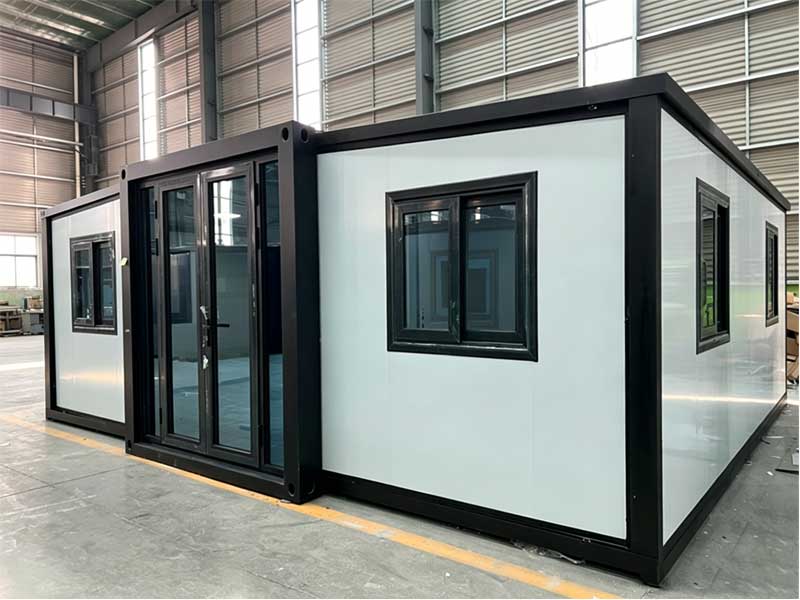
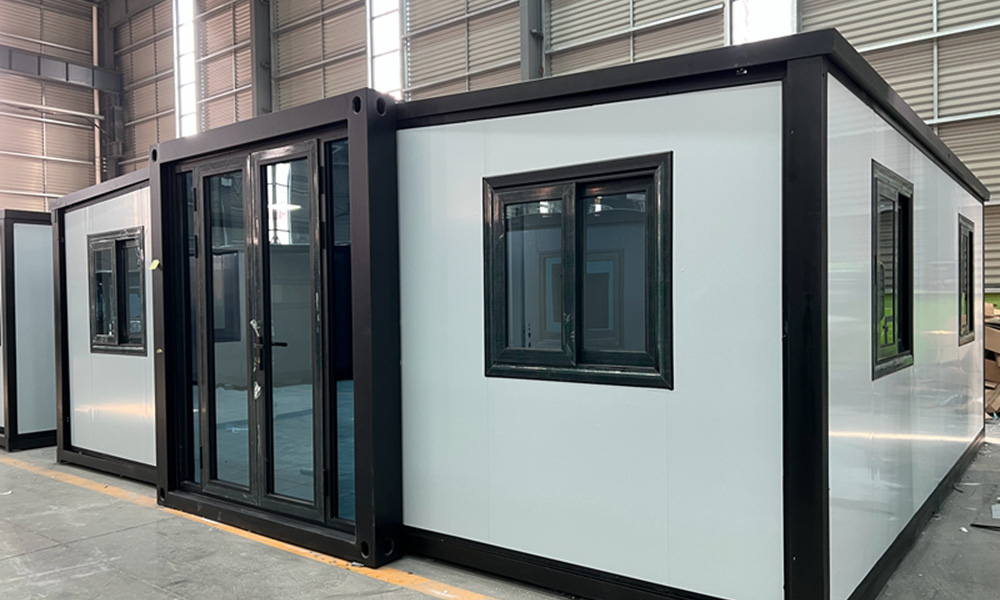
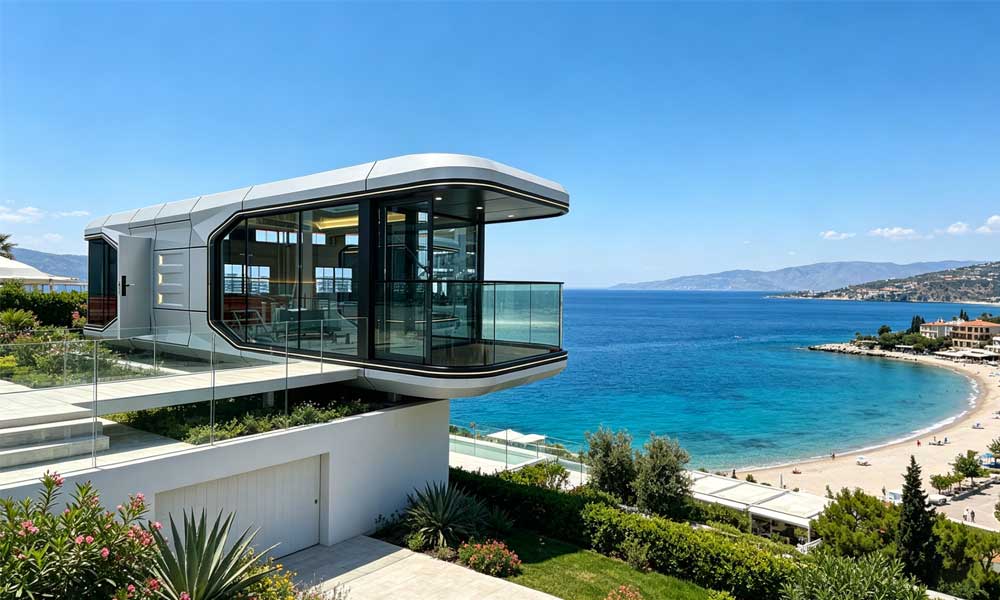
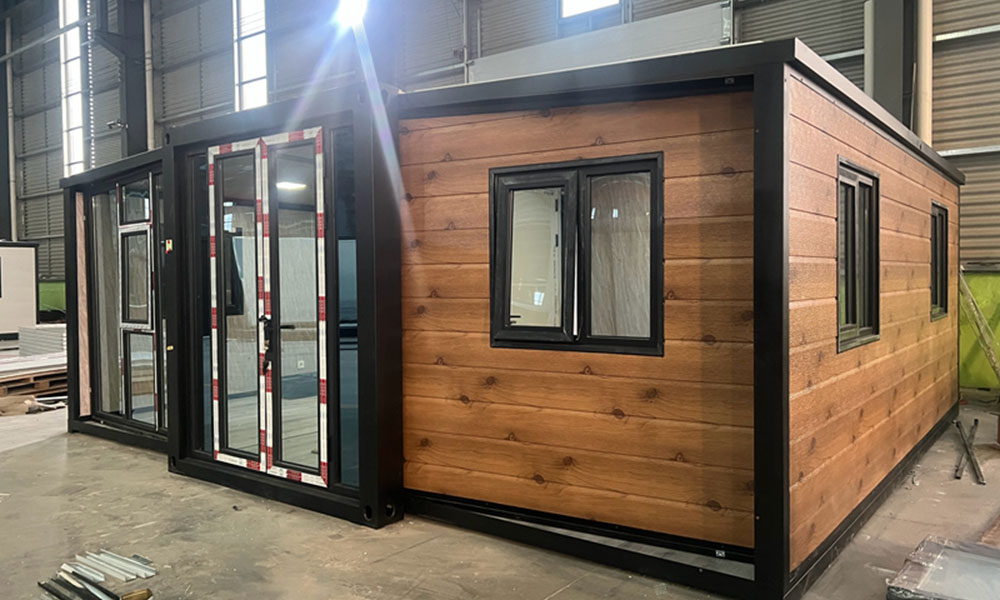
At the center of this transformation is the rapid adoption of modular smart capsule systems—referred to in manufacturing terms as Camp Smart Capsule House .
From a production manufacturer’s perspective, this product category is no longer just a hospitality structure. It has become a standardized, factory-produced tourism infrastructure unit that integrates accommodation, energy efficiency, and smart environmental control systems.
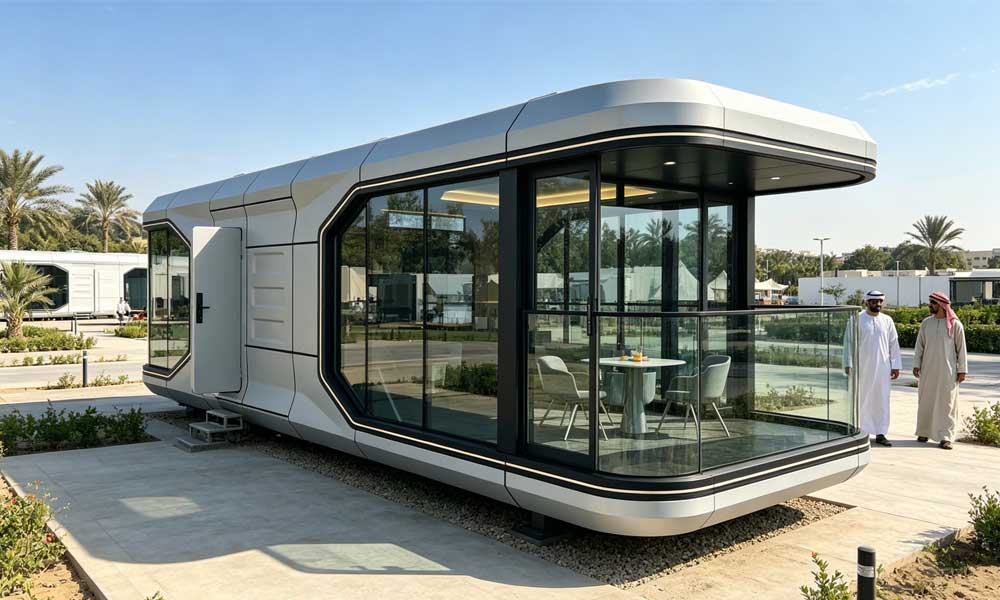
In high-growth tourism regions such as Switzerland Alpine resort zones (Interlaken region), Saudi Arabia desert tourism projects (AlUla development zone), and South Africa safari eco-camps (Kruger National Park outskirts), smart capsule systems are rapidly replacing traditional glamping tents and fixed wooden cabins.
Why the Glamping Industry Is Moving Toward Modular Capsule Systems
Traditional glamping infrastructure is typically based on canvas tents, wooden cabins and semi-permanent lightweight shelters.
These conventional structures face obvious industry limitations. They feature high maintenance cost, poor climate adaptability, slow deployment cycles and limited scalable space for business expansion.
In contrast, modular capsule systems operate under a factory production + plug-and-play installation model, allowing rapid deployment across different complex geographic environments.
This structural industry shift is especially visible in multiple emerging tourism zones. Typical regions include Arizona desert tourism zones (USA), British Columbia forest retreat areas (Canada), and Western Australia outback eco-camps.
Manufacturing Logic: Why Factories Are Driving This Trend
From a production standpoint, smart capsule systems possess core manufacturing advantages that traditional glamping facilities cannot match.
Standardized mass production
Each unit is produced using modular steel frame systems with strict factory precision control, realizing unified product quality.
Reduced on-site labor dependency
Most functional components are pre-installed in the factory, reducing on-site construction labor requirements by 60–80%.
Scalable output model
Factories can flexibly adjust production output based on seasonal demand fluctuations in global tourism markets.
Quality control consistency
Different from manually built on-site cabins, capsule units are manufactured following repeatable and unified industrial standards.
Under this logic, manufacturers have completed role transformation, shifting from traditional “construction companies” to professional “industrial housing producers”.
Switzerland (Alpine Glamping Resorts)
In Zermatt and Interlaken regions, high-altitude alpine tourism puts forward strict requirements for accommodation facilities. Local projects demand strong insulation performance, reliable snow load resistance and compact, rapid deployment systems.
Saudi Arabia (Desert Luxury Camps)
In the AlUla tourism development zone, extreme desert environments require facilities with excellent high heat resistance. Solar energy integration becomes an essential configuration, and rapid deployment capability supports seasonal tourism event operations.
South Africa (Safari Eco Tourism)
Eco-camps around Kruger National Park need wildlife-safe structural design. Off-grid energy systems and low-impact installation methods are required to protect the local ecological environment.
Canada (British Columbia Forest Resorts)
Forest tourism zones require facilities with professional humidity resistance and cold climate insulation adaptation. Modular capsules help operators balance off-peak and peak seasonal tourism demand.
Product Evolution: From Glamping Tent to Smart Capsule System
The iteration of global glamping infrastructure can be divided into three complete development stages.
Stage 1: Traditional tent camping
This early mode features low construction cost, but comes with low living comfort and extremely high weather sensitivity, unable to adapt to complex climate conditions.
Stage 2: Wooden cabin glamping
Wooden cabins improve basic accommodation comfort, yet they have prominent pain points including high daily maintenance cost and poor scalable development capability.
Stage 3: Smart capsule systems
The new-generation modular capsules adopt integrated factory production, matched with built-in climate control systems, modular scalable design and remote intelligent monitoring functions.
Modern smart capsule systems are fully equipped with smart lighting control, complete HVAC integration, multi-layer insulation shell systems and optional solar energy modules to meet high-end glamping demands.
Traditional Housing vs Smart Capsule Systems (Comparison Table)
The following engineering and operational comparison table clearly presents the structural advantages of smart capsule glamping systems over traditional facilities.
📊 Glamping Infrastructure Comparison Table
Category | Smart Capsule Glamping System | Traditional Glamping Cabins |
Production Model | Factory mass production | On-site construction |
Deployment Time | 1–5 days installation | 30–120 days build time |
Climate Adaptability | Engineered insulation system | Dependent on materials |
Mobility | Fully relocatable | Permanent structure |
Energy System | Solar + hybrid integration optional | External power required |
Maintenance Cost | Standardized modular replacement | High repair labor cost |
Scalability | High (factory-based expansion) | Limited by construction capacity |
Guest Experience | Smart environment control | Basic comfort systems |
Environmental Impact | Low footprint installation | Higher land disturbance |
Engineering Reality: Performance in Real Environments
Although smart capsule systems adopt advanced industrial design, actual field deployment still produces certain environmental adaptation variables.
Common observed engineering conditions include thermal expansion difference in extreme desert climates, condensation accumulation in high humidity zones, and minor structural deviation (1.2–2.3mm) during long-distance transportation.
In the Saudi Arabia AlUla desert deployment zone, extreme daytime high temperatures require targeted adjustment of internal HVAC operating cycles to sustain stable guest comfort.
In Switzerland alpine regions, uneven snow load distribution necessitates reinforcement of roof curvature stress points to ensure structural safety.
These targeted optimizations belong to normal modular engineering calibration processes, rather than structural product defects.
Revenue Model Transformation in Glamping Industry
Smart capsule systems drive fundamental changes to the glamping industry revenue model, shifting from single seasonal hospitality income to diversified hybrid asset utilization revenue.
High-end accommodation revenue
Realize premium nightly rental pricing relying on superior product experience and unique scenic location advantages.
Seasonal pricing optimization
Implement dynamic pricing strategies according to tourism peak and off-peak demand cycles to maximize annual yield.
Event-based deployment revenue
Support temporary regional relocation to match local tourism festivals and large-scale activity peaks for incremental income.
Asset redeployment value
After the end of local tourism peak seasons, units can be relocated to emerging high-yield tourism zones to extend asset service life.
Real Manufacturer Case: Hanliang Global Deployment
Zhongshan Hanliang Integrated Housing Technology Co., Ltd. has completed batch deployment of smart capsule systems in multiple global high-end glamping markets.
Covered project regions include Switzerland alpine glamping resorts, Saudi Arabia AlUla desert tourism camps, South Africa safari eco-lodge clusters and British Columbia forest retreat projects in Canada.
Case Observation: Switzerland Deployment
The units maintain stable high-altitude insulation performance in alpine environments. Additional snow load structural reinforcement is required to adapt to winter extreme weather.
Case Observation: Saudi Arabia Deployment
Solar energy systems become essential configuration to support stable off-grid operation. Internal cooling systems need targeted optimization to adapt to desert high-temperature environments.
Case Observation: South Africa Deployment
Projects adopt professional wildlife-safe structural placement design. The supporting off-grid energy system operates stably for a long time in remote ecological tourism zones.
Three Key Long-Tail Market Drivers
The rapid growth of smart capsule glamping system market is supported by three core long-term industry drivers.
The continuous rise of luxury experiential tourism demand promotes the development of eco luxury capsule resort systems.
The expansion of remote and off-grid tourism zones boosts market demand for solar powered capsule accommodation units.
Investors prefer fast-deployment hospitality investment models, driving the popularization of modular glamping resort factory systems.
These three dimensions jointly form the stable core demand structure of the industry.
Manufacturer Perspective: Why This Market Is Expanding
From factory production and industrialization perspective, the continuous expansion of the smart capsule glamping market has clear structural logic.
The comprehensive standardization of housing modules realizes large-scale batch production and stable product quality.
Global tourism infrastructure demand continues to rise, while traditional hospitality construction faces rising cost pressure.
The market has urgent demand for scalable, relocatable and rapidly deployable mobile accommodation systems.
Overall, the entire glamping industry is transforming from traditional handcrafted hospitality construction to modern industrialized tourism infrastructure manufacturing.
Smart capsule systems are fundamentally transforming the glamping industry by replacing traditional fixed accommodation models with scalable, factory-produced, and globally deployable hospitality infrastructure.
Real-world deployment practices across Switzerland, Saudi Arabia, South Africa, Canada and other regions verify that modular capsule systems have obvious advantages in scalability, deployment efficiency and environmental adaptability compared with traditional glamping structures.
Nevertheless, the successful operation of smart capsule glamping projects still relies on targeted engineering adaptation, climate parameter calibration and scientific operational deployment strategies.
Frequently Asked Questions (FAQ)
Q1: Why are smart capsule houses changing the glamping industry?
Because they reduce construction time, improve scalability, and allow operators to deploy hospitality infrastructure rapidly across different tourism markets.
Q2: Are smart capsule glamping systems suitable for extreme environments?
Yes, but they require engineering adjustments for insulation, solar energy systems, and structural reinforcement depending on climate conditions.
Q3: What is the biggest advantage for manufacturers?
The ability to produce standardized units at scale, reducing labor dependency while increasing global export flexibility.