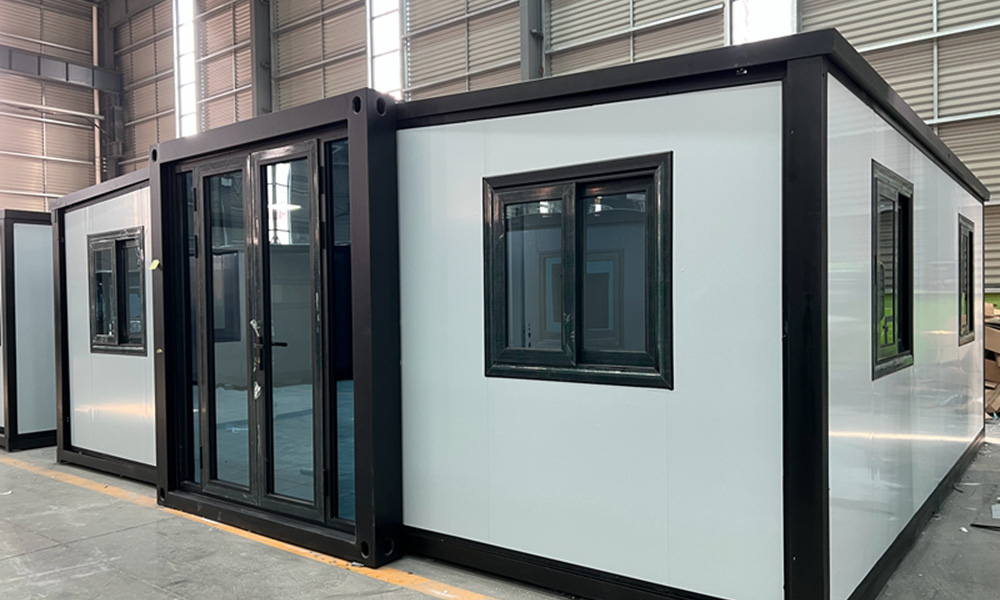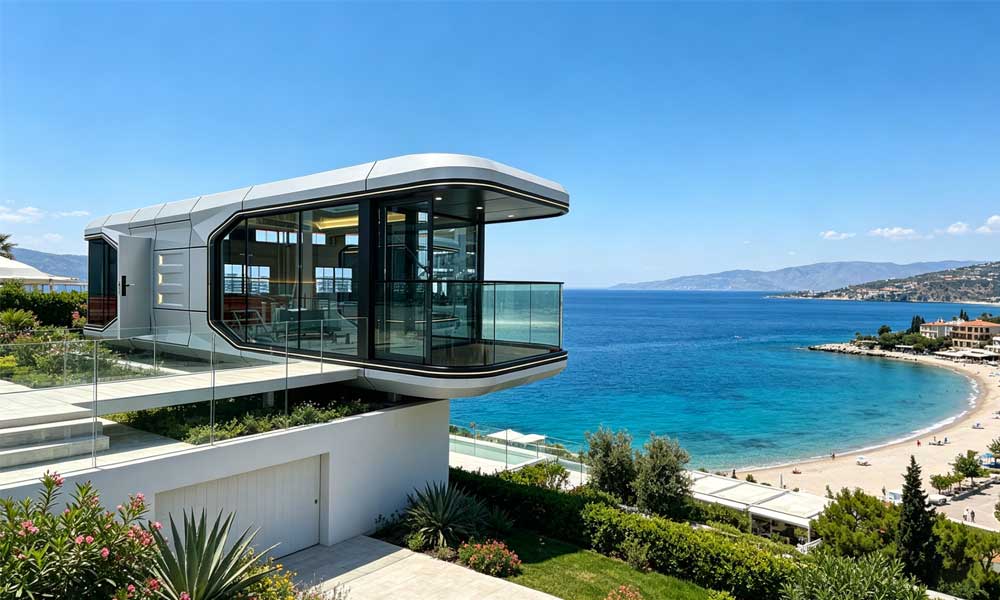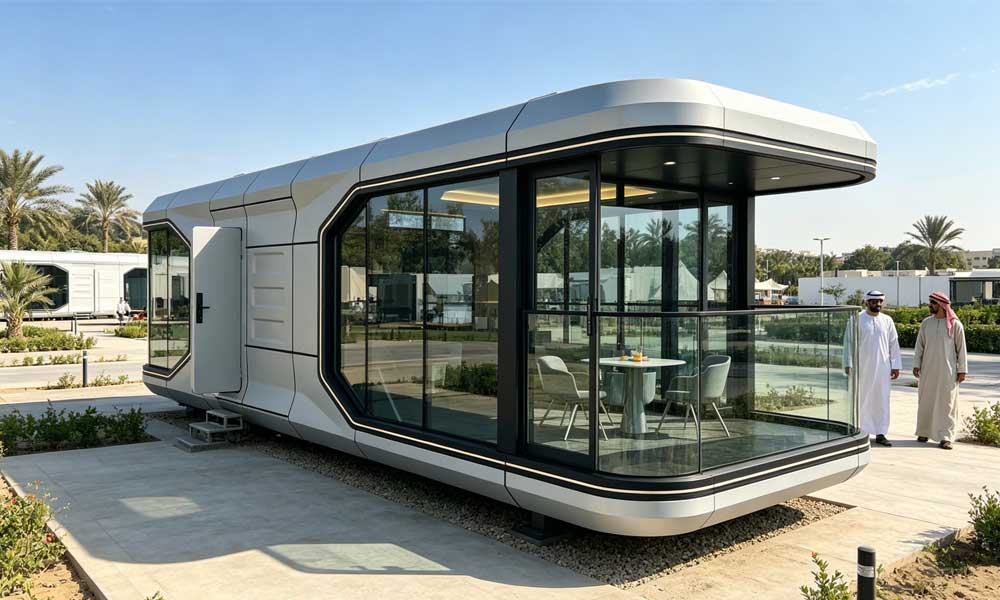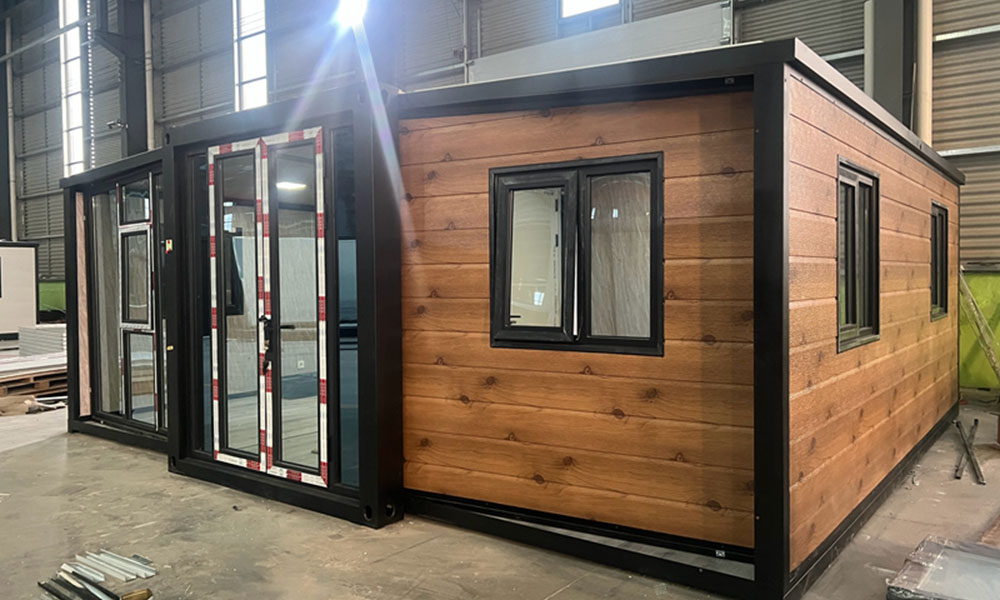


Executive Summary: Overseas procurement managers often evaluate modular housing using lifecycle costs rather than factory prices alone. True efficiency stems from minimized transit volume, rapid deployment, and drastically reduced field labor.
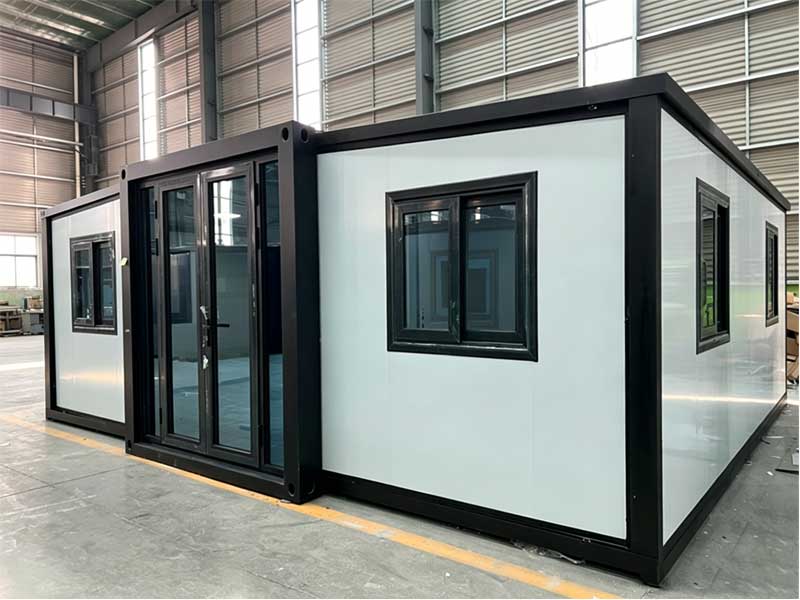
The Short Answer: Buyers Pay for Speed, Not Just Raw Materials
When overseas buyers compare modular buildings with traditional construction, they often focus on the purchase price first.
From a manufacturer's perspective, the biggest attraction is not that these buildings are cheap.
Instead, they offer a much better balance between investment, deployment speed, and long-term operating costs.
Whether the project is a mining camp in Chile (Antofagasta), a temporary logistics center near Poland (Gdańsk), workforce accommodation outside Oman (Muscat), or emergency public facilities around Uruguay (Montevideo), buyers ask the same question:"Can we complete the project faster while keeping the total investment under control?"
In many situations, the answer is yes.
Price Is Only One Part of the Equation
Many first-time buyers compare only factory quotations. Professional project owners rarely do.
Instead, they evaluate what manufacturers call the Total Delivered Cost, which encompasses:
Upstream Manufacturing: Precision fabrication under climate-controlled factory floors.
Logistics & Freight: Shipping volumes per ocean container and inland transportation legwork.
Site Implementation: On-site installation speed, foundation preparation, and local specialized labor.
Lifecycle Maintenance: Operational upkeep and durability over several years of intense field use.
A product that costs slightly more at the factory may reduce total project expenses.
It requires fewer workers and much less installation time.
Experienced procurement managers evaluate modular housing using life-cycle costs rather than factory prices alone.
Why Manufacturers Can Offer Competitive Pricing
Unlike conventional buildings, modular housing benefits from industrial production methods.
At Hanliang, production follows standardized manufacturing procedures that improve consistency while reducing unnecessary labor.
Standardized Steel Structures
Eliminating custom waste: Instead of fabricating every project individually, major structural components are produced using repeatable engineering specifications.
This improves material utilization while reducing production waste.
Mass Purchasing of Materials
Stabilizing supply lines: Large-volume purchasing allows factories to stabilize costs for galvanized steel, insulation materials, aluminum panels, windows, and electrical accessories.
Market prices still fluctuate, but long-term supplier relationships reduce volatility.
Controlled Factory Production
Defeating weather delays: Indoor manufacturing minimizes weather delays that frequently affect traditional construction.
Workers specialize in fixed production stages, improving efficiency over time.
The Hidden Cost That Buyers Often Ignore
One of the biggest mistakes new importers make is comparing only the unit price.
Experienced developers usually prioritize Time.
A building completed several weeks earlier can begin producing value immediately.
This translates directly to early rental income, immediate worker accommodation, faster tourism operations, or rapid project management setup.
In many commercial projects, reducing construction time creates a greater financial benefit than negotiating a lower purchase price.
Typical Deployment Comparison
Project Type | Foldable Modular Building | Traditional Construction |
|---|---|---|
Factory Production | 3–5 weeks | N/A |
Site Installation | 1–3 days | 60–150 days |
Labor Requirement | Small installation crew | Multiple construction teams |
Weather Impact | Minimal | High |
Construction Waste | Very Low | High |
Site Disturbance | Limited | Extensive |
Looking Beyond the Purchase Price: Understanding ROI
For remote locations, these operational differences become even more valuable.
Many overseas customers operate in regions where construction resources are highly limited.
The compounding labor cost: In harsh environments, every additional worker increases accommodation costs, transportation expenses, equipment rental, and project management complexity.
Reducing on-site construction work produces greater savings than lowering the purchase price itself.
Asset redeployment value: A lower purchase price does not always produce a lower overall investment.
Experienced contractors evaluate flexibility: Can the building be folded, loaded, and relocated easily if the project footprint changes?
Which Buyers Benefit Most?
From our manufacturing and export experience, these structures are especially suitable for projects that require a rapid deployment modular housing solution without sacrificing long-term durability.
Temporary Workforce Accommodation
Mining and Energy: Infrastructure contractors require housing that can be installed quickly and removed after project completion.
The modular approach minimizes footprint disruption while reducing field labor requirements.
Construction Site Offices
Engineering Firms: Many engineering companies are replacing conventional temporary buildings with a low-maintenance prefabricated site office system.
It provides superior thermal insulation, cleaner interiors, and a longer structural service life.
Tourism and Eco-Lodges
Scenic Destinations: Where permanent construction is restricted, modular accommodation allows operators to expand capacity with less environmental impact.
Because units are factory-built, the surrounding landscape experiences far less disturbance.
Emergency Public Facilities
Humanitarian Sectors: Government agencies increasingly require buildings that can be transported rapidly and assembled with limited equipment.
For these projects, deployment speed is far more valuable than architectural complexity.
Comparing Different Building Solutions
Price comparisons become more meaningful when overall project performance is evaluated holistically.
Comparison Item | Foldable Modular Building | Traditional Container Conversion | Conventional Construction |
|---|---|---|---|
Factory Quality Control | High | Medium | Depends on contractor |
Transportation Efficiency | Excellent | Moderate | Material shipments required |
Installation Speed | Very Fast | Moderate | Slow |
Expansion Flexibility | High | Limited | Low |
Future Relocation | Possible | Difficult | Not practical |
Maintenance Requirements | Low | Medium | Medium to High |
Cost Predictability | High | Medium | Affected by labor/materials |
Choosing the Right Configuration for Different Budgets
Not every buyer needs the highest specification.
Selecting an appropriate configuration produces better value than purchasing unnecessary upgrades.
Entry-Level Projects: Best for temporary site storage or basic shelter.
An entry-level, export-ready portable accommodation unit prioritizes raw structural reliability, high packing density during ocean transit, and simplified installation mechanics.
Mid-Range Commercial Projects: Best for commercial rental fleets, tourism cabins, and standard workforce housing.
Priorities shift toward upgraded insulation cores, integrated plumbing/electrical channels, and enhanced interior wall finishes.
Premium Applications: Best for permanent residential structures, hospitality resorts, or government facilities.
These configurations prioritize heavy thermal performance breaks, smart electrical layouts, customized floorplans, and architectural-grade exterior finishes.
Real Export Experience from Hanliang
As a manufacturer specializing in modular housing exports, Jiangxi Hanliang Integrated Housing Technology Co., Ltd. has supplied projects across multiple industries globally.
Case Study 1: The Atacama Infrastructure Expansion (Antofagasta, Chile)
One recent customer in northern Chile required temporary accommodation for an infrastructure project located several hours from the nearest city.
Instead of constructing traditional buildings on-site, the developer selected an integrated modular system manufactured in our factory.
Although international shipping represented a noticeable portion of the budget, the project reached operational status weeks earlier than planned.
Earlier occupancy reduced overhead expenses significantly because subcontractors and heavy equipment remained on-site for a much shorter period.
Case Study 2: Logistics Hub Development (Gdańsk, Poland)
A European customer required several accommodation and office units for a logistics expansion.
Facing local labor shortages and seasonal winter weather risks, they opted for factory-built modular units.
The buildings were produced, shipped, and installed right before the ground froze.
Avoiding weeks of structural delays allowed the logistics terminal to maintain operational continuity.
This delivered far greater financial value than chasing the absolute lowest procurement bid.
What Drives the Price Variance?
Buyers often wonder why two identical-looking units have vast quotation gaps.
The answer lies in four hidden engineering variables:
Structural Steel Gauge: High wind or heavy snow zones require upgraded, thicker steel frames (such as 2.5mm to 3.0mm galvanized steel channels) to ensure structural compliance.
Insulation Core Density: Units built for extreme climates swap standard EPS for premium rockwool or polyurethane (PU) cores.
This raises initial material costs but aggressively cuts long-term HVAC expenses.
Interior Wet-Area Specs: A baseline open-plan sleeping shell is highly cost-effective.
Adding integrated plumbing, localized drainage, and premium kitchen/bathroom modules creates a functional price delta.
Compliance & Electrical Standards: Different jurisdictions mandate distinct electrical frameworks, such as CE-compatible setups, Australian standards, GCC electrical configurations, or North American voltage requirements.
Conclusion & 2026 Industry Outlook
Competitive pricing alone does not explain why global demand for industrialized modular construction continues to scale.
The real advantage lies in combining predictable manufacturing costs, shorter construction schedules, reduced labor dependence, and flexible deployment into a single, cohesive asset.
As we look through 2026, international buyers are becoming increasingly sophisticated.
Instead of requesting only a base quotation, procurement managers now demand detailed engineering certifications, insulation delta values, and shipping optimization data.
The market is firmly shifting from price-driven purchasing to performance-driven investment.
Frequently Asked Questions
Q1: What factors have the greatest impact on foldable modular building prices?
The core drivers are structural steel gauge specifications, the type and thickness of insulation materials, specialized interior plumbing configurations, regional electrical compliance certifications, and total shipping volume optimization.
Q2: Are foldable modular buildings suitable for permanent use?
Yes. When properly engineered, anchored to code-compliant foundations, and insulated according to local climatic regulations, these modular structures are fully capable of serving long-term residential, commercial, and institutional applications.
Q3: How can global buyers minimize the total project cost?
Buyers should look past the FOB factory quotation and analyze the total landed and assembled cost.
Minimizing on-site crane days, selecting high-cube container-optimized dimensions, and shortening the timeline to building occupancy yield much larger savings than squeezing factory material margins.