

The demand for compact, low-cost backyard housing solutions is rapidly increasing in global suburban markets, driven by housing shortages, remote work trends, and ADU (Accessory Dwelling Unit) legalization policies.
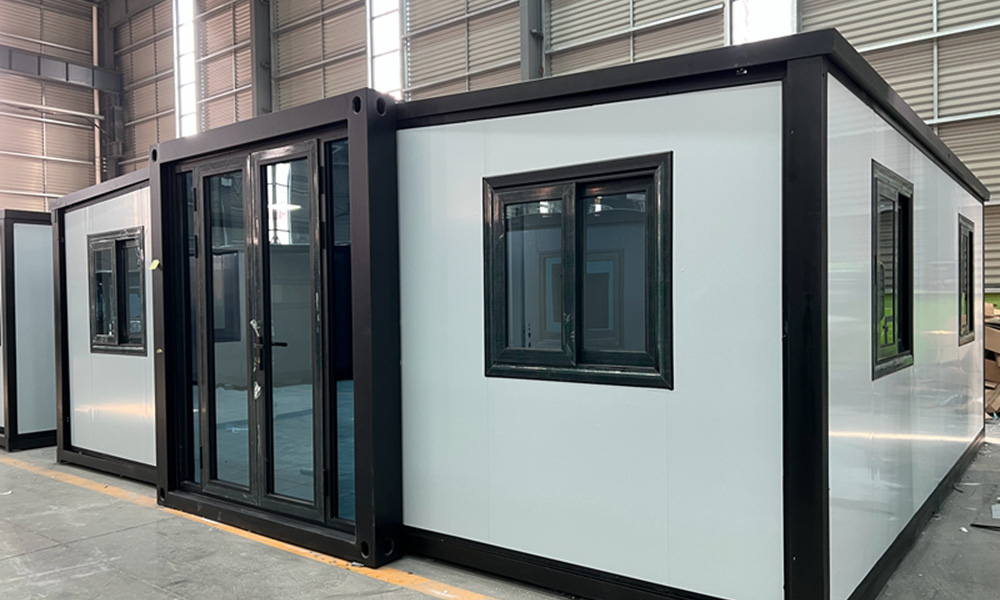
At the center of this shift is the Tiny Capsule House , a factory-prefabricated micro-living system designed for rapid backyard deployment at significantly lower cost compared to traditional home extensions.
In regions such as Texas suburban housing zones (Dallas–Fort Worth), Mexico City peri-urban expansion areas, Portugal coastal rental districts (Algarve region), and Thailand tourism housing zones (Chiang Mai outskirts), demand for affordable modular backyard units under $20,000 is steadily growing.
From a manufacturer perspective, this category is not a simplified product—it is a cost-optimized modular housing system engineered for scalable residential deployment.
Why Backyard Capsule Units Are Becoming Affordable Housing Solutions
Traditional backyard construction involves multiple high-cost, time-consuming processes. It generally requires architectural design fees, professional civil construction labor, lengthy official approval timelines and irreversible permanent structural modification to residential buildings.
These cumbersome links often push the total construction cost beyond the affordable range of ordinary homeowners.
In contrast, capsule-based ADU systems adopt a mature factory-prefabricated and standardized deployment model. This model greatly reduces on-site labor dependence, shortens construction cycles, cuts on-site material waste, and simplifies approval procedures in mainstream ADU policy zones.
Therefore, backyard capsule units have become highly suitable product solutions for cost-sensitive suburban housing expansion markets.
United States – Texas & Arizona Suburban Zones
Benefiting from the continuous expansion of ADU legalization policies, the local market has strong demand for rental backyard auxiliary residential units. The overall housing market is highly cost-sensitive, creating a broad market space for low-cost capsule ADUs.
Mexico – Mexico City Expansion Belt
Rapid urban suburbanization has brought huge gaps in affordable housing supply. The market has an urgent need for low-cost alternative housing solutions, and compact land utilization characteristics make capsule houses highly adaptable to local suburban terrain.
Portugal – Algarve Coastal Residential Areas
Local residential properties are gradually converted into tourism rental houses. Affected by seasonal tourism passenger flow, there is stable demand for flexible supplementary accommodation. Small-footprint capsule houses perfectly fit local housing development preferences.
Thailand – Chiang Mai Suburban Growth Zones
The region gathers a large number of global digital nomads, who have strong demand for affordable and flexible modular accommodation. The eco-friendly and compact living attributes of tiny capsule houses are in line with local residential development trends.
Product Classification: Budget-Level Capsule Housing Systems
In the global market segment of backyard capsule houses priced under $20,000, products are mainly divided into three standardized categories with differentiated positioning.
Entry-Level Backyard Capsule Units
Equipped with basic thermal insulation systems and standard steel frame structures, with minimal intelligent function integration. The product is optimized for basic sleeping spaces and small home office scenarios, meeting the most fundamental backyard space expansion needs.
Rental-Oriented Micro ADU Units
The interior space layout is optimized for higher utilization efficiency. Optional basic integrated bathroom configuration is available, with upgraded thermal insulation performance, specifically tailored for long-term rental operation scenarios.
Modular Expandable Budget Capsules
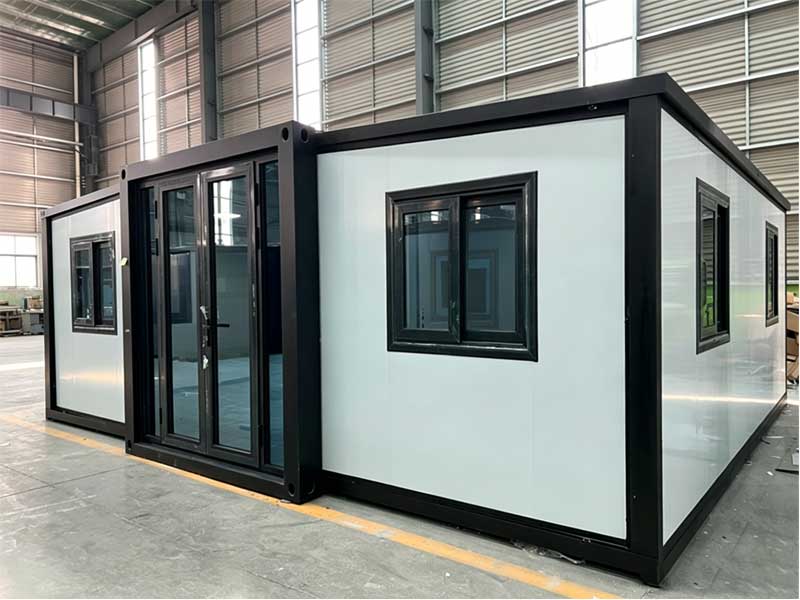
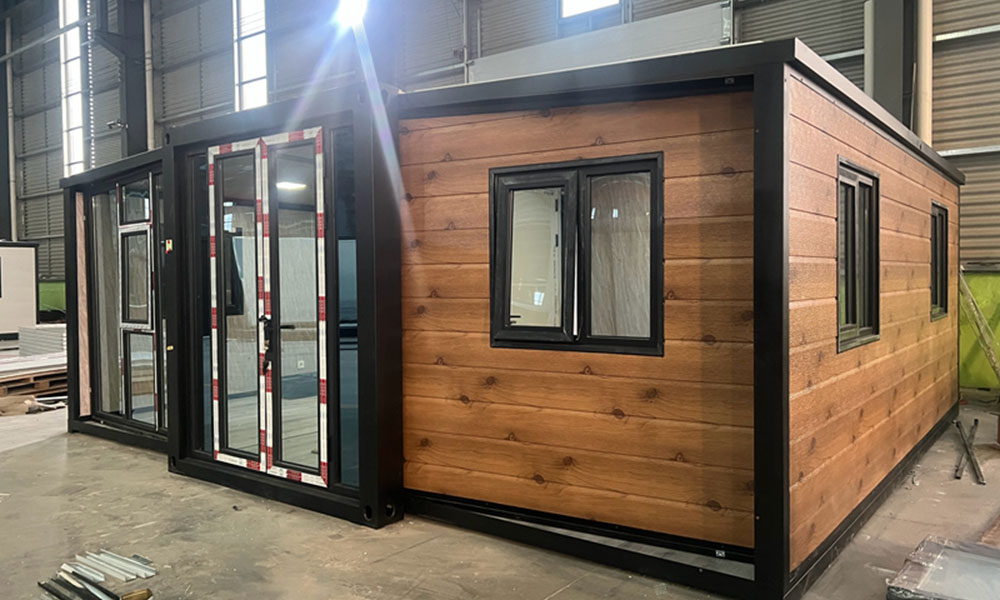
Adopting foldable and expandable structural design, the space utilization efficiency is further improved. The semi-permanent installation mode supports flexible disassembly and expansion, balancing cost performance and functional scalability.
Engineering Structure in Budget Capsule Systems
Even for low-cost budget capsule products, the industry still implements standardized engineering design and production specifications to ensure basic living performance and structural safety.
Core standardized structural features include lightweight galvanized steel frames, thermal insulation sandwich panels, pre-installed integrated electrical wiring systems, modular foundation adaptation compatibility and factory precision integrated assembly technology.
Field observation
In high-temperature suburban zones in Texas, targeted insulation performance upgrades are usually required to stabilize indoor thermal comfort in extreme summer heat.
In high-humidity climate areas such as Thailand, moisture-resistant protective coatings on unit surfaces have become essential configurations to ensure long-term service life and structural durability.
These targeted optimizations belong to conventional adaptive deployment processes for budget products in different regions.
Cost Structure Breakdown Logic (Under $20,000 Category)
The stable pricing model of under-$20,000 budget capsule units is formed through multi-dimensional cost control and standardized optimization, which is affected by multiple core factors.
Structural simplification
Cancel redundant personalized customized designs and adopt unified standard structures to effectively reduce factory production and processing costs.
Material standardization
Mass adoption of standardized steel profiles and wall panel systems reduces material specification differences and bulk purchase costs.
Smart system limitation
Retain necessary basic electrical functions and simplify redundant intelligent automation configurations to reduce electrical system complexity and component costs.
Transportation optimization
Adopt flat-pack and modular split transportation modes to reduce container logistics and transportation costs.
Installation simplicity
Standardized quick-assembly structure greatly shortens on-site construction cycles and reduces manual installation labor expenses.
Budget Capsule vs Traditional Backyard ADU (Comparison Table)
📊 Cost & Function Comparison
Category | Tiny Capsule House System | Traditional Backyard ADU |
Initial Cost | Under $20,000 models available | $60,000–$200,000+ |
Construction Time | 1–5 days installation | 2–6 months construction |
Structural Type | Factory-prefabricated | On-site built structure |
Approval Complexity | Simplified ADU process in some regions | Full building permit required |
Mobility | Semi-relocatable options | Permanent structure |
Energy Efficiency | Basic insulation + optional upgrades | Depends on construction quality |
Use Case Flexibility | Rental / office / guest unit | Fixed residential extension |
Maintenance Cost | Low modular replacement cost | Higher repair cost |
Application Scenarios for Backyard Deployment
Cost-effective budget capsule systems support diverse backyard deployment scenarios, with strong practicality and flexibility.
Main application fields include backyard rental auxiliary units, independent remote work studios, temporary guest accommodation pods, small-scale Airbnb short-term rental units and flexible residential space temporary extensions.
In US suburban markets such as Dallas and Phoenix, low-cost backyard capsule ADUs have gradually become mainstream small-scale income-generating residential assets for homeowners.
Real Manufacturer Case: Hanliang Budget Capsule Export
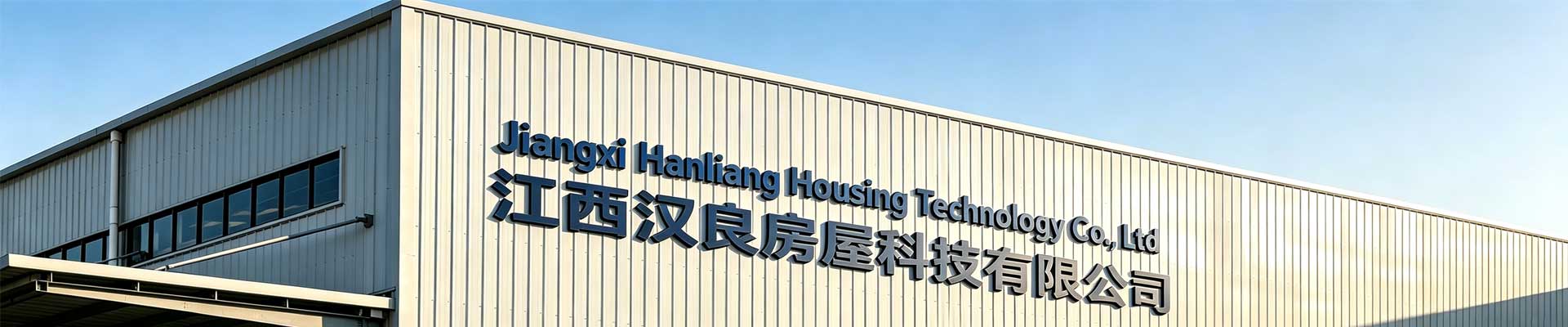
Zhongshan Hanliang Integrated Housing Technology Co., Ltd. has rich global export deployment experience in budget-level backyard capsule products, covering multiple emerging affordable housing markets worldwide.
The overseas project portfolio includes Texas suburban ADU backyard units in the United States, Mexico City peri-urban rental housing projects, Algarve tourism micro accommodation units in Portugal, and Chiang Mai eco rental capsule cabins in Thailand.
Case Observation – United States
The local market maintains high demand for rental backyard capsule units. Capsule products need targeted insulation upgrades to adapt to high-temperature weather in summer suburban zones.
Case Observation – Mexico
Projects focus on compact land space optimization design. The low-cost and high-efficiency deployment model of budget capsules has been widely recognized and adopted locally.
Case Observation – Portugal
Tourism rental cycles directly affect project occupancy and operation planning. Coastal high-humidity environment requires upgraded anti-corrosion coating protection for capsule surfaces.
Case Observation – Thailand
Products need adaptive upgrades for local high humidity and rainy weather conditions. The market is driven by strong and sustained demand from digital nomad groups.
Three Key Long-Tail Market Drivers
The continuous growth of the affordable backyard capsule housing market is supported by three core long-term driving factors.
Homeowners’ growing demand for backyard rental monetization promotes the popularization of low-cost backyard ADU rental capsule systems.
The global shortage of affordable residential housing drives market demand for budget prefabricated capsule housing units as effective supplementary solutions.
The continuous expansion of remote office lifestyles and digital nomad groups boosts the market demand for compact backyard micro living capsule homes.
Engineering Limitations in Budget Segment
While budget capsule houses have outstanding cost performance and deployment advantages, cost-optimized design brings objective functional limitations.
The product has limited interior personalized customization space, and the integration level of intelligent systems is lower than that of high-end customized products.
It has certain climate adaptation constraints in extreme weather environments, and the internal space capacity is smaller than premium large-size capsule models.
All these limitations are normal attribute characteristics of cost-optimized modular housing systems.
Conclusion
The Tiny Capsule House has become an important growing segment in the global affordable ADU market, providing standardized, low-cost and factory-prefabricated solutions for backyard residential space expansion needs.
Driven by rising global housing costs and the booming demand for flexible residential spaces, product adoption in the United States, Mexico, Portugal, Thailand and other regions is accelerating year by year.
Although budget-level capsule systems have certain functional gaps compared with high-end modular products, they provide an efficient and low-threshold development path for the popularization of modular backyard living and rental micro-housing systems.
Looking ahead, the affordable backyard housing segment is expected to evolve further as more regions refine their ADU policies and streamline modular housing approvals.
In markets where land scarcity and housing affordability continue to intersect—particularly in suburban North America, emerging Latin American cities, and high-density tourism regions in Southeast Asia—the role of compact capsule-based systems is shifting from optional backyard additions to practical residential infrastructure components.
From a manufacturing perspective, the next stage of competition will not only focus on reducing unit cost, but also on improving climate adaptability, installation efficiency, and long-term operational stability across different regulatory environments.
As modular production technology matures, even entry-level housing systems are gradually becoming part of a broader global shift toward standardized, relocatable, and factory-controlled residential ecosystems.
Frequently Asked Questions (FAQ)
Q1: Can backyard capsule houses really be used as ADU units under $20,000?
Yes, entry-level capsule systems are designed for basic ADU use such as guest rooms, rental units, or small office spaces depending on local regulations.
Q2: Are budget capsule houses durable enough for long-term use?
Yes, but durability depends on material selection, climate adaptation, and maintenance practices.
Q3: Which regions are best for affordable capsule housing adoption?
Regions with ADU-friendly policies and high rental demand such as parts of the US, Mexico, Portugal, and Southeast Asia show strong adoption potential.