

Modular capsule workspace systems are rapidly reshaping residential property utilization across global suburban markets. Driven by booming remote work, rising housing costs and flexible living demands, capsule-based modular units have become viable alternatives to traditional home office construction.
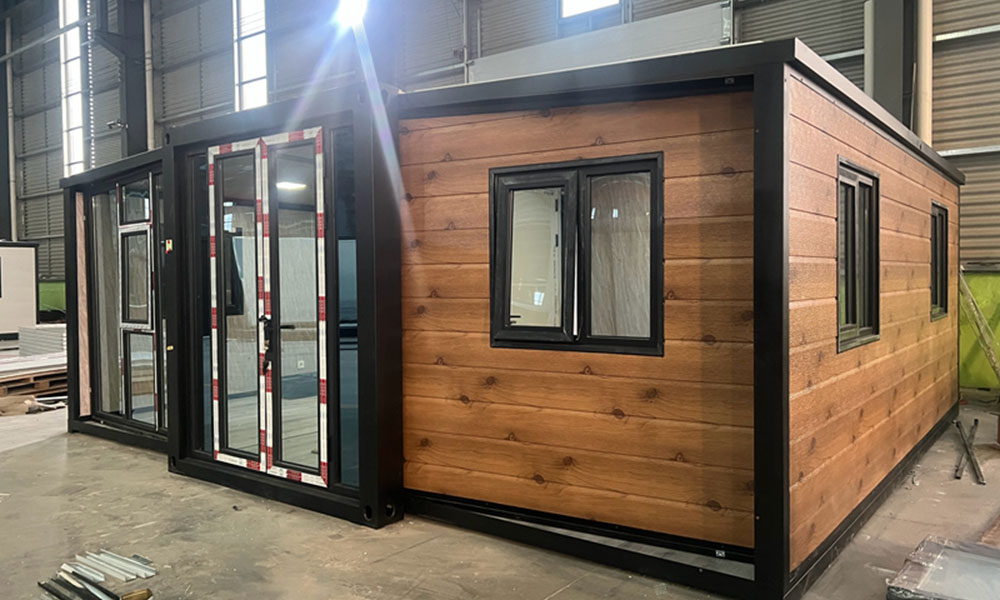
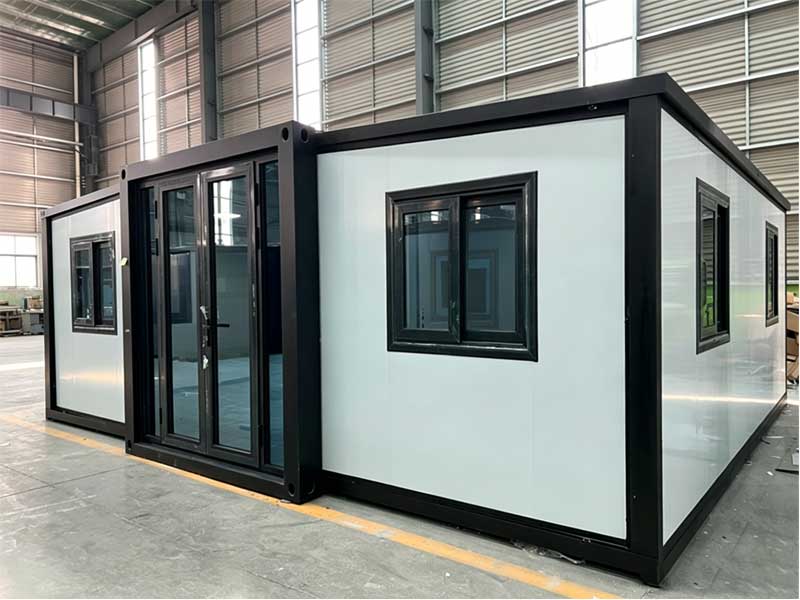
These units are professionally defined as backyard micro office pods, prefabricated residential studio capsules and compact modular workspace dwellings in engineering applications.
They are widely deployed in core markets including California ADU zones, Canadian suburban districts, Australian backyard redevelopment areas, and Northern European eco-residential zones.
Unlike temporary makeshift structures, these modular systems are positioned as long-term productivity infrastructure for residential properties.
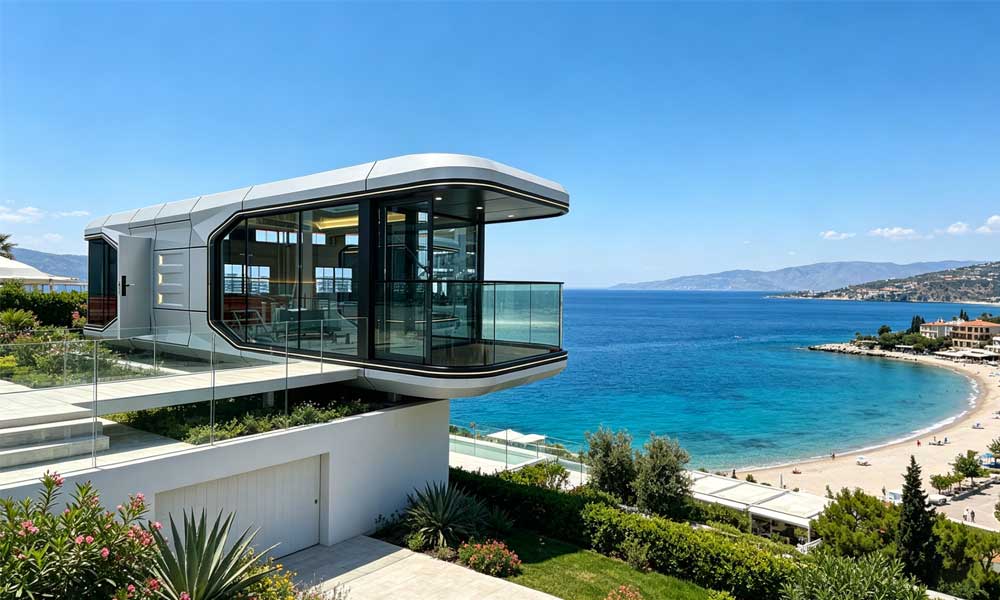
The concept of Backyard space capsule house marks a key shift. It replaces fixed, irreversible house renovations with modular, factory-built and redeployable workspace ecosystems.
Structural Shift: From Renovation Model to Modular Deployment System
Traditional home office renovation relies heavily on on-site construction methods.
Common renovation approaches include interior room conversion, garage retrofitting and permanent structural house extensions.
This model faces obvious limitations. It involves long administrative approval cycles, high labor dependence and irreversible modifications to residential properties.
In contrast, modular capsule systems adopt a full factory prefabrication model. They support ultra-fast on-site installation with minimal site destruction and disruption.
This structural upgrade is highly applicable to multiple hot markets. Typical regions include Austin tech housing zones, Toronto ADU expansion areas and Sydney backyard redevelopment corridors.
Functional Evolution: From Backyard Shed to Smart Workspace Capsule
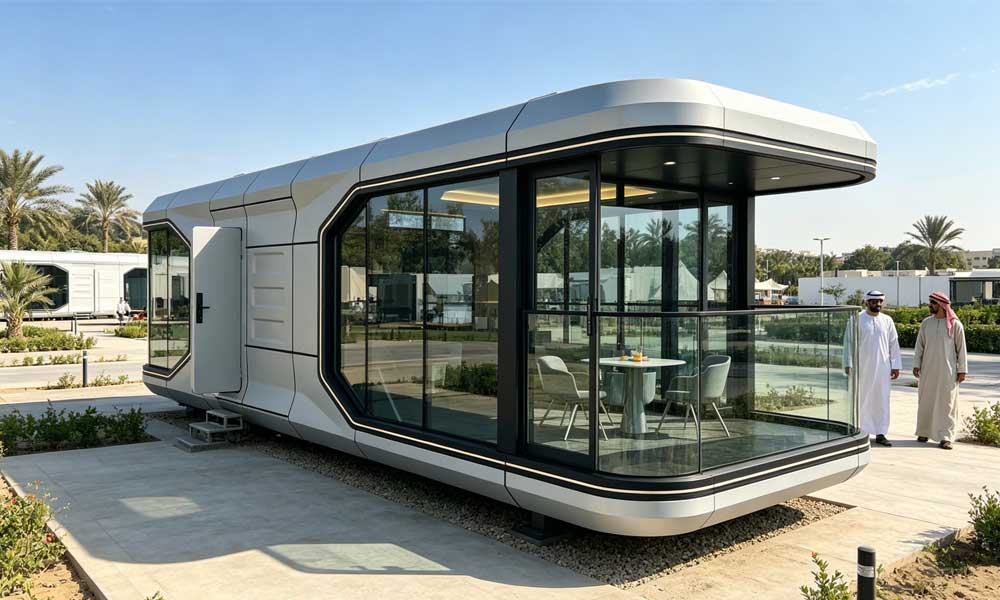
Modern backyard capsule units are no longer simple, crude prefab sheds. They integrate complete professional supporting systems for office use.
Standard configurations include professional thermal insulation, acoustic isolation layers, smart lighting systems, pre-installed electrical modules and optional solar energy integration solutions.
Regional industry naming standards vary slightly. North America defines them as backyard office capsule units, Europe uses modular garden studio pods, and Australia names them prefabricated backyard workspace cabins.
The core industry transformation is clear. These products have evolved from simple residential space extensions into professional, functional productivity infrastructure.
United States
California suburban ADU zones lead market demand. High property values raise space utilization requirements, while widespread remote work drives functional upgrading. Simplified local ADU approval policies further boost modular capsule deployment.
Canada
Vancouver and Toronto suburban markets show stable demand. Severe local climates require high-standard thermal insulation performance. Updated backyard zoning policies also provide institutional support for modular unit installation.
Australia
Sydney and Melbourne have sufficient backyard space for modular expansion. However, strong ultraviolet radiation and coastal high humidity environment demand targeted anti-corrosion and weather-resistant material upgrades.
Europe
Netherlands and Denmark prioritize green residential development. Local sustainability regulations strongly encourage prefabricated modular systems. Energy-efficient capsule workspaces have become the mainstream choice for residential renovation.
Functional & Economic Comparison
The following table intuitively reflects the practical value gap between modular capsule offices and traditional home office renovation models.
📊 Engineering & Cost Comparison Table
Category | Backyard Capsule Office System | Traditional Home Office Renovation |
|---|---|---|
Deployment Time | 1–3 days installation | 3–6 months construction |
Initial Cost Structure | Factory-based fixed cost | Variable labor + material cost |
Space Independence | Fully independent unit | Inside main building |
Mobility | Relocatable | Permanent structure |
Energy Efficiency | Optional solar + insulation system | Depends on existing building |
Noise Isolation | Dedicated acoustic design | Limited structural insulation |
Regulatory Process | Often simplified ADU approval (US/AU) | Full building permit required |
Expansion Flexibility | Modular scaling possible | Requires reconstruction |
Backyard Impact | Minimal disruption | High renovation impact |
Long-Term Value | Redeployable asset | Fixed depreciating asset |
Engineering Interpretation
The core structural advantage lies in asset reversibility. Capsule systems act as independent modular infrastructure units.
They support flexible secondary processing including relocation, functional upgrading, scene repurposing and market resale.
This reversible attribute completely changes the economic valuation logic of residential space.
Productivity Impact Mechanism
Independent backyard capsule offices bring quantifiable work efficiency improvements.
They physically separate work and living spaces, effectively eliminating daily household distractions.
This independent scene helps users achieve clear task segmentation and standardized working status.
Practical feedback from Austin suburban tech communities verifies stable work efficiency improvement after switching to outdoor modular workspaces.
Engineering Performance in Real Environments
Although modular capsule systems have strong adaptability, actual deployment still faces environmental variable factors.
Common field conditions include condensation fluctuations in cold regions, acoustic leakage in dense urban areas, and structural micro-deviation (1.5–2.4mm) caused by long-distance transportation.
In Toronto winter deployments, joint condensation problems required targeted ventilation system recalibration in the early operation stage.
In Sydney coastal zones, high humidity and strong UV radiation demanded upgraded anti-corrosion coating materials.
All these adjustments belong to conventional engineering calibration, not structural quality defects.
Economic Value Impact on Property
Backyard capsule office units effectively optimize residential property economics in three dimensions.
First, they maximize space utilization. Idle backyard areas are converted into high-value functional workspaces.
Second, they support flexible rental conversion. The independent studio structure can be transformed into rental accommodation to create additional income.
Third, they enhance property competitiveness. Houses with independent modular workspaces are more attractive to global remote workers.
California ADU market data proves units with approved backyard capsule facilities gain significantly higher buyer attention due to dual-use functional value.
Real Export Case: Hanliang Modular Backyard Deployment
Zhongshan Hanliang Integrated Housing Technology Co., Ltd. has completed multiple batch deployments of backyard capsule workspace projects worldwide.
Covered regions include California ADU backyard office projects, Vancouver residential studio installations and Melbourne backyard workspace unit projects.
California Case
Projects pass ADU compliance approval efficiently. Products are highly recognized by local remote tech practitioners.
Canada Case
Winter deployment requires enhanced thermal insulation structures. Snow leveling work leads to short-term installation delays.
Australia Case
Strong local UV radiation requires optimized surface protective coatings. Market demand for backyard independent workspaces remains robust.
Cost Efficiency Advantage
Modular capsule systems have overwhelming cost and schedule advantages over traditional renovation models.
The construction cycle is compressed from several months to just a few days. On-site construction disturbance is greatly reduced.
Factory standardized production realizes stable and controllable overall costs. It is extremely suitable for urban and suburban residential upgrading scenarios.
Limitations and Constraints
Despite comprehensive advantages, backyard capsule office systems still have objective application limitations.
Different countries and regions have inconsistent zoning and approval policies. Extreme climates require targeted customized engineering upgrades.
Deployment is restricted by backyard space size. Meanwhile, utility connection and integration also bring certain technical complexity.
Conclusion
Backyard modular capsule workspace systems represent a structural upgrade in modern residential space utilization.
Driven by the booming remote work economy, their adoption rate continues to rise across the United States, Canada, Australia and Europe.
These systems do not completely replace traditional home offices. Instead, they redefine residential workspaces as flexible, deployable and scalable modular infrastructure.
They perfectly match the spatial and functional needs of modern remote work scenarios.
Frequently Asked Questions (FAQ)
Q1: Why are backyard capsule offices becoming popular globally?
Because they support ultra-fast installation, provide independent work-living separation, and deliver better working productivity than traditional indoor home office layouts.
Q2: Are backyard capsule offices suitable for cold or coastal regions?
Yes. They can adapt to various complex climates after targeted engineering adjustments such as insulation reinforcement and anti-corrosion protection upgrades.
Q3: Do backyard capsule units increase property value?
Yes. In mainstream suburban ADU markets in the US and Australia, modular workspace units effectively improve residential functional value and market attractiveness.