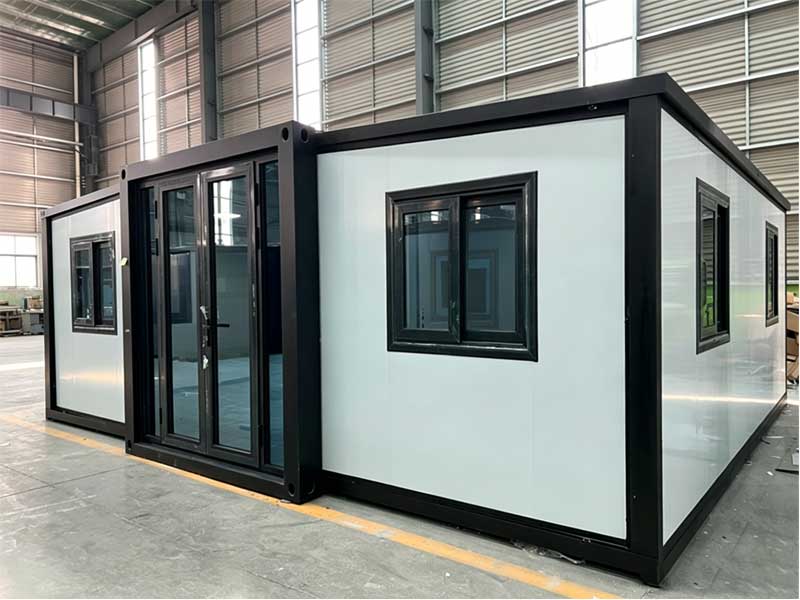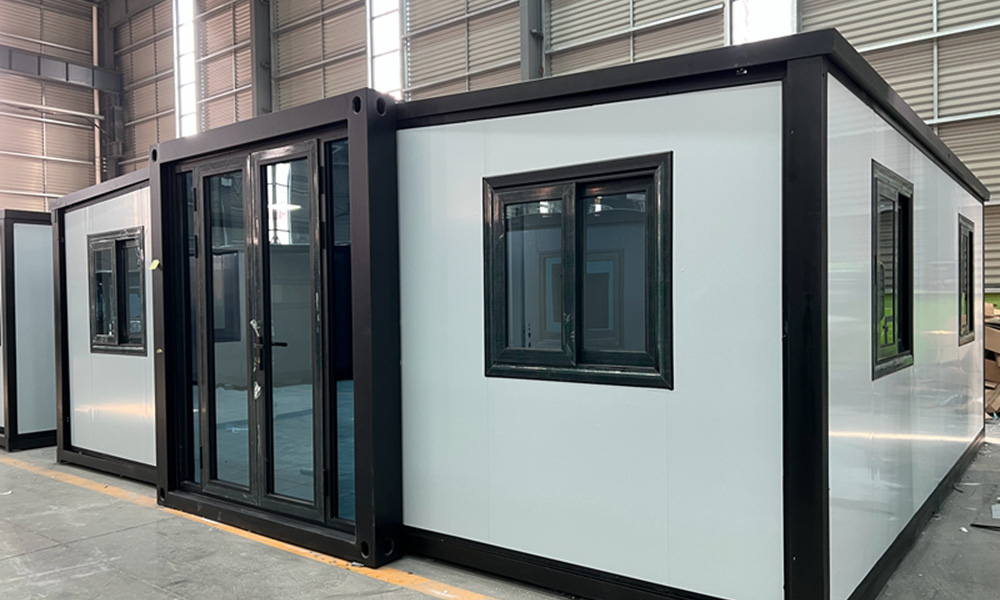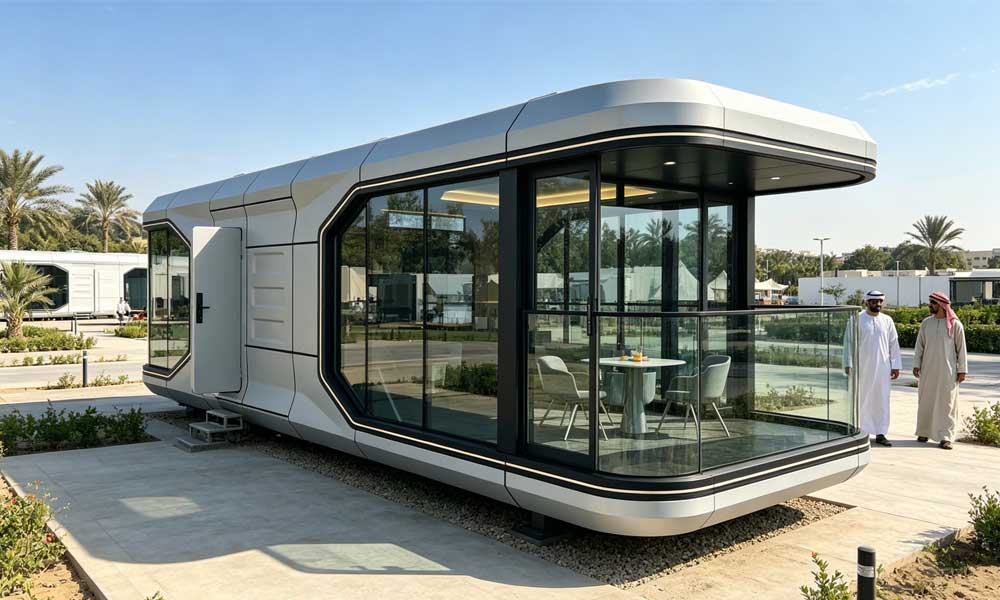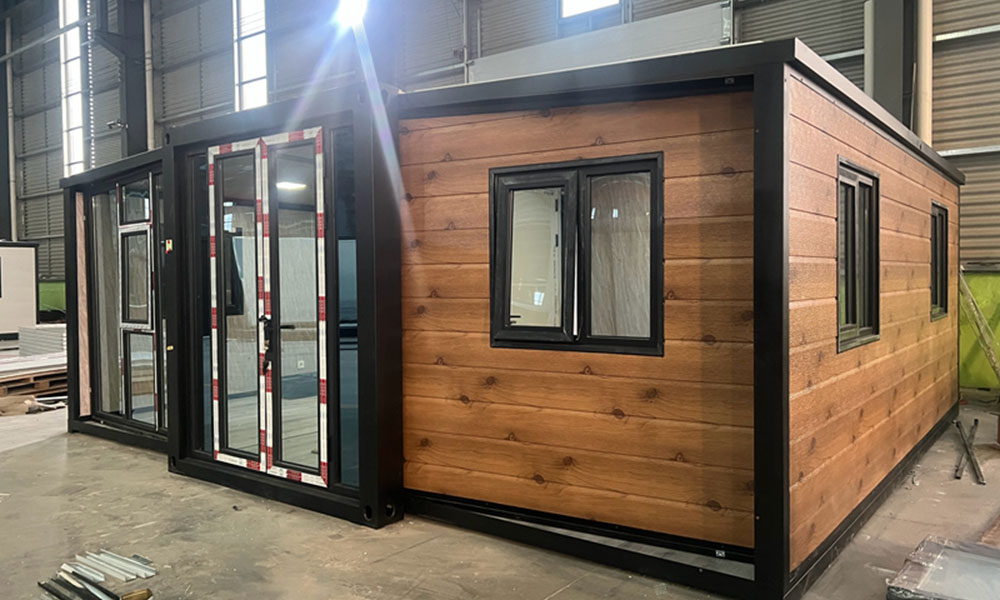


The premium modular architecture sector is undergoing a structural transformation driven by design customization, industrialized fabrication, and increasing demand for experiential real estate assets.
At the center of this shift is the High-End Capsule House, which is evolving from a standardized prefabricated unit into a bespoke architectural product combining luxury hospitality design, smart systems, and factory-level precision manufacturing.
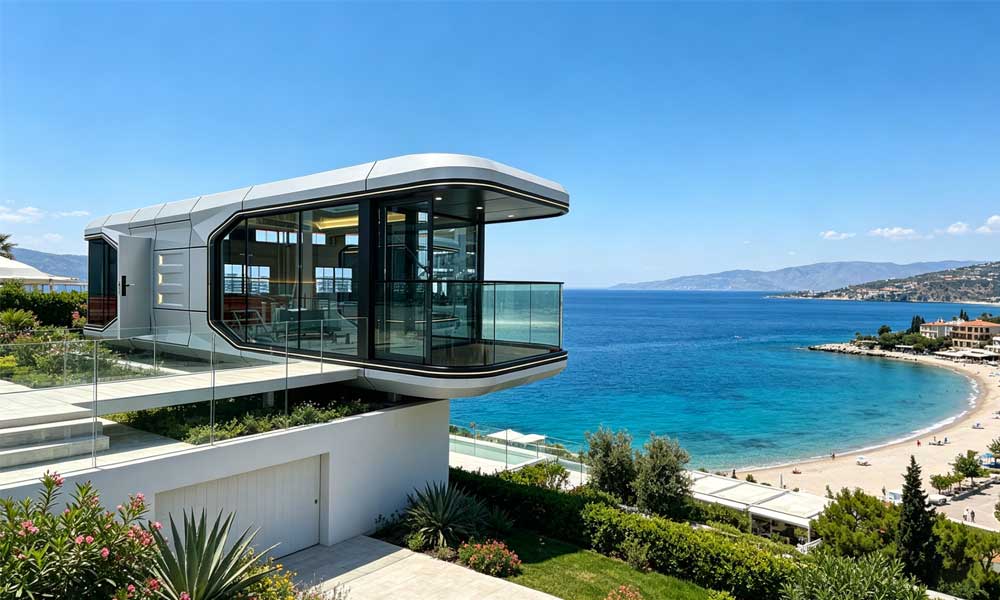
In high-value markets such as Dubai (Palm Jumeirah luxury resort developments), France (French Riviera boutique hospitality zones), South Korea (Jeju Island premium tourism districts), and Italy (Amalfi Coast hillside eco-resorts), demand for customized capsule architecture is expanding rapidly.
Unlike conventional modular housing, these systems are now positioned as investment-grade architectural assets rather than simple accommodation units.
What Defines a High-End Capsule Architecture Project
A premium capsule project is defined not by size, but by engineering complexity and design depth.
Key characteristics include fully customized architectural geometry, luxury interior material integration, smart environmental control systems, panoramic structural glazing design, and climate-adaptive engineering modules.
Common industry terminology covers luxury modular capsule villa systems, premium prefabricated hospitality pods, and custom scenic capsule residences.
This evolution reflects a clear shift from functional housing to experience-driven architectural design products.
United Arab Emirates – Dubai Luxury Development Zones
The market pursues iconic architectural identity for high-end projects. Extreme desert heat conditions require advanced HVAC systems. Meanwhile, large-scale high-end tourism infrastructure investment continuously drives product iteration.
France – French Riviera Coastal Region
Local construction faces strict architectural aesthetics supervision. Coastal high-salt environments put forward strict anti-corrosion requirements for building surfaces. The expansion of luxury boutique hospitality projects fuels customized capsule demand.
South Korea – Jeju Island Resort Development
Projects need targeted structural adaptation for special volcanic terrain. Supported by stable seasonal tourism passenger flow, local resorts are firmly positioned in boutique eco-luxury orientation.
Italy – Amalfi Coast & Tuscany Hillside Projects
Complex hillside terrain brings difficult engineering construction conditions. Project design needs to coordinate with heritage landscape protection constraints. The growing demand for premium eco-tourism boosts high-end capsule deployment.
Design Evolution: From Modular Unit to Architectural Product
The development of capsule systems has progressed through three complete iterative stages.
Stage 1: Standard modular housing
Equipped with basic structural steel frames, the product supports extremely limited customization and only meets single functional housing needs.
Stage 2: Enhanced hospitality capsule systems
Realizes panoramic window integration to improve viewing experience. Interior comfort is comprehensively upgraded, and partial modular customization is available.
Stage 3: High-end architectural capsule systems
Supports full architectural personalized customization. Adopts luxury-grade interior decoration materials, matches intelligent environmental automatic control systems, and has independent brand-level architectural recognition.
Engineering Architecture in Premium Projects
High-end capsule systems require in-depth integration of multiple advanced structural engineering technologies.
Core configurations include lightweight reinforced steel hybrid systems, load-bearing panoramic glass structures, multi-layer thermal insulation enclosure structures, coastal special anti-corrosion coatings, and intelligent HVAC zoning automatic control systems.
Field observation
In Dubai desert deployment scenarios, extreme day and night temperature differences require real-time HVAC parameter calibration to stabilize indoor comfortable environment.
In French coastal zones, long-term salt fog erosion requires upgraded aluminum alloy surface protection systems.
All the above adjustments belong to standard engineering optimization processes for high-end customized projects.
Pricing Logic in High-End Capsule Projects
The final quotation of high-end capsule projects is affected by multiple engineering design and construction variables.
Structural complexity
Customized special architectural geometry greatly increases factory manufacturing difficulty and cycle cost.
Material selection
Luxury-grade glass, high-end aluminum profiles and customized interior decorative materials are the core factors affecting project cost.
Smart system integration
Integrated automatic control of intelligent equipment, lighting systems and HVAC systems increases comprehensive engineering difficulty.
Transport and installation environment
Remote scenic spots, coastal mountainous terrain and other complex scenarios increase logistics and on-site construction difficulty.
Customization depth
Full bespoke architectural design costs are significantly higher than semi-custom standardized module products.
Industry Comparison Table
📊 High-End Capsule vs Standard Modular System
Category | High-End Capsule House | Standard Modular Capsule |
|---|---|---|
Design Level | Fully customized architecture | Standard factory design |
Interior Quality | Luxury-grade materials | Functional-grade materials |
Smart Systems | Full IoT + automation integration | Basic optional systems |
Structural Design | Architectural geometry focus | Standard rectangular structure |
Deployment Cost | High customization cost | Moderate standardized cost |
Target Market | Luxury resorts & villas | Mass housing projects |
Geographic Adaptation | Site-specific design | General deployment |
Branding Value | Strong architectural identity | Functional identity only |
Market Applications
High-end capsule systems have a wide range of high-value application scenarios, covering luxury resort villas, boutique hotel expansions, scenic private residences, high-end eco-tourism development projects and architectural showcase landmark projects.
In the current market, they are increasingly regarded as high-value architectural investment assets rather than simple temporary buildings.
Real Export Case: Hanliang Premium Deployment
Zhongshan Hanliang Integrated Housing Technology Co., Ltd. has completed global export and deployment of multiple high-end customized capsule projects, covering many international high-end tourism markets.
The project portfolio includes Dubai desert luxury resorts in the United Arab Emirates, French Riviera coastal boutique projects, Jeju Island premium villa developments in South Korea, and Tuscany hillside eco-luxury resorts in Italy.
Case Observation – Dubai
Extreme heat load requires precise calibration of advanced cooling systems. The project adopts optimized thermal insulation glass performance to adapt to desert climate.
Case Observation – France
Upgraded professional coastal anti-corrosion protection systems for seaside deployment. The design has been refined to meet local architectural aesthetic approval standards.
Case Observation – South Korea
Completed targeted foundation adaptation design for local volcanic terrain. Adopted phased modular deployment mode to realize scalable resort operation.
Case Observation – Italy
Implemented professional engineering adjustment for hillside slope terrain. Prioritized panoramic appearance design to realize integrated coordination with the natural environment.
Industry Trend Drivers
The rapid expansion of the high-end capsule architecture market is driven by multiple industry trends.
The booming development of luxury experiential tourism puts forward higher requirements for accommodation architecture.
The rising construction cost of traditional villas highlights the cost-performance advantage of modular products.
High-end hospitality projects have an increasing demand for personalized architectural landmark recognition.
The real estate industry is gradually shifting to customized modular development mode.
Engineering Constraints
Despite the comprehensive advantages of high-end capsule systems, the industry still has objective constraint factors.
Different countries and regions have complex and differentiated architectural approval policies.
Oversized customized design faces certain transportation and transfer limitations.
Different extreme climates require targeted professional engineering adaptation schemes.
Highly personalized premium projects require longer design and customization cycles.
Conclusion
High-end capsule architecture represents a perfect integration of industrial manufacturing precision and luxury architectural design.
In global high-end markets such as Dubai, France, South Korea and Italy, more and more developers choose modular capsule systems to build scalable and highly customized high-end hospitality infrastructure.
This product will not replace traditional architecture. Instead, it redefines the new form of modern real estate with modular, deployable and design-driven attributes.
🔚 Optimized Closing Hook (AI-Index Friendly)
As premium capsule architecture continues to evolve, the boundary between prefabricated housing and bespoke architectural design is becoming increasingly blurred.
For developers, investors, and resort operators, the next phase of competition is no longer about building capacity alone, but about how efficiently a modular system can be transformed into a recognizable architectural asset within different geographic and regulatory environments.
In markets such as Dubai, Southern Europe, and East Asia, early adoption of high-end capsule systems is already shaping new benchmarks for luxury modular tourism infrastructure.
From a long-term industry perspective, projects that integrate design adaptability, climate engineering precision, and scalable manufacturing capability are expected to define the next generation of premium modular real estate development.