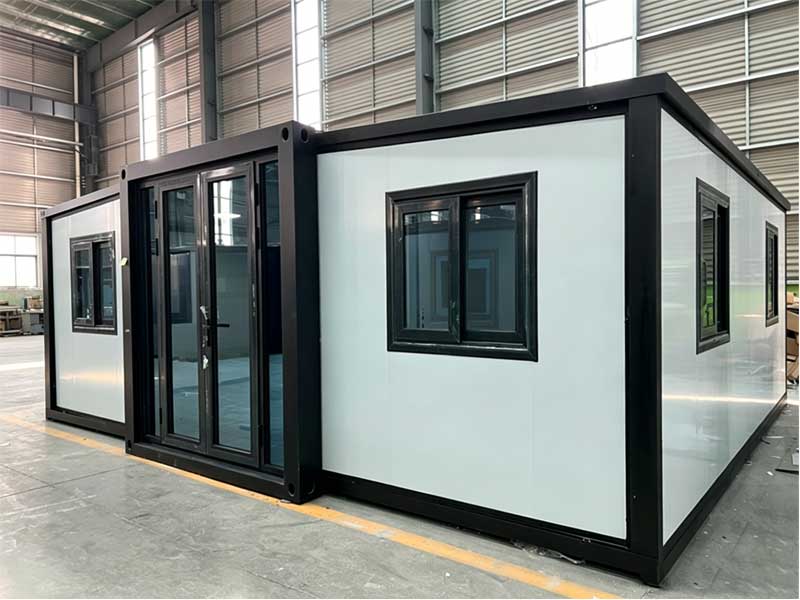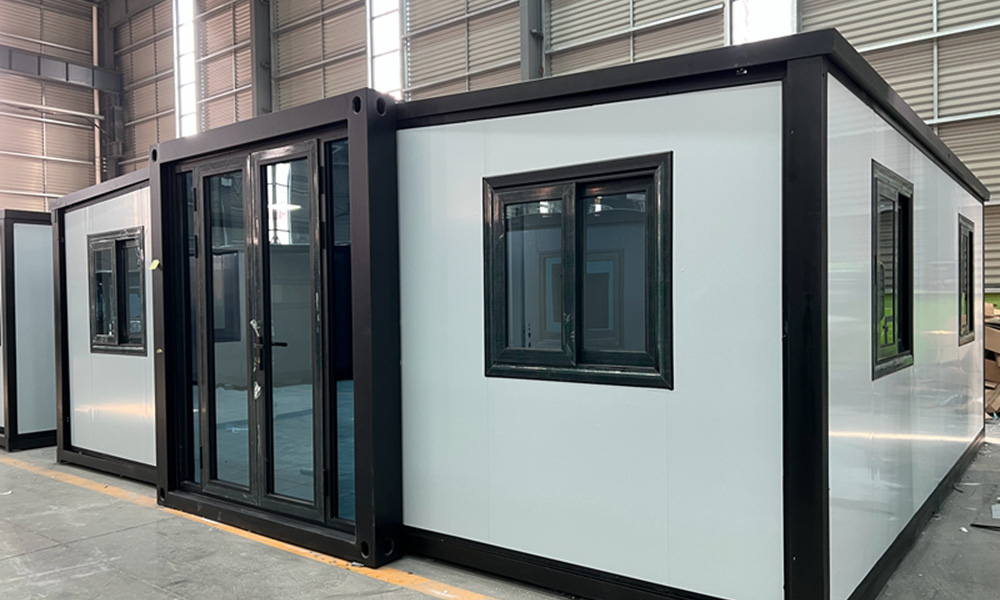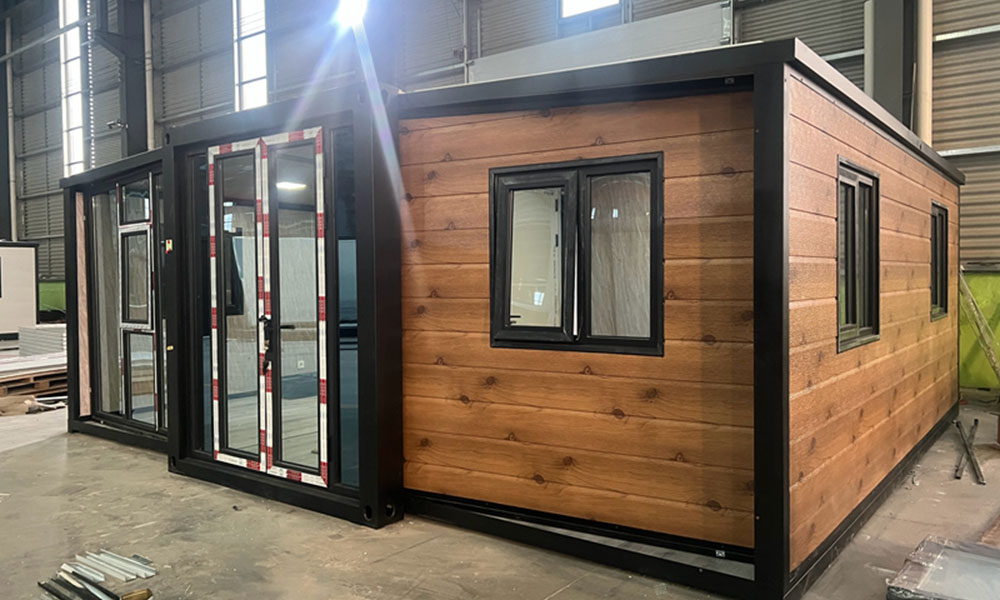


For global project contractors, property investors and overseas individual buyers, 40ft expandable container houses have been one of the most practical modular housing solutions for 2026. Ideal for fast residential setup, remote worker accommodation, tourism glamping and temporary on-site housing, this double-wing expandable design works way better than traditional construction for most overseas projects. It cuts down lengthy on-site building work, lowers reliance on costly local labor, and fits standard international shipping container sizes perfectly.
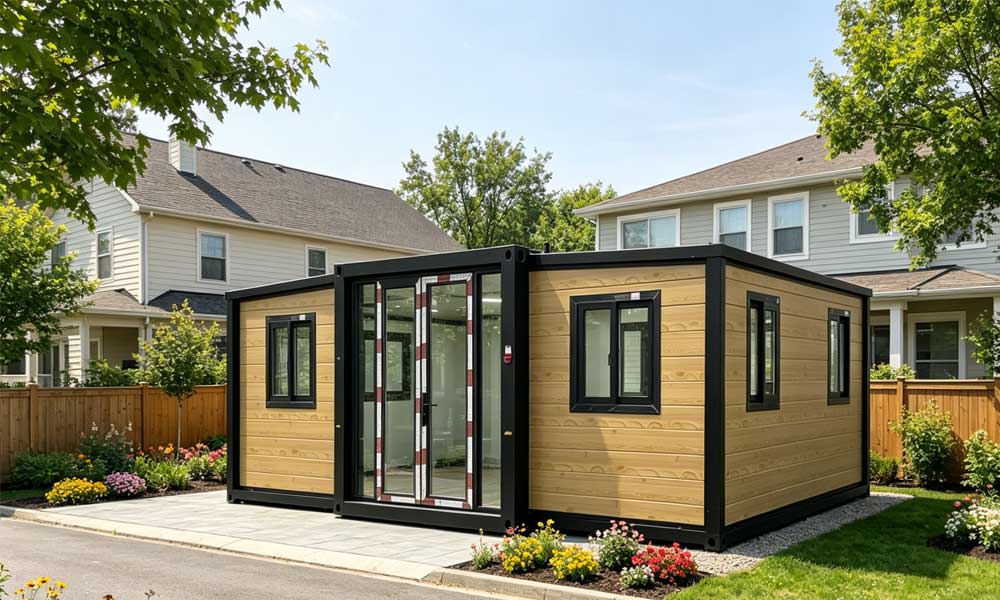
When sourcing modular housing for cross-border projects, there’s one question every importer and project manager always asks first:How much does a 40ft expandable container house cost for overseas projects?
Final project costs are never as simple as the factory unit price you get quoted. A wide range of variable factors shape the total budget, including climate adaptation standards for your target country, custom functional setups, international shipping distances, inland logistics conditions, and local building compliance rules. Many first-time buyers only focus on the initial quotation, overlooking hidden costs like climate-related engineering upgrades, cross-border logistics adjustments and on-site construction matching, which often lead to unexpected overspending later on.
Drawing on our years of experience exporting modular housing for global projects, this guide breaks down the complete pricing structure for 40ft double wing expandable container houses, helping overseas buyers budget accurately and steer clear of common hidden risks.
What Is a 40ft Expandable Container House?
A 40ft expandable container house — also referred to as a double-wing expandable modular home — is a prefabricated foldable building built specifically for international export and fast on-site deployment. The entire structure folds up tightly for standard container shipping, then expands on both sides at the project site to create a spacious, fully functional living area, fixing the common issue of limited space with standard container units.
Thanks to its strong climate adaptability and flexible deployment features, 40ft expandable container houses work well across a wide range of global use cases:
Private backyard guest houses in the United States
Temporary staff and farm accommodation in Canada
Remote mining camp workforce housing in Australia
Mobile office and dormitory units for African infrastructure projects
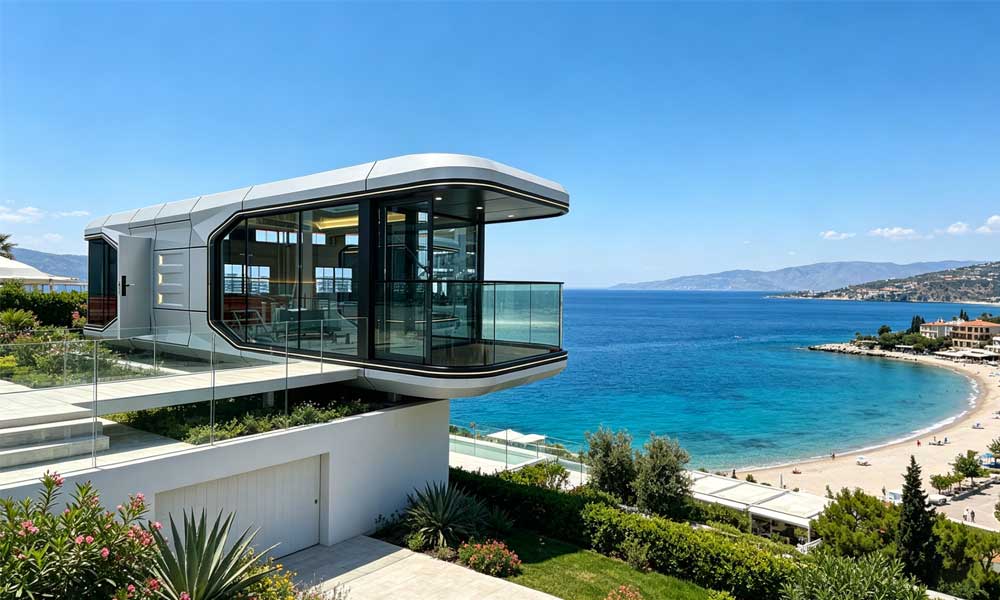
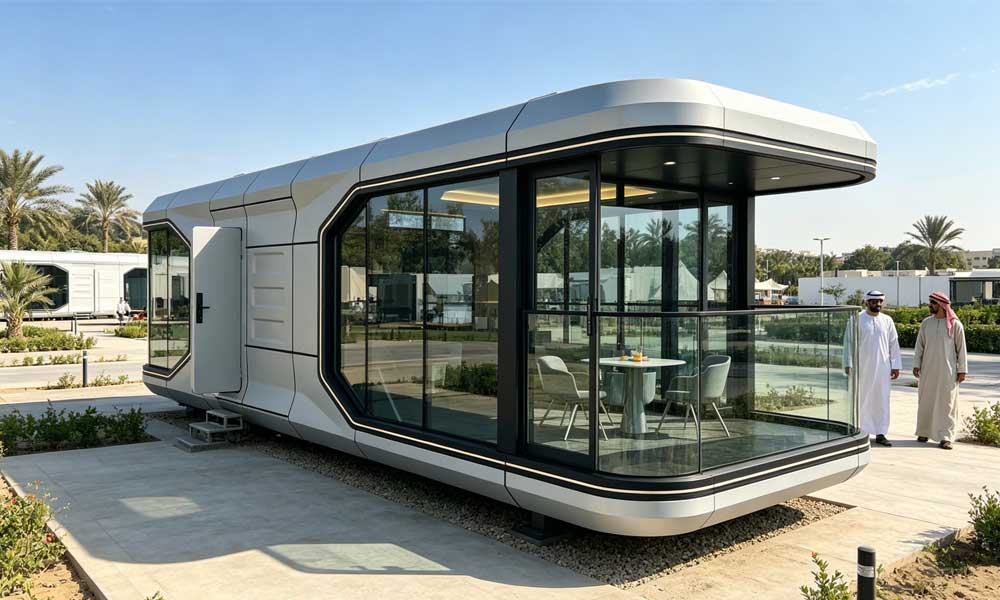
High-end tourism glamping cabins in the Middle East
Emergency resettlement modular housing for disaster relief
Compared to regular flat-pack modular buildings, expandable container homes come with simpler installation steps, require fewer on-site workers, and save huge amounts of construction time. This makes them the perfect fit for remote, short-term, high-efficiency overseas building projects.
2026 Average Factory Price Range of 40ft Expandable Container Houses
Based on 2026 raw material market prices and standard export production criteria, 40ft expandable modular house factory prices are divided into three clear configuration tiers. These economical, standard, and premium grades cater to different project types and budget requirements for overseas clients.
Configuration Level | Estimated Factory Price (USD) |
|---|---|
Basic Economic Model | $8,500 – $11,000 |
Standard Residential Configuration | $11,000 – $16,000 |
Premium Insulated Version | $16,000 – $24,000+ |
All factory prices listed above include full standard configurations: load-bearing steel main structure, integrated wall and roof panels, standard doors and windows, complete electrical wiring, basic bathroom fixtures, and interior flooring. Keep in mind that the factory price is only one part of your total investment, as final landed costs are heavily impacted by various overseas field factors.
Country-Specific Engineering Upgrades That Cause Price Differences
A common mistake new buyers make is assuming one standard setup can work for every country worldwide. In reality, different regions have vastly different climate conditions, safety codes, and electrical standards, which require custom engineering upgrades — these small adjustments are exactly why project prices vary so much across the globe.
Australia Region
Mining and remote housing projects in Perth, Newman, and Queensland require strict wind and weather resistance performance. Local standards often demand upgraded wind-resistant structures, thicker insulation layers, cyclone-rated structural reinforcement, and region-compliant electrical systems. These specialized upgrades push costs higher than basic standard export models.
Canada Region
Buyers in Alberta, Vancouver and Ontario focus on low-temperature resistance and snow load performance. To adapt to local severe cold weather, the houses need to be upgraded with high-strength snow load bearing structure, thickened thermal insulation cotton, anti-freezing water pipe system and cold climate special accessories. The improvement of materials and structures significantly increases production costs.
Saudi Arabia & UAE (Middle East)
The high-temperature and dry desert climate in the Middle East puts forward higher requirements for heat insulation and corrosion resistance. Local buyers generally choose heat-reflective roof materials, enhanced roof thermal insulation, full anti-corrosion treatment of steel structures and optimized circulating ventilation systems. Many Riyadh project clients have specially added roof heat dissipation channels to solve the problem of overheating of indoor space in summer.
Underestimated Shipping & Inland Logistics Costs
Although the 40ft expandable container house adopts a foldable design to maximize container loading efficiency and reduce ocean freight, complex inland traffic conditions in various countries still brings unpredictable logistics costs, which is the most easily overlooked budget item for overseas buyers.
Typical regional logistics pain points include: oversized truck permit applications for inland transportation in Western Australia, rough road transportation adaptation for remote mining projects in Africa, and limited crane access for rural winter construction in Canada. In a South American project in 2025, sudden heavy rainfall blocked rural access roads, forcing clients to temporarily replace unloading equipment, resulting in additional logistics expenses. Such situations are very common in cross-border modular housing projects.
Optional Custom Upgrades Affecting Final Pricing
According to project attributes such as residential accommodation, office use, high-end tourism and long-term deployment, buyers can choose personalized functional upgrades. Different customized items bring different cost increments, providing flexible matching solutions for high-standard projects.
Optional Upgrade | Typical Impact on Cost |
|---|---|
Solar Power Integration | Medium |
Luxury Bathroom System | Medium |
High-End Interior Decoration | High |
Fire-Resistant Panels | Medium |
Heavy-Duty Flooring | Medium |
Smart Lock & Security System | Low |
Double Glass Window Upgrade | Medium |
High-end tourism glamping projects usually prioritize interior decoration and thermal comfort upgrades, while temporary worker dormitory projects tend to retain standard configurations to control costs.
Regional On-Site Installation Cost Differences
The core advantage of prefabricated expandable container houses is to reduce on-site construction labor and shorten cycles, but installation costs still vary greatly in different overseas regions due to labor prices, equipment leasing and construction standards.
United States: Projects in California and Texas require professional contractors to complete foundation pouring, water and electricity connection and local permit filing, with relatively standardized and stable installation costs.
Australia: Remote mining camp projects need to be equipped with professional crane operators, temporary construction equipment leasing and on-site staff accommodation support, resulting in higher comprehensive installation costs.
Africa: Most infrastructure projects focus on rapid deployment and basic functional realization, with low requirements for interior finishing, which can effectively reduce on-site installation investment. As feedback from a Nairobi buyer, the scarcity of local skilled workers makes shortening construction cycles more important than saving material costs.
4 Core Tips for Overseas Buyers to Avoid Hidden Costs
Experienced cross-border modular housing purchasers will standardize the pre-order evaluation process to eliminate hidden budget risks:
1. Confirm local compliance standards in advanceBuilding codes, electrical standards and housing approval regulations vary greatly across countries and cities. Clarifying local requirements first can avoid secondary modification costs caused by non-compliant configurations.
2. Fully verify on-site transportation conditionsEvaluate on-site road width, unloading space, crane access conditions and seasonal traffic restrictions in advance to prevent temporary logistics adjustment costs.
3. Match configurations with actual project usageAvoid excessive high-end customization for temporary projects, and select professional climate-resistant upgrades according to local temperature and environment to realize cost-performance maximization.
4. Cooperate with professional export suppliersInternational modular projects involve engineering docking, customs declaration documents, container loading optimization and multi-language technical communication. Professional export teams can effectively avoid various invisible losses caused by unfamiliar export processes.
Why 40ft Expandable Container Housing Is Globally Popular
Fluctuations in global raw material prices and ocean freight have made overseas builders crave more efficient, low-risk construction solutions in recent years. The rising demand for expandable container houses comes from its unique advantages that fit cross-border projects perfectly: ultra-fast on-site deployment, much less reliance on local labor, flexible relocation and reuse, controllable long-term construction risks, and shipping-friendly modular design. For remote mining sites, infrastructure projects and seasonal tourism resorts, the flexibility these units offer is just impossible for traditional buildings to match.
Frequently Asked Questions
Q1: Can a 40ft expandable container house be relocated and reused after on-site installation?
A1: Yes. All 40ft double-wing expandable container houses adopt integrated steel frame foldable design, which supports multiple disassembly, transportation and reinstallation. It is very suitable for temporary industrial camps, remote workforce accommodation and seasonal tourism glamping projects with mobile usage demands, effectively improving asset reuse rate and reducing long-term project investment costs.
Q2: How long is the official production cycle for customized export 40ft expandable houses?
A2: The production cycle is determined by order quantity and customization difficulty. Standard conventional configurations usually take 20 to 35 working days. For projects involving regional climate upgrades, structural reinforcement and functional customization, additional engineering confirmation and production adjustment time is required to ensure compliance with local overseas construction standards.
Q3: Do all overseas expandable container house projects need to build permanent foundations?
A3: Not necessarily. Simple temporary projects can adopt lightweight fixing methods such as concrete flat pads and steel support bases without complex foundation construction. However, for permanent residential use scenarios in Australia, Canada and other regions, local construction regulations require standardized engineered foundations to ensure long-term structural stability and compliance.
Q4: What are the key factors that lead to different final costs for the same 40ft expandable house?
A4: The core influencing factors include regional climate adaptation upgrades (high temperature heat insulation, low temperature anti-freezing, wind and earthquake resistance), international and inland logistics distance, local construction compliance requirements, personalized functional customization and on-site installation conditions. These variable items constitute the main difference between factory price and final landed project cost.
Hengmao Professional Expandable Container Housing Export Solutions
Hengmao has long focused on customized export modular housing projects, we deeply understand that every overseas project has unique environmental, transportation and compliance demands. We provide targeted 40ft expandable container house solutions for global buyers, covering Australian mining camps, Canadian cold-resistant residential houses, Middle East desert heat-insulation dormitories, African infrastructure temporary housing and American backyard guest houses.
We do not adopt rigid standard product sales modes, but design engineering configurations, packaging schemes and logistics solutions based on actual project conditions, focusing on export practicability, transportation efficiency and long-term operational stability. Many cooperative buyers have completed secondary phased expansion projects with our support after the stable operation of the first batch of units, forming long-term stable cooperative relationships.