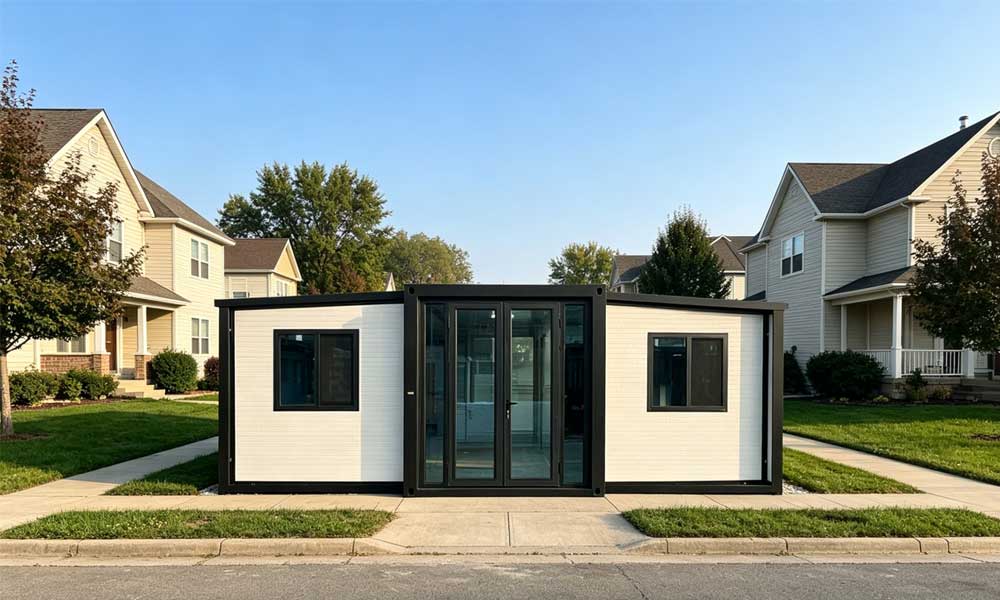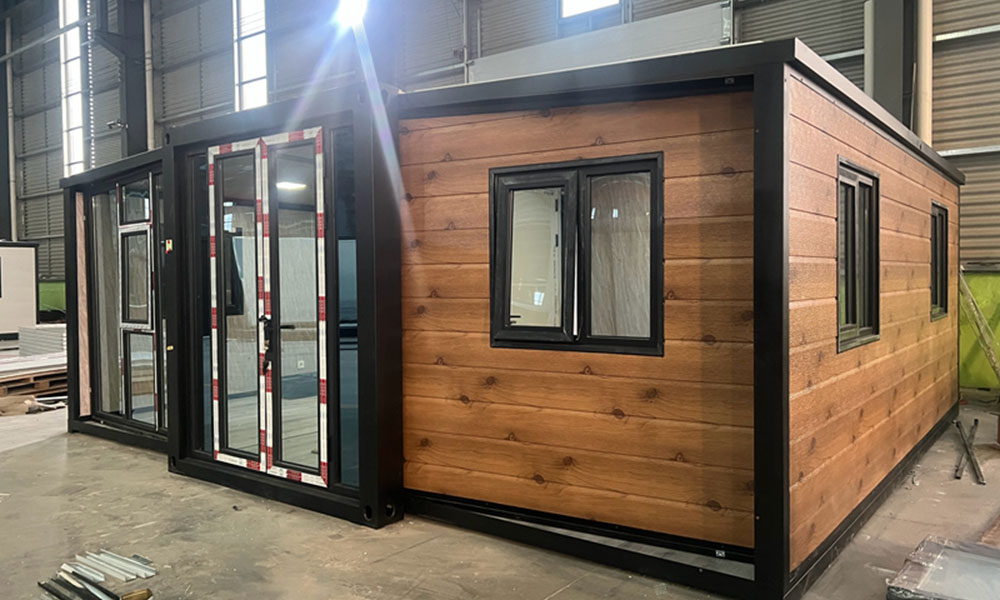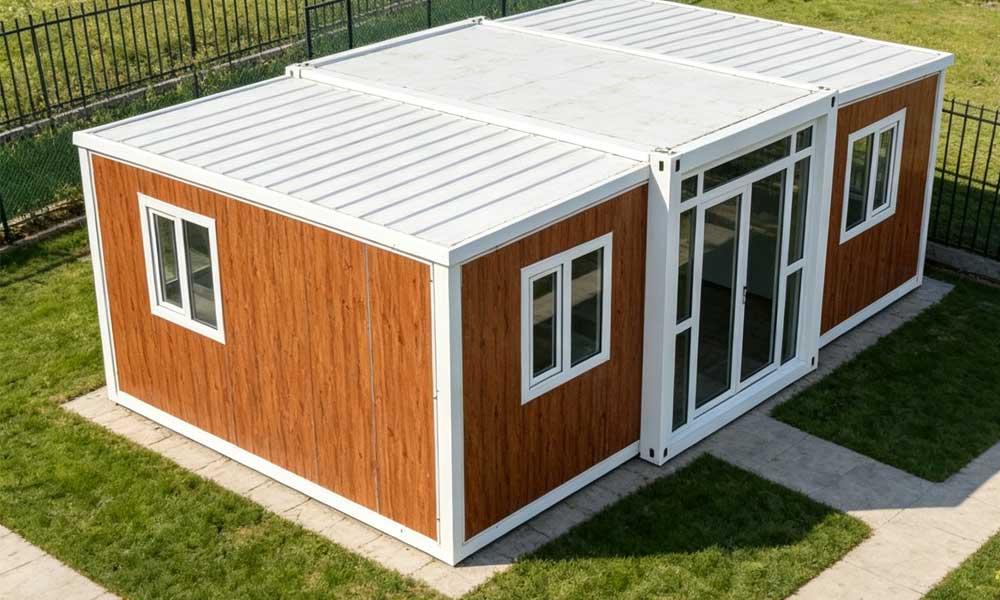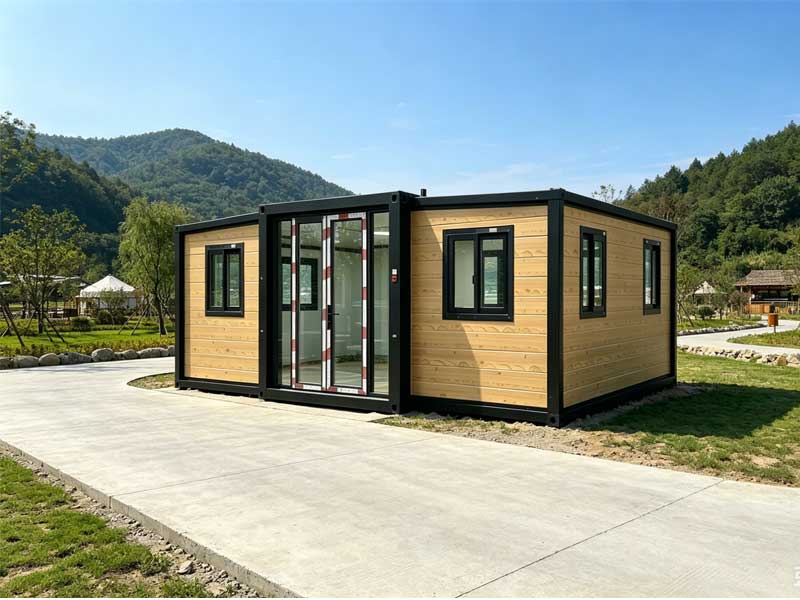



In recent years, modular and prefabricated housing has become a mainstream trend in the UAE’s urban renewal and tourism development. As a lightweight, eco-friendly, and cost-effective modular building solution, capsule villas are widely adopted in Dubai’s coastal scenic areas, Abu Dhabi’s suburban residential zones, and Sharjah’s rural tourism projects. Different from traditional concrete buildings, portable capsule villa construction in the UAE follows exclusive federal and emirate-level building regulations. Understanding these standardized rules is essential for developers, investors, and contractors to launch legal and compliant modular capsule house projects across different emirates.
Rising Popularity of Modular Capsule Villas Across UAE Urban and Tourist Zones
The UAE has been promoting smart construction and low-carbon urban transformation in recent years, supporting the development of prefabricated modular buildings to reduce construction waste and shorten project cycles. Modern prefab capsule villas feature flexible layout, fast installation, and minimal land occupation, perfectly matching the construction demands of temporary residential housing, boutique homestays, scenic service rooms, and commercial exhibition spaces in Dubai, Abu Dhabi, and Ras Al Khaimah. Unlike fixed traditional buildings, movable capsule house structures can be adjusted according to land planning requirements, making them highly suitable for the UAE’s dynamic urban construction and tourism upgrading plans. Such unique advantages have made UAE low-carbon capsule villa projects increasingly popular among local developers and foreign investment enterprises.
Federal and Emirate-Specific Building Codes for Capsule Villa Projects
UAE capsule villa construction complies with unified federal building standards and differentiated local codes issued by each emirate. The Federal Decree Law No. 25 of 2025, which takes full effect in June 2026, updates the construction contract and structural safety regulations for all modular buildings across the country, laying a new legal foundation for modular capsule villa construction. At the local level, Dubai implements the Dubai Building Code (Decree No. 45 of 2021), while Abu Dhabi abides by Law No. 1 of 2011 for residential construction management, and Sharjah formulates targeted environmental and land use restrictions for scenic modular buildings.
A core rule for modular capsule villa construction in the UAE is the classification management of prefabricated structures. All lightweight capsule buildings must be classified as temporary or permanent structures during project registration, with different design standards and validity periods applying to each type. Permanent capsule villas used for long-term residence need to meet unified seismic resistance, fire prevention, and thermal insulation standards, while temporary tourist capsule houses can adopt simplified specifications under the premise of ensuring basic safety.
Mandatory Permit Procedures for Capsule Villa Construction
Legal permit application is the core step to launch compliant UAE portable capsule villa construction projects. Since late 2025, Dubai has launched an accelerated licensing system for residential modular buildings, allowing accredited consulting institutions to complete preliminary compliance reviews and issue quick construction permits, greatly shortening the approval cycle from 6-8 weeks to 2-3 weeks. In Abu Dhabi, all capsule villa projects must complete environmental impact assessment and geotechnical survey before applying for construction approval, ensuring the building adapts to local desert geological conditions and wind resistance requirements.
For small-scale capsule house clusters in Sharjah’s tourist areas, developers need to submit land use approval documents, modular structure design drawings, and fire safety inspection reports to the municipal government. It is worth noting that all construction and design enterprises undertaking UAE capsule villa projects must hold valid local engineering qualification certificates, and overseas contractors need to complete local filing and qualification verification before construction.
Safety and Environmental Compliance Standards
Safety and environmental protection are the key inspection indicators for UAE modular capsule villa compliance. All capsule building structures must comply with the UAE Fire and Life Safety Code, adopting fire-retardant and heat-insulating lightweight materials suitable for high-temperature desert environments. The structural design must meet the national seismic resistance standards and wind resistance requirements to cope with frequent sandstorms and strong winds in the UAE. In terms of energy conservation, modern low-carbon capsule villas must be equipped with energy-saving ventilation systems and rainwater recycling devices to meet the UAE’s sustainable development goals.
In addition, the UAE implements a ten-year decennial liability system for construction projects. Contractors and design institutions are jointly responsible for structural quality problems of capsule villas within ten years after project delivery, and any structural defects discovered within the liability period must be repaired and rectified in accordance with legal provisions.
Common Compliance Mistakes for Overseas Capsule Villa Investors
Many foreign investors often encounter compliance risks when deploying capsule villa projects in the UAE. The most common mistake is ignoring emirate-specific differentiated rules, applying Dubai’s construction standards to Sharjah or Ajman projects, resulting in approval failures. Another frequent problem is failing to distinguish between temporary and permanent capsule house attributes, leading to non-compliant design standards and subsequent demolition risks. In addition, overdue permit renewal and unqualified material certification are also common reasons for project rectification and penalty.
To ensure full compliance, investors are advised to cooperate with local certified engineering consultants before project launch, complete standardized design and material screening according to local emirate rules, and strictly follow official approval processes to avoid legal risks.
FAQ
1. What permits are required for building capsule villas in the UAE?
UAE capsule villa construction requires land use approval, modular building construction permits, fire safety inspection certificates, and environmental compliance reports. Different emirates have differentiated approval processes, with Dubai supporting fast-track licensing for qualified modular projects, while Abu Dhabi requires mandatory geotechnical surveys and environmental assessments.
2. Are movable capsule houses legal for long-term residence in the UAE?
Yes. Movable capsule houses that pass structural safety, fire prevention, and energy efficiency inspections and obtain permanent construction qualifications can be used for long-term residential purposes in the UAE. Only unregistered temporary capsule buildings are limited to short-term tourism and commercial use.
3. What are the core safety standards for UAE capsule villa construction?
Core standards include UAE national seismic and wind resistance design specifications, desert high-temperature heat insulation and fire-retardant material requirements, energy-saving and environmental protection codes, and ten-year structural quality liability regulations, ensuring the buildings adapt to the UAE’s unique desert climate and urban construction norms.