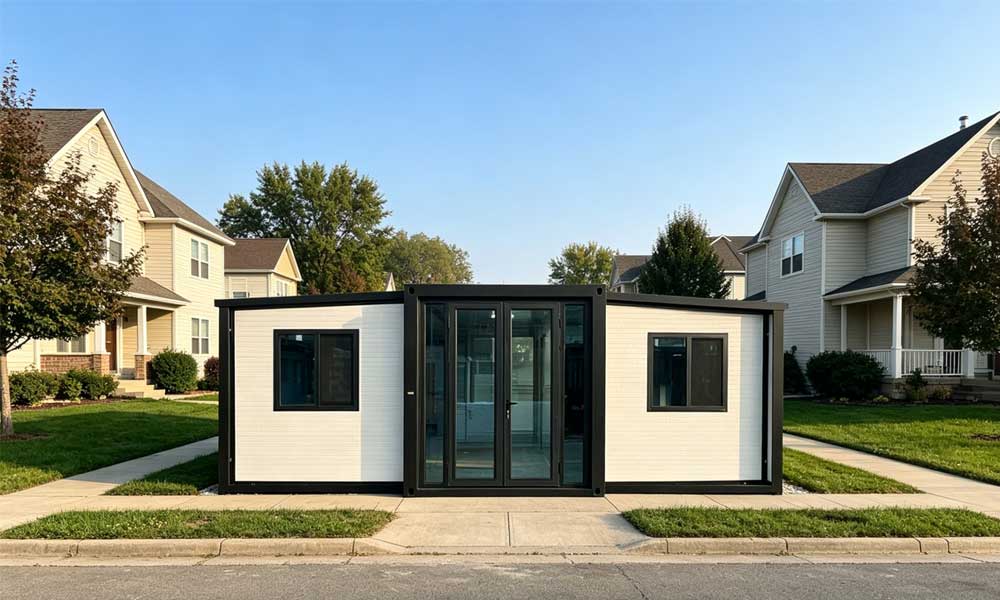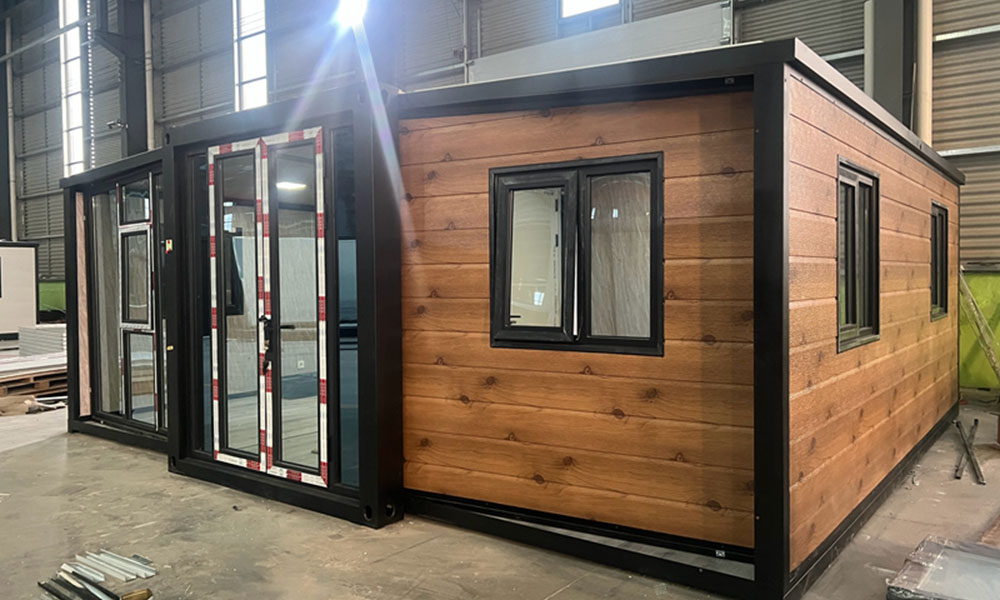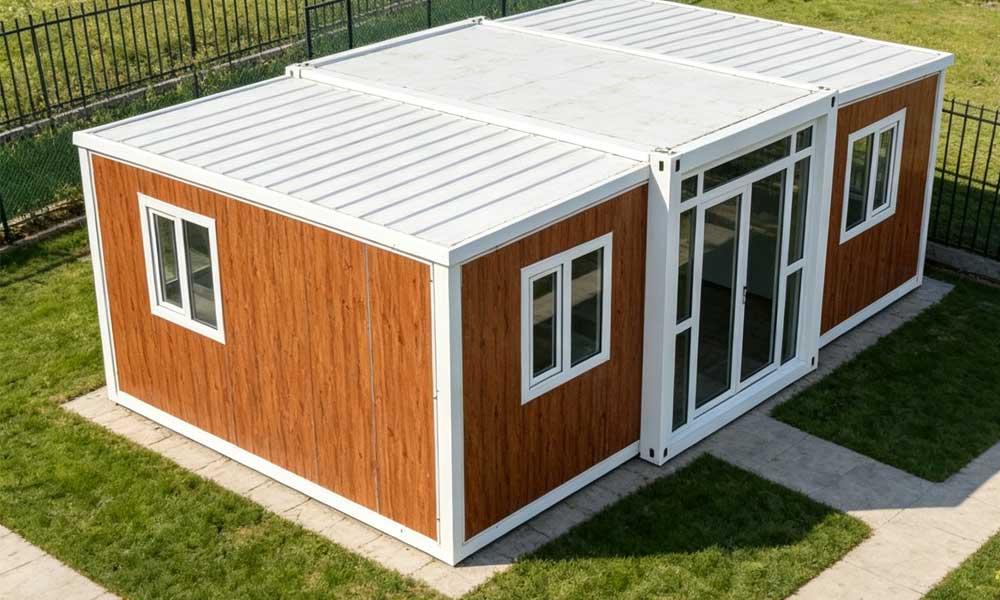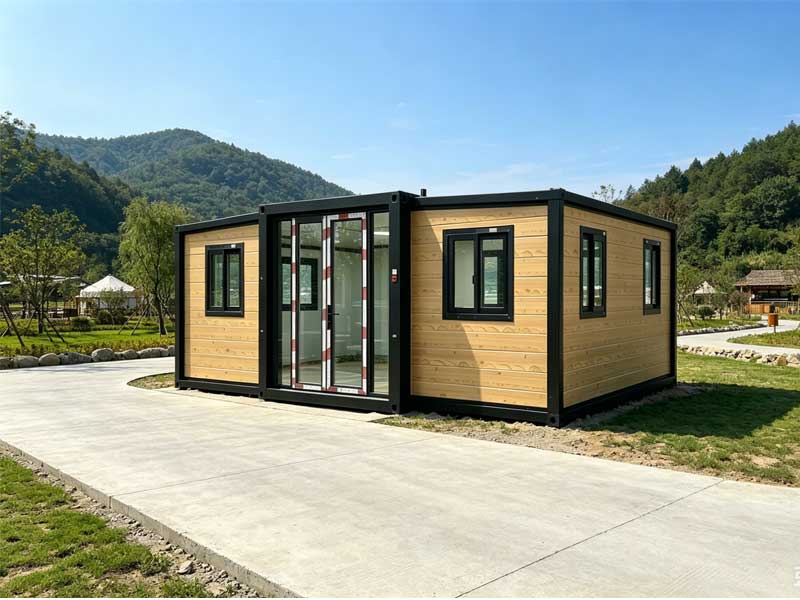


Australia’s demand for expandable modular housing continues to grow across residential, commercial, mining, tourism, and rural sectors. In 2026, more developers and private buyers are looking for faster installation methods, lower transportation costs, and flexible building solutions that can adapt to remote locations and changing project needs.
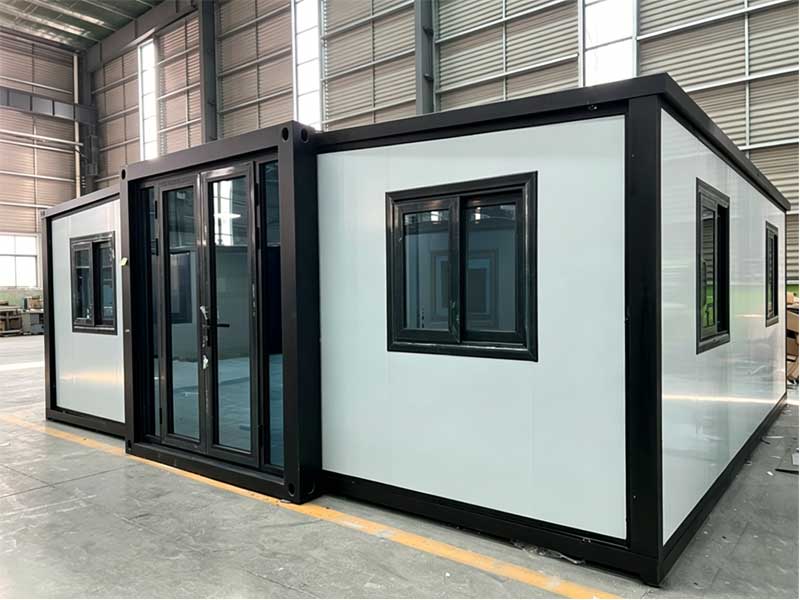
Among the fastest-growing categories is the double wing expandable container house. From backyard accommodation in Melbourne to remote workforce housing in Western Australia, expandable modular systems are increasingly being considered as alternatives to traditional construction. However, many overseas buyers underestimate one critical factor: Australian compliance requirements are highly technical and region-specific.
For projects involving a double wing expandable house in Australia, approval is not determined by product appearance or shipping format alone. Councils, certifiers, and engineers focus on structural safety, climate suitability, installation methods, and long-term occupancy standards. This guide explains the key compliance areas buyers should understand before importing or installing expandable container houses in Australia.
Expandable Container Houses Are Assessed as Standard Buildings
One of the most common misconceptions is that expandable container houses are treated differently because they can fold during transportation. In reality, once installed for residential occupancy, workforce accommodation, tourism lodging, farm housing, or commercial office use, the structure is fully regulated under local Australian building rules.
For permanent expandable container home projects across Australia, approval authorities conduct comprehensive assessments covering structural integrity, wind resistance, fire safety, insulation performance, plumbing systems, electrical compliance, and professional site installation methods. The folding mechanism itself does not affect approval outcomes. What determines compliance is the overall safety and performance of the completed building after full on-site installation.
NCC 2022 Compliance Serves as Core Approval Foundation
Nearly all Australian modular housing approvals are governed by the National Construction Code 2022 (NCC 2022), which sets unified national baseline standards for structural safety, energy efficiency, fire resistance, waterproofing, electrical systems, and plumbing systems.
To help buyers clearly understand core compliance audit priorities for Australian expandable house projects, the key NCC 2022 compliance areas and their respective review focuses are sorted in detail below:
Compliance Area | Typical Focus |
|---|---|
Structural safety | Wind loads, frame stability |
Energy efficiency | Insulation and thermal performance |
Fire resistance | Wall systems and external materials |
Waterproofing | Roof drainage and sealing |
Electrical systems | Wiring safety compliance |
Plumbing systems | Wastewater and water connections |
Compliance for expandable housing systems is project-specific rather than based solely on product design. The same expandable modular structure often requires targeted engineering adjustments according to local climate regions, wind zone classifications, bushfire exposure levels, actual site conditions, and intended occupancy types. Buyers sourcing an NCC-compliant expandable house for Australian projects must prioritize site-specific customization over generic standard export designs.
Queensland Coastal and Cyclone Region Engineering Standards
Northern Queensland maintains some of Australia’s strictest building standards due to frequent cyclone activity and strong coastal winds. Expandable houses deployed in these high-risk wind zones require professional cyclone-rated engineering upgrades to meet local certification requirements.
Local engineers and building certifiers focus heavily on roof uplift resistance, reinforced wall bracing systems, structural locking points after full expansion, heavy-duty foundation anchoring methods, and high-tensile fastening specifications. Additionally, coastal Queensland projects require enhanced anti-corrosion protection to resist persistent salt spray erosion. Generic inland modular designs cannot meet coastal and cyclone zone standards without professional structural modification.
Victoria and New South Wales Prioritize Residential Comfort and Energy Efficiency
Southern Australian states including Victoria and New South Wales place stricter emphasis on long-term residential usability, thermal comfort, and energy efficiency, especially for permanent living and backyard auxiliary accommodation projects.
Fully insulated expandable container homes in Melbourne and backyard expandable studios in Sydney are strictly reviewed for wall insulation R-values, roof thermal performance, professional condensation prevention systems, double-glazed window configurations, and balanced ventilation layouts. As ADU (Accessory Dwelling Unit) demand rises rapidly in suburban areas, more buyers prioritize energy-saving performance and living comfort over basic temporary building functionality for long-term rental, family accommodation, and rural guest housing projects.
Bushfire-Prone Zones Require Specialized Fire Protection Design
Bushfire safety is a non-negotiable compliance item for regional and rural modular housing projects across Australia. Expandable modular homes located in bushfire-prone areas must comply with national bushfire construction regulations to obtain building approval.
Certifiers typically require fire-resistant external cladding systems, ember-resistant ventilation structures, fire-rated glazing configurations, and professional roof edge protection treatments. These standards are particularly critical for tourism accommodation built near forested and high-risk bushfire regions. Since bushfire classification standards vary by exact site location, buyers must confirm local zone requirements before finalizing production specifications to avoid approval delays.
Structural Engineering Documentation Determines Approval Success
Australian building approval mechanisms rely heavily on complete, standardized engineering documentation, which is the core basis for council and private certifier review. Steel frame expandable container house projects must provide full technical drawing and calculation reports to prove structural compliance.
Complete structural drawings need to detail main steel framing components, wall reinforcement layouts, roof support structures, and stable expansion locking mechanisms. Professional wind load calculations are mandatory for coastal installations, open farmland sites, elevated rural locations, and northern cyclone regions to verify wind resistance compliance.
Meanwhile, clear foundation connection details including slab connection schemes, pier footing parameters, ground anchoring systems, and structural tie-down methods are required to prove overall building stability. Incomplete or non-standard engineering documents are the leading cause of approval delays for imported modular buildings.
Expandable Housing Excels in Remote Australian Project Scenarios
The biggest market advantage of double wing expandable container houses in Australia is outstanding logistics adaptability for remote construction sites. Different from traditional fixed-size prefab buildings, expandable structures fold into standard container dimensions during transportation, greatly reducing shipping volume and inland transit costs.
This unique advantage perfectly matches project demands in Western Australia mining regions, Northern Territory workforce camps, remote farm developments, and inland tourism bases. Compact transportation sizes effectively lower inland trucking expenses, eliminate oversized cargo permit requirements, and simplify site delivery and unloading difficulties, helping project owners control total construction costs in remote areas with inconvenient transportation.
Standard Site Preparation Is Mandatory for All Deployments
Although expandable modular houses feature fast on-site installation, they do not exempt from Australian standard site preparation and land-use regulations. All formal projects require standardized foundation and supporting infrastructure construction before building deployment.
Typical site preparation work includes concrete slab or independent footing construction, professional stormwater drainage planning, reserved electrical connection infrastructure, complete wastewater management systems, and accessible vehicle and crane operation areas. Even backyard expandable container studio projects in Brisbane and other urban areas need to comply with building setback rules, height restrictions, drainage assessment, and occupancy classification reviews. Fast installation efficiency never replaces local planning and construction compliance requirements.
Coastal Moisture and Corrosion Resistance Compliance Standards
Australia’s diverse climatic environments put forward higher durability requirements for modular buildings, especially coastal areas with long-term salt spray and tropical regions with high humidity.
Coastal expandable house projects need professional anti-corrosion treatment solutions, including high-standard galvanized steel coatings, integrated structural anti-rust treatment, enhanced waterproof sealing systems, and weather-resistant exterior finishes. These upgrades are essential for long-term structural durability in Western Australian coastal zones and other seaside project locations. Tropical high-humidity areas also require customized condensation control and enhanced ventilation designs to avoid internal moisture accumulation and structural damage.
Real Project Case: 2025 Western Australia Remote Accommodation Project
In 2025, Hengmao cooperated with a local contractor to deliver customized expandable accommodation units for a regional infrastructure project in Western Australia. The client initially focused only on reducing port-to-inland transportation costs and pursued basic folding transportation advantages.
After professional engineering communication and local standard evaluation, the project team adjusted core priorities to adapt to local harsh environmental conditions, including wind resistance structural upgrades, overall anti-corrosion structural treatment, enhanced roof thermal insulation, and reinforced foundation anchoring systems. Facing year-round high temperatures and seasonal strong winds in the project area, targeted pre-production modifications ensured full compliance with local building standards.
The project coordinator confirmed that completing standard compliance confirmation and engineering optimization before production effectively avoided on-site installation adjustments and approval delays, greatly improving overall project efficiency.
Common Compliance Issues for Imported Expandable Modular Buildings
Most imported expandable house approval delays stem from generic international design standards that fail to match Australian regional technical requirements. Many overseas manufacturers design products based on universal export specifications, ignoring Australia’s strict site-differentiated compliance rules.
Common problems include missing professional wind load engineering data, substandard insulation specifications that cannot meet NCC 2022 energy efficiency requirements, incomplete foundation matching parameters, non-compliant electrical layout designs, and insufficient waterproofing performance for coastal climates. For Australian buyers, selecting suppliers with professional local compliance customization capabilities is far more important than pursuing the lowest factory unit price.
Frequently Asked Questions
Q1: Can a double wing expandable house be approved for permanent residential use in Australia?
A1: Yes. Double wing expandable houses can obtain official approval for permanent residential occupancy as long as they fully meet Australian local structural safety, thermal insulation, electrical safety, plumbing drainage, and land planning compliance standards.
Q2: Are expandable container houses suitable for cyclone-prone regions in Australia?
A2: Yes. With professional cyclone-resistant engineering upgrades, reinforced structural frames, and high-strength anchoring systems, expandable houses can fully adapt to the wind resistance requirements of Queensland and other cyclone-prone areas.
Q3: Do expandable houses require foundations in Australia?
A3: Yes. All formal installed expandable houses need compliant slab footings or professional structural anchoring systems. Specific foundation solutions are determined according to site soil conditions, wind zones, and building occupancy types.
Hengmao Double Wing Expandable Housing Solutions
Hengmao provides customized double wing expandable houses, portable accommodation units, and steel frame modular systems tailored to Australian diverse project environments and compliance standards. Covering cyclone-resistant expandable housing for Queensland coastal projects, anti-corrosion remote workforce accommodation for Western Australia mining sites, and high-insulation backyard expandable studios for Melbourne suburban ADU projects, Hengmao focuses on standardized engineering coordination, climate adaptive optimization, and full-set compliance preparation.
All Hengmao expandable housing products prioritize efficient transportation, fast on-site installation, and long-term structural durability, fully adapting to residential, commercial, mining, tourism, and rural modular building demands across Australia.