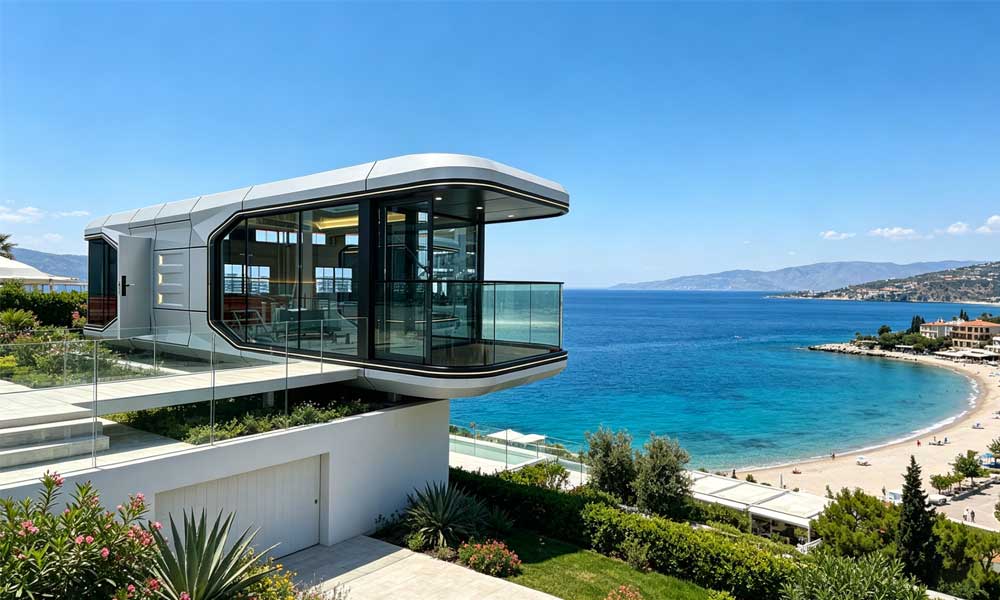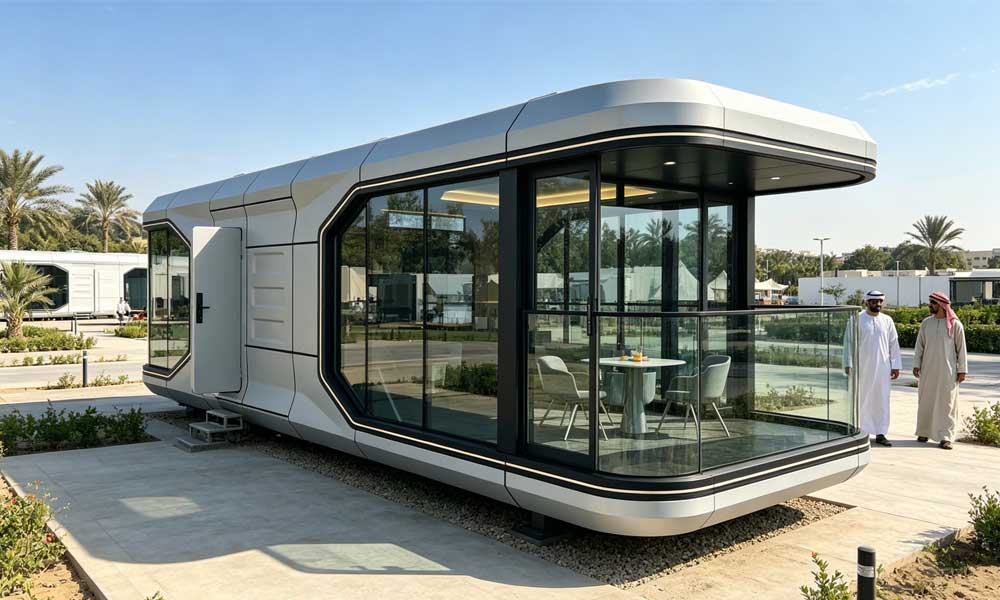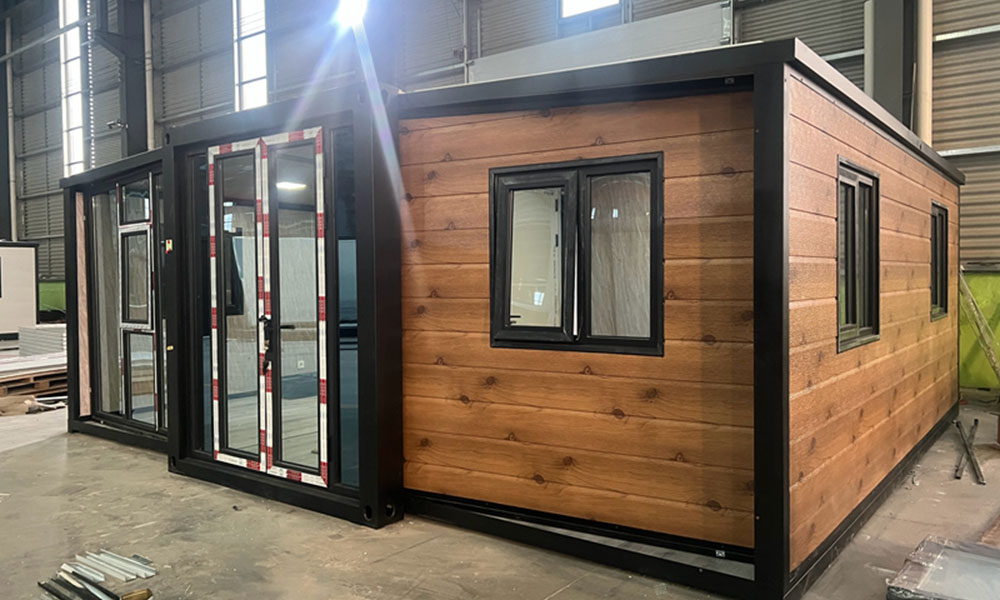


The profitability of luxury capsule resort developments is increasingly driven not by accommodation pricing alone. It relies on a multi-layer revenue architecture that integrates modular construction efficiency, tourism demand segmentation, and redeployable asset utilization.
In emerging premium tourism markets—including Iceland’s geothermal luxury zones, Portugal’s Atlantic coastal eco-resorts, and Japan’s Hokkaido alpine retreat regions—capsule-based resort systems deliver far higher ROI efficiency than traditional boutique hotel developments.
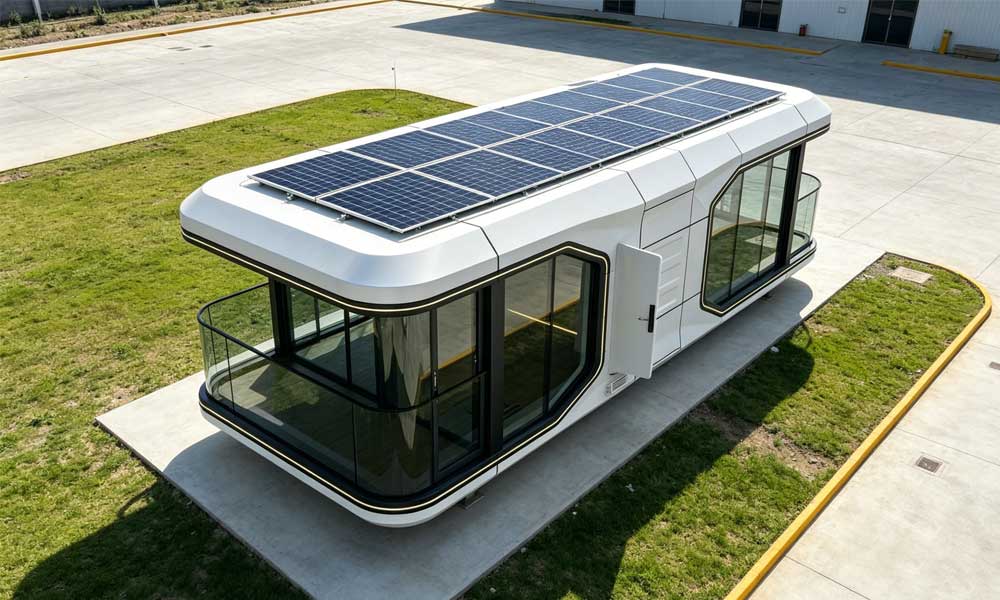
In industrial practice, the profitability of space capsule campsites represents a hybrid profit system supported by infrastructure turnover speed, seasonal pricing optimization, and flexible asset redeployment cycles.
Structural Differences in Asset Liquidity
Unlike traditional hotels or fixed eco-lodges, luxury capsule resort systems adopt a manufacturing-based hospitality operation model.
Traditional Resort Development: Depends heavily on land appreciation, lengthy 12-to-24-month site construction cycles, and one-time, irreversible capital expenditure.
Modern Capsule Systems: Feature advanced infrastructure liquidity. This refers to the operational capability to rapidly relocate and redeploy revenue-generating assets according to shifting global market demands.
This structural agility reshapes the traditional asset depreciation curve. It converts rigid, high-risk fixed real estate into flexible, movable equipment assets with adjustable operational layouts.
The Multi-Layer Revenue Architecture
Luxury capsule resorts break the revenue limitations of fixed geographical locations. They maximize overall yield through three independent and complementary financial layers:
Short-Term Premium Accommodation Yield
Unique architectural aesthetics and "off-grid luxury" themes support a structurally higher Average Daily Rate (ADR). This yield advantage is particularly prominent in ecological protection zones where permanent concrete construction is legally or physically restricted.
Seasonal Yield Optimization
Operators dynamically adjust occupancy and pricing strategies to capture highly concentrated tourist flows. Cross-regional asset redeployment helps achieve superior modular hospitality asset ROI across staggered peak seasons.
Secondary Market Liquidity & Residual Value
Permanent buildings retain almost zero salvage value after a project closes or its land lease expires. In comparison, capsule structural hulls maintain high residual structural value, supporting direct liquidation or resale in the secondary modular glamping market.
Cost Structure Efficiency & Causal Attribution
The complete elimination of on-site wet-trade construction—including massive concrete foundation works and masonry construction—cuts initial capital investment exposure by 25% to 40% compared to traditional boutique hotels.
Development Flow Timelines
Traditional Development: Wet-Trade / On-Site Prep Mode → 12–24 Months Lead Time → High CapEx Exposure Risk.
Capsule Modular System: Factory Integration Mode → 30–90 Days Deployment → 25–40% CapEx Reduction.
Over 95% of fabrication work is completed in standardized, factory-controlled environments. On-site construction and deployment cycles are compressed to a 30–90 day window. This fast-track model minimizes capital holding costs, avoids seasonal weather delays, and accelerates revenue cycle initiation by up to 18 months.
Geographic Performance & Engineering Adaptability Matrix
The profitability of luxury capsule resorts varies significantly by geography and climate. Targeted engineering adaptations eliminate operational downtime caused by environmental stress, protecting net profit margins.
Geographic Domain | Dynamic ADR Peak Season | Critical Engineering Adaptability Factor | Asset Liquidity Rating |
|---|---|---|---|
Iceland(Reykjavik Geothermal Belt) | Winter (Q1 / Q4) | Hydrophobic condensation control & multi-layer thermal breaks | High(Active Nordic & Scandinavian secondary markets) |
Japan(Hokkaido Alpine Corridors) | Winter (Q4 / Q1) | Anti-deformation structural frame engineered for heavy snow loads (greater than 2.5 kN/m²) | Medium(Fixed regional clustering with high localized yield) |
Portugal(Algarve Coastal Eco-Zone) | Summer (Q2 / Q3) | C4-H certified high-salinity anti-corrosion marine coating optimization | High(Accessible via established Pan-European transport corridors) |
Chile(Patagonia Scenic Routes) | Shoulder (Q1 / Q4) | High-wind structural anchoring joints & aerodynamic shell tolerance | Low( Remote logistics constraints limit rapid redeployment) |
Real Field Deployment Case Analysis (Hanliang Export Projects)
Multi-region operational data from Zhongshan Hanliang Integrated Housing Technology Co., Ltd. verifies that professional structural engineering design directly determines commercial profitability in global luxury capsule resort projects.
Case Observation A: The Iceland Jet-Stream Deployment
Units deployed in Reykjavik's northern lights hospitality clusters faced extreme temperature differentials between indoor spaces and sub-zero outdoor environments. Standard insulation structures caused minor condensation accumulation at aluminum structural joints, risking damage to internal premium decorative finishes.
Hanliangimplemented a design upgrade utilizing dual-layer structural thermal breaks and localized hydrophobic vapor barriers. Internal relative humidity was stably maintained at 42%, completely eliminating structural dampness risks and sustaining an 88% winter occupancy rate with zero operational interruptions.
Case Observation B: The Hokkaido Alpine Adaptation
Capsule units deployed in Niseko high-altitude ski zones endured continuous, long-term heavy snow pressure. Hanliang upgraded the structural engineering matrix with reinforced, high-tensile steel load-bearing ribs to prevent frame deformation under shifting snow packs.
This optimization eliminated manual roof snow removal overhead, ensuring full-capacity operation during peak winter seasons with nightly room rates reaching 2.3 times the baseline level.
Micro-Engineering Realities & Non-Ideal Conditions
Accurate profit assessment must account for engineering losses caused by non-ideal transportation and on-site deployment environments.
The 2.4mm Tolerance Rule
During long-distance maritime and overland transportation, capsule units bear continuous, multi-directional vibration impact. Field monitoring shows that the structural chassis produces a deviation range of 1.5mm to 2.4mm.
Without factory-installed elastic damping gaskets at structural joints and glass mounting positions, these micro-deviations will trigger hairline cracks or structural sealing failures upon arrival. Therefore, professional capsule resort climate adaptation engineering must balance high thermal insulation performance with structural flexibility to avoid high-cost, post-delivery site repairs.
Hidden Profit Drivers Often Ignored by Investors
Phased Capital Scalability: Investors do not require full upfront capital deployment. Operators can launch a small-scale initial cluster of 5–10 units. Real-time occupancy data and immediate cash flow can then fund subsequent phased expansions, effectively mitigating large-scale investment risks.
Zoning & Permitting Arbitrage: Modular capsule units are defined as non-permanent, movable structures in most global jurisdictions. They successfully bypass the 12–18 month approval cycles required for traditional permanent commercial real estate, greatly shortening project landing timelines.
High-Value Micro-Upgrades: The modular internal service structure supports rapid luxury renovations. Premium smart home systems and wellness equipment can be fully upgraded within 48 hours per unit. This directly drives ADR improvements without shutting down resort operations.
Risk Mitigation Framework
Tourism Market Volatility → Mitigated by Dynamic Seasonal Asset Relocation.
Logistics & Supply Chain Disruption → Mitigated by Pre-Committed Component Buffers & Localized Assembly.
Climate Saturation & Stress → Mitigated by Engineered Shell Specs (C4-H Coatings / Reinforced Ribs).
High Regional Market Saturation → Mitigated by Secondary Market Liquidations or Asset Resale.
To cope with regional market saturation or sudden tourism downturns, asset mobility mechanisms must be reserved during the planning phase. No secondary fixed modifications should damage transport connection points. Standard flatbed transportation supports complete unit evacuation within 72 hours to lock in asset value.
Industry Interpretation: Why Profit Is Structurally Increasing
From a macroeconomic perspective, the profit advantage of modular capsule resorts is structural and sustainable. Rising labor costs and global environmental compliance standards continuously increase the construction costs of traditional site-built eco-lodges.
Factory-standardized, zero-waste modular production forms a widening cost gap over traditional construction methods. Institutional investors no longer regard capsule units as simple architectural innovations; they classify them as highly optimized, predictable, and rapidly depreciable high-quality capital equipment assets.
Frequently Asked Questions (FAQ)
Q1: How do institutional investors accurately calculate the prefab glamping unit payback period and net margins?
The payback model combines a 90-day ultra-fast CapEx-to-revenue cycle with seasonal premium pricing benefits. The cancellation of on-site wet construction minimizes initial investment. High-quality luxury capsule resort projects achieve full capital amortization within 14 to 22 months. The comprehensive net operational margin stably ranges from 34% to 41%, varying according to local peak tourism intensity.
Q2: What are the primary engineering points of failure that directly damage capsule resort net profits?
Two core failure mechanisms directly erode operational profits. First, 1.5–2.4mm micro-structural deviations during long-distance transportation cause sealant aging and weather stripping failure. Second, insufficient insulation at frame joints leads to condensation penetration in cold regions. Without factory pre-installed high-elasticity polyurethane sealants and full-scale thermal break structures, annual operational availability may drop by 15% due to repeated maintenance downtime.
Q3: How does asset redeployment capability practically safeguard an investor's long-term capital?
Traditional fixed real estate faces permanent depreciation or capital lock-up once regional tourism environments or local policy conditions change. Capsule units support complete, rapid disconnection from on-site utilities and standard flatbed transportation. Investors can relocate assets to high-yield emerging tourism zones, retaining 70% to 80% of the core asset value and realizing cross-cycle capital preservation.