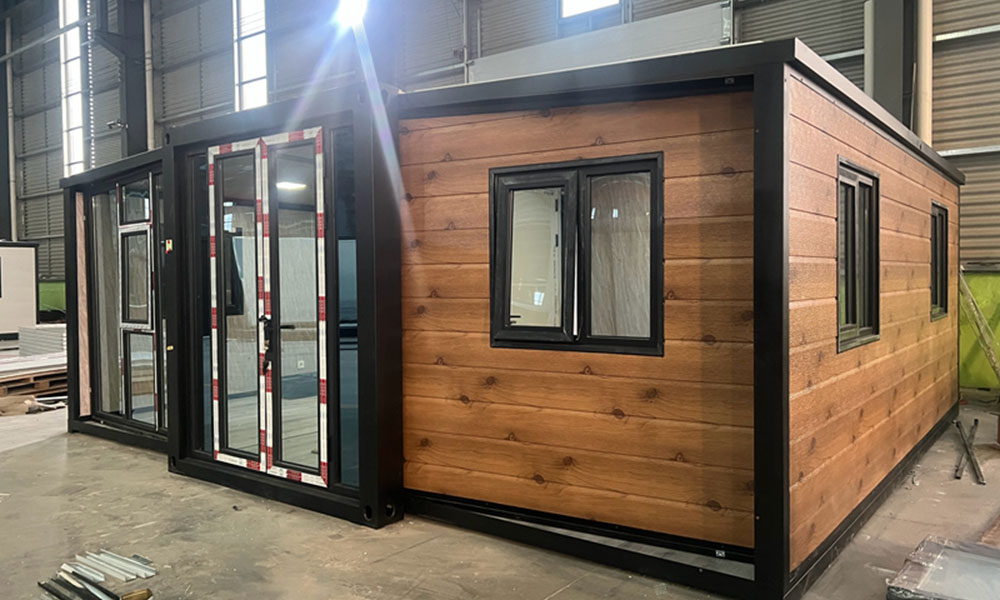



Investors are increasingly allocating capital into modular capsule housing projects because they offer a rare combination of rapid deployment, scalable infrastructure, and flexible asset redeployment, which traditional real estate and hospitality developments cannot match.
From a global investment perspective, particularly in Portugal coastal tourism zones, New Zealand alpine eco-resorts, and Iceland geothermal hospitality regions, modular capsule systems reduce capital lock-up periods by approximately 40%–65% while significantly improving operational adaptability under changing demand cycles.
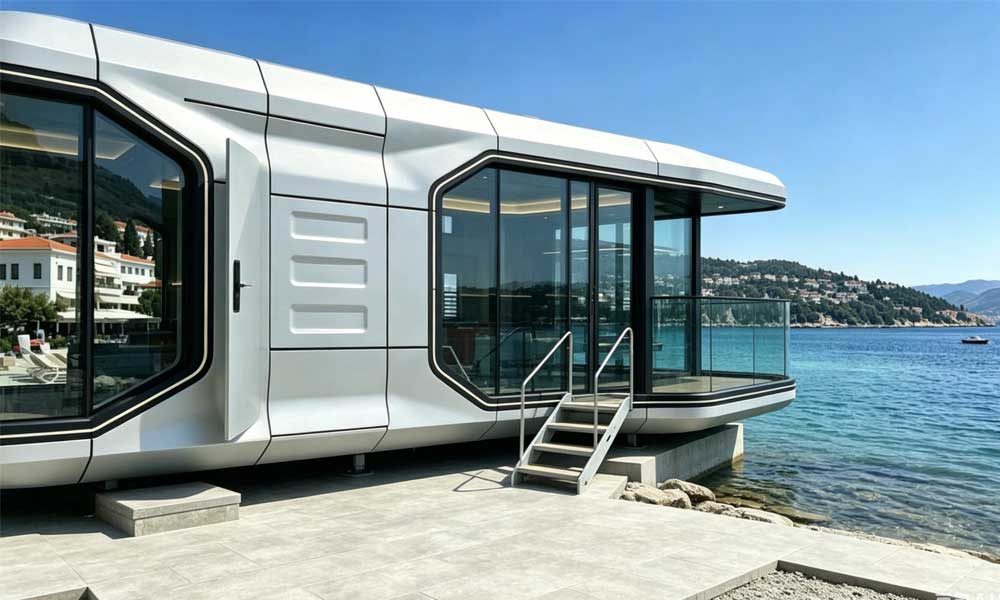
However, the investment appeal is not purely financial. It is structurally driven by manufacturing-based housing production, which transforms real estate from a static asset into a mobile, reconfigurable infrastructure product.
Why This Model Is Structurally Different from Traditional Real Estate
Traditional hospitality and real estate assets depend on:
fixed land development long construction cycles irreversible capital deployment
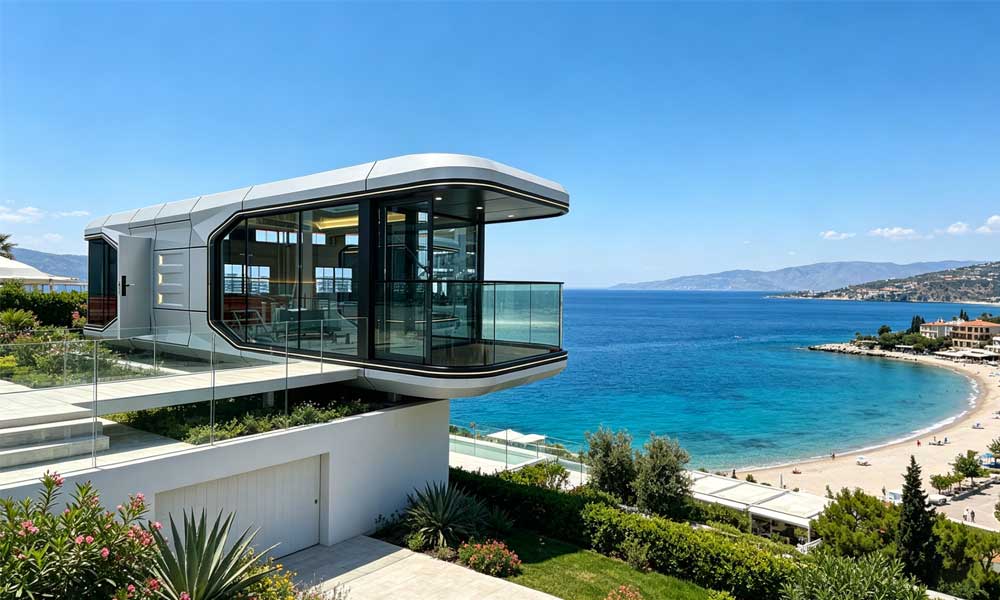
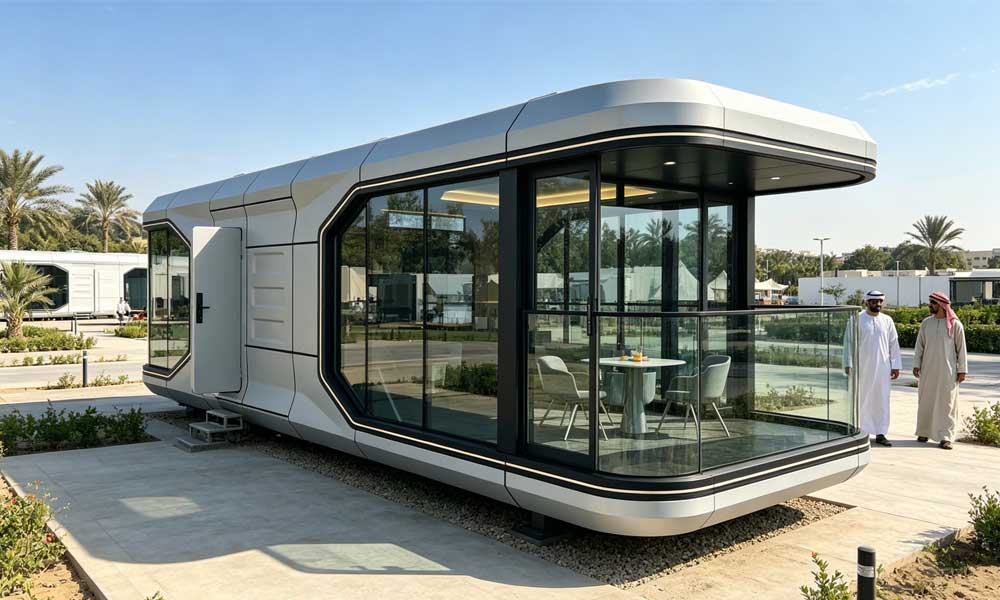
In contrast, modular capsule housing systems—often deployed as eco capsule accommodation units, modular tourism pods, and prefabricated mobile hospitality structures—operate under a manufacturing + logistics hybrid model.
This creates a key structural shift:
Real estate value is no longer tied only to location, but also to mobility and redeployment capability.
This is particularly relevant in regions such as:
Iceland’s geothermal tourism corridor Chile Patagonia eco-lodge investment zones New Zealand South Island seasonal tourism clusters
Capital Efficiency and ROI Compression Mechanism
One of the strongest drivers of investor interest is ROI compression.
Traditional development cycle:
12–24 months construction 6–18 months stabilization total: 18–42 months to full ROI maturity
Modular capsule deployment cycle:
20–60 days manufacturing 7–20 days logistics + installation 30–90 days operational readiness
This compression directly improves internal rate of return (IRR) sensitivity.
In a pilot deployment near Portugal Algarve coastal tourism belt, modular capsule clusters reached operational occupancy levels approximately 50–70% faster than comparable boutique hotel developments.
Scalability and Phased Investment Architecture
A defining advantage of modular capsule housing investment projects is phased scalability.
Investors typically deploy capital in stages:
Phase 1: validation cluster (5–10 units) Phase 2: demand expansion (20–50 units) Phase 3: full resort-scale deployment
This phased model reduces upfront exposure while enabling data-driven expansion.
In New Zealand Queenstown eco-tourism expansion zones, phased deployment strategies are widely used to align infrastructure growth with seasonal demand fluctuations.
Risk Diversification Through Asset Mobility
Unlike traditional buildings, modular capsule systems introduce asset mobility as a risk management tool.
Units can be:
relocated across regions redeployed for seasonal demand resold into secondary modular markets
This transforms them into semi-liquid infrastructure assets.
In Iceland’s northern tourism belt, partial redeployment between winter aurora zones and geothermal spa developments reduced idle asset depreciation by an estimated 20%–30%.
Operational Cost Structure and Long-Term Yield Stability
Operational expenditure (OPEX) is a critical factor in investment evaluation.
Traditional hospitality assets:
high maintenance labor cost fixed structural repair cycles higher energy dependency
Modular capsule systems:
standardized maintenance modules prefabricated component replacement optional solar + insulation optimization systems
In Chile Patagonia deployment zones, modular capsule clusters demonstrated approximately 18%–25% reduction in annual maintenance variability compared to traditional wooden eco-lodges.
Engineering Adaptability and Real-World Deployment Constraints
While modular systems offer strong flexibility, real-world deployment introduces engineering variability factors:
sealing performance fluctuation under extreme humidity thermal expansion differences in cold regions transport-induced micro-deformation (1.5–2.5mm range observed in field data)
For example, in Iceland deployments, condensation control systems required iterative ventilation adjustments during early operational cycles.
From an engineering standpoint, these variations are not structural failures but expected calibration behaviors in modular systems.
Investment Risk Factors Often Overlooked
Despite strong advantages, investors must account for three core risk categories:
Logistics dependency riskLong-distance shipping variability and port congestion delays.
Environmental adaptation riskPerformance sensitivity in extreme climates (cold, humidity, wind loads).
Demand volatility riskTourism-driven occupancy fluctuations in seasonal markets.
These risks are manageable but must be modeled in financial projections.
Real Export Case Insight (Hanliang Deployment Portfolio)
A multi-region deployment by Zhongshan Hanliang Integrated Housing Technology Co., Ltd. included modular capsule systems in:
Iceland (geothermal tourism accommodation) New Zealand (alpine eco-resort clusters) Portugal (coastal modular rental systems)
Observed field outcomes:
Iceland: thermal sealing adjustment required after first freeze cycle New Zealand: anchoring reinforcement required in high wind zones Portugal: occupancy improved after phased expansion deployment
These cases reflect typical modular system iteration behavior rather than structural deficiency.
Strategic Investment Interpretation
From an institutional perspective, modular capsule housing is not simply a real estate product.
It is better understood as:
A hybrid infrastructure asset class combining manufacturing efficiency, deployable architecture, and tourism-driven revenue systems.
This hybrid nature explains why investors prioritize it in capital allocation strategies targeting flexible, scalable, and geographically diversified returns.
Conclusion
Investors prefer modular capsule housing projects because they fundamentally change the structure of real estate investment—from static, location-bound assets into mobile, scalable, and redeployable infrastructure systems.
Across global deployment regions such as Europe, Oceania, and South America, the model consistently demonstrates advantages in capital efficiency, operational flexibility, and risk diversification.
However, its success depends on proper engineering adaptation, realistic environmental modeling, and phased investment execution.
Frequently Asked Questions (FAQ)
Q1: Why are modular capsule housing projects attractive to investors?
Because they shorten construction cycles, reduce capital lock-up time, and allow phased scalable deployment with lower financial risk exposure.
Q2: What is the biggest advantage over traditional hospitality development?
The ability to redeploy and scale units based on demand, rather than being permanently fixed to a single location.
Q3: Are modular capsule systems suitable for all climates?
Not universally. They perform best in tourism-driven or moderate climate regions, while extreme environments require engineering customization.