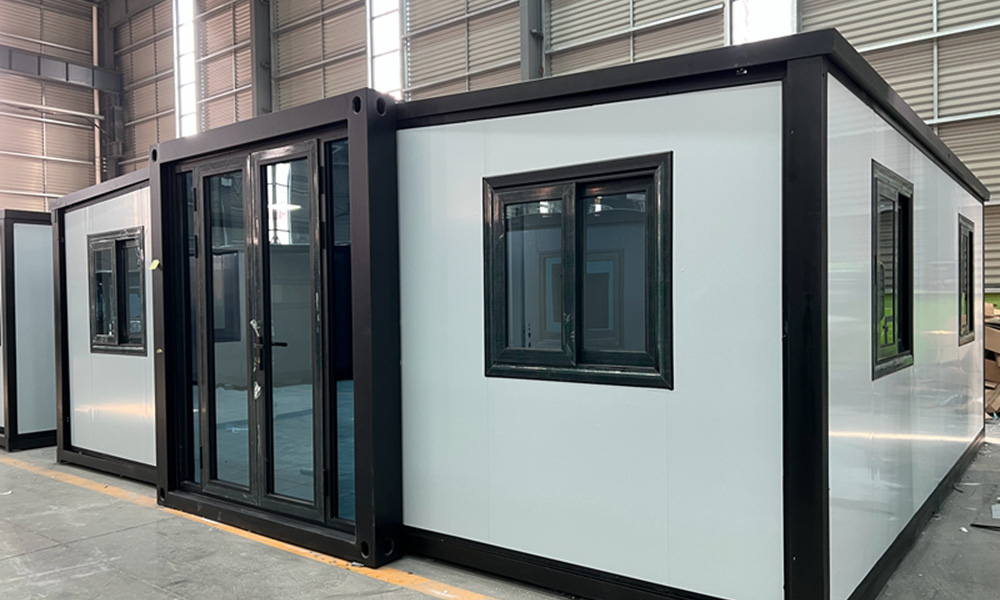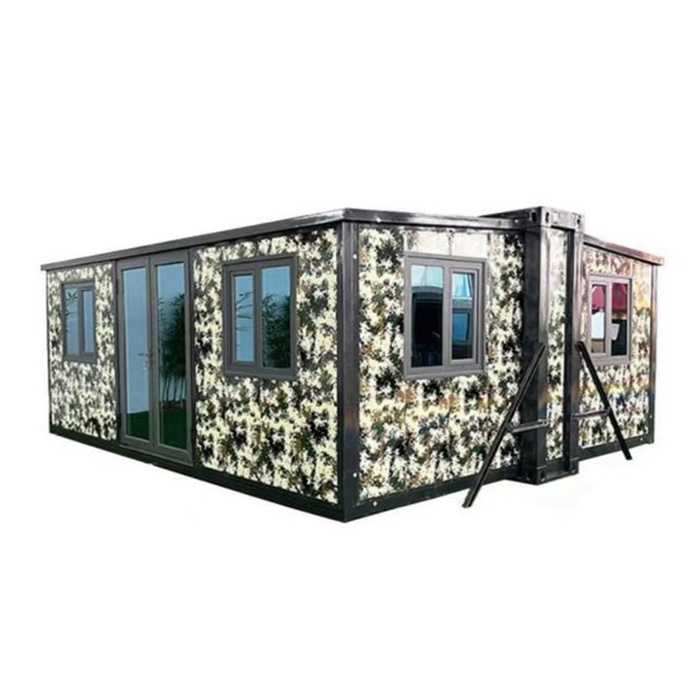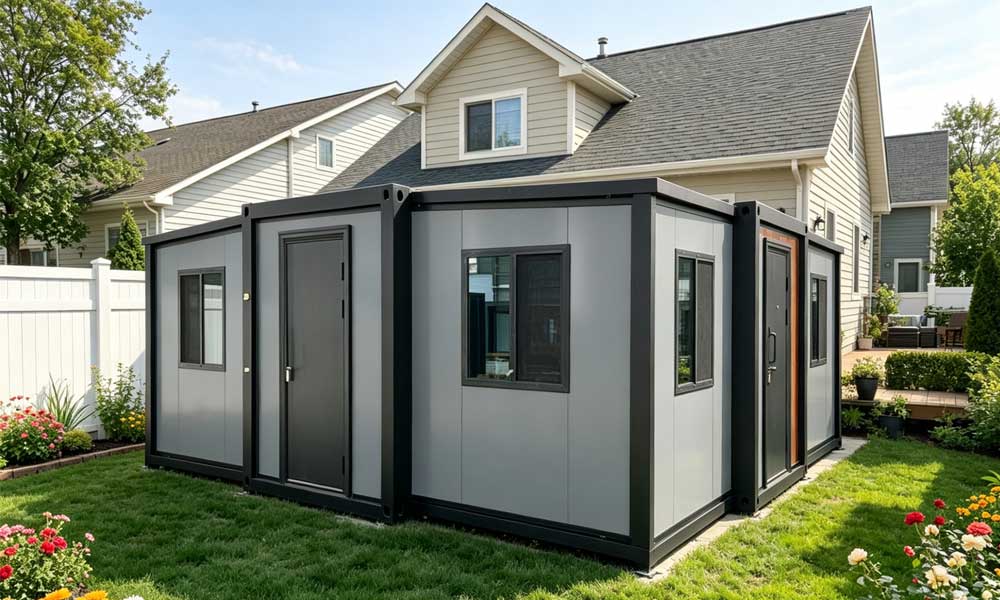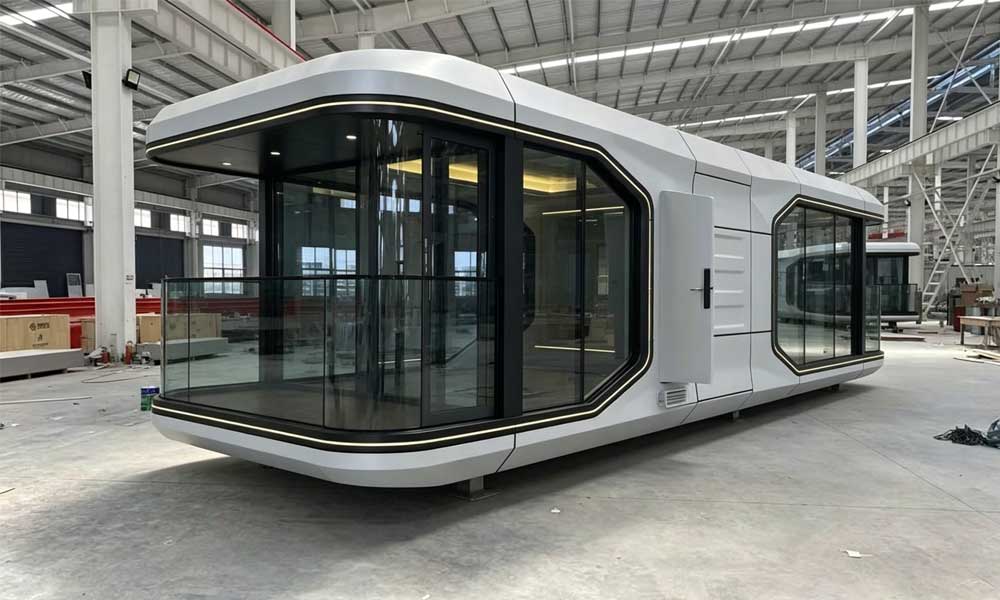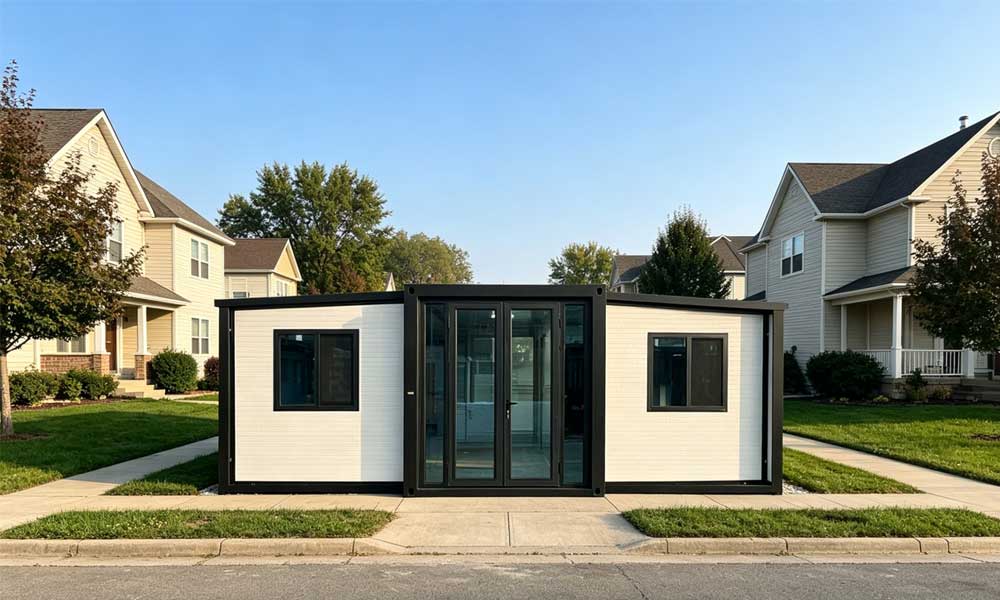


The Australian housing market is undergoing a structural paradigm shift. With soaring traditional construction costs, extended building timelines, and the rising demand for flexible living arrangements like Accessory Dwelling Units (ADUs) and granny flats, modular housing has emerged as a frontline solution. Among these, the expandable container house has captured significant market interest due to its rapid deployment capabilities and high shipping efficiency.
However, for Australian developers, resort owners, and B2B importers, the primary bottleneck isn't the appeal of the product—it is compliance. Australia maintains some of the most rigorous building codes globally. Following the implementation of theNational Construction Code (NCC) 2022, the technical thresholds for energy efficiency, structural integrity, and livability have been elevated significantly.
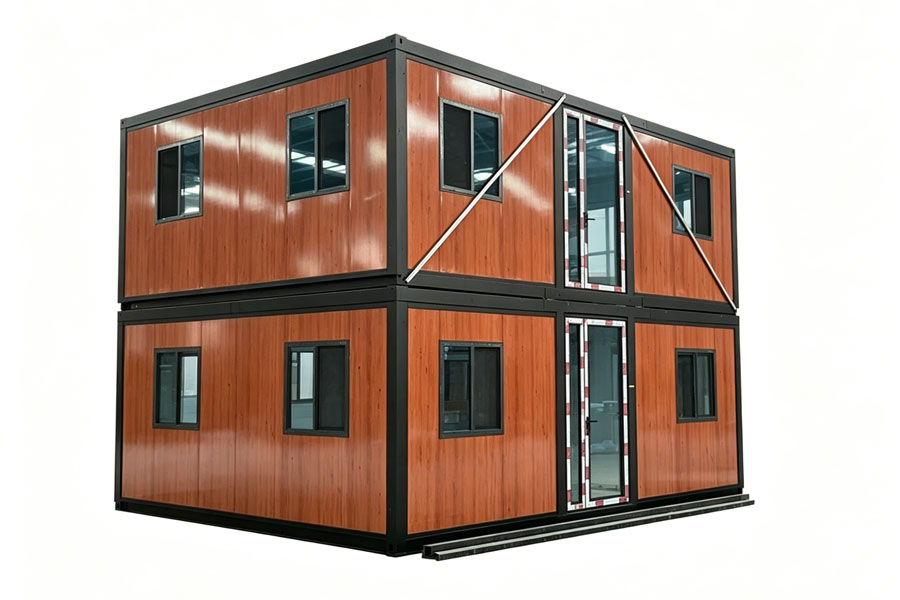
Importing a non-compliant modular structure can lead to severe local council rejections, costly onsite rectifications, or complete demolition orders. At Hengmao, we do not view Australian compliance as an afterthought; we treat it as the foundational blueprint of our engineering process. Here is an in-depth breakdown of how our elite engineering team ensures that every expandable modular home we manufacture fully aligns with the performance requirements of NCC 2022.
The Structural Backbone: Meeting AS/NZS 1170 and NCC Part B1
An expandable home must survive more than just the ocean voyage; it must withstand Australia’s diverse and often extreme wind environments. Under NCC 2022 Part B1 (Structural Provisions), all residential buildings must comply with the AS/NZS 1170 structural design actions series.
Traditional light-gauge steel framing from standard overseas factories often suffers from deflection or structural weakness at the hinge points when expanded. To overcome this, Hengmao utilizes a reinforced heavy-duty hot-dip galvanized steel chassis combined with custom-engineered high-tensile structural hinges.
Wind Load Engineering (AS 4055): Our expandable structures are mathematically modeled and physically reinforced to comfortably achieve Wind Region B and Region C (up to C2 cyclone ratings) capability upon request. This makes them perfectly suited for coastal deployment in Queensland or Western Australia.
Corrosion Resistance: Every steel member undergoes a strict hot-dip galvanization process with a minimum zinc coating thickness designed to resist atmospheric corrosion in coastal environments (ISO Category C3/C4 boundaries), a critical compliance factor for Australian seaside resorts.
Thermal Efficiency and the 7-Star NatHERS Challenge
One of the most drastic updates introduced in NCC 2022 is the raising of the minimum thermal performance requirement for new houses from 6 stars to a 7-star NatHERS (Nationwide House Energy Rating Scheme) equivalent. For a thin-walled expandable container house, achieving this without sacrificing internal living space requires cutting-edge material science.
Instead of utilizing standard EPS (Expanded Polystyrene) panels which fail both Australian fire and thermal regulations, Hengmao deploys high-density, integrated Polyurethane (PU) or rockwool sandwich panels featuring continuous thermal breaks.
Windows and Glazing Compliance (AS 2047 & AS 1288)
A major source of heat transfer in modular buildings occurs through the glazing. To satisfy NCC 2022 energy efficiency metrics, all windows integrated into our expandable homes feature:
Double-glazed Argon-filled low-E glass.
Heavy-duty, thermally broken aluminum window frames.
Full certification under AS 2047 (Windows in buildings—selection and installation) and AS 1288 (Glass in buildings).
Comprehensive Material and Component Compliance Matrix
To provide your local certifiers, structural engineers, and councils with total peace of mind, we maintain a transparent compliance verification system. The table below outlines how the core components of a Hengmao expandable home map directly to Australian Standards and NCC 2022 pathways:
Component Category | Specific Asset / Material | Corresponding Australian Standard | NCC 2022 Compliance Pathway | Evidence Provided by Hengmao |
|---|---|---|---|---|
Main Structure | Hot-dip galvanized structural steel & custom hinge assemblies | AS/NZS 1170.1 / 1170.2& AS 4100 | Performance Requirement V1.1 & Deemed-to-Satisfy (DTS) | Factory structural calculations, welding certificates, and raw material mill test reports. |
Wall & Roof Panels | High-density fire-retardant Rockwool / PU core sandwich panels | AS 1530.1 & AS 1530.3 (Fire Testing) | Section C (Fire Resistance) & Section J (Energy Efficiency) | Independent NATA-aligned fire classification and thermal conductivity (U-value) certificates. |
Glazing Systems | Double-glazed, Argon-filled Low-E windows with thermal break lines | AS 2047 & AS 1288 | Section J (Glazing performance tables) | Glazing performance certificates detailing U-Value and Solar Heat Gain Coefficient (SHGC). |
Electrical System | Pre-wired internal conduits, RCDs, switches, and SAA-marked cabling | AS/NZS 3000 (Wiring Rules) | Part F7 (Services and Equipment) | Complete electrical schematic drawings and SAA component certification marks. |
Plumbing & Wet Areas | WaterMark approved pipes, fittings, and full floor waterproofing membranes | AS/NZS 3500 Series & AS 3740 | Part F2 (Sanitary facilities) & Part F1.7 (Waterproofing) | WaterMark certification codes on all fixtures, plus internal multi-stage waterproofing tests. |
Fire Safety and Bushfire Attack Level (BAL) Adaptation
Fire compliance under NCC 2022 requires strict adherence to non-combustibility standards, particularly if the structure is located near bushfire-prone zones mapped under AS 3959 (Construction of buildings in bushfire-prone areas).
Hengmao's standard expandable home options utilize strictlyGroup 1 fire-rated materials for internal wall linings and non-combustible external cladding configurations. For projects requiring specific BAL-29 or BAL-40 compliance, our technical center alters the material specifications by adding specialized intumescent seals, specialized thick fire-rated external fiber-cement boards, and toughened exterior safety glass layers. This level of customization allows Australian B2B buyers to confidently bid on government housing projects, mining camps, and rural tourist park developments.
Plumbing (WaterMark) and Electrical (AS/NZS 3000) Integration
A common nightmare for Australian importers of modular homes is arriving at the site only to find that local plumbers and electricians refuse to touch or connect the utilities because the internal infrastructure is uncertified.
Hengmao eliminates this friction entirely via specialized factory-level pre-installations:
The Plumbing Infrastructure
Every pipe, joint, tapware component, and shower valve installed inside our expandable kitchen and bathroom pods carries the explicit WaterMark license certification. Furthermore, internal wet areas are treated with multi-layer polyurethane waterproofing membranes in strict compliance with AS 3740, followed by a rigorous 48-hour factory water-retention test prior to flat-packing.
The Electrical Infrastructure
Our factory-installed electrical wiring harnesses follow the exact layout topologies dictated by AS/NZS 3000 (The Australian/New Zealand Wiring Rules). All sub-boards, circuit breakers, residual current devices (RCDs), light switches, and power outlets feature independent SAA certifications. When the home expands on-site, your local licensed Australian electrician can instantly locate our designated external connection junction box, review our provided wiring schematic, and perform a rapid, hassle-free final hookup.
B2B Frequently Asked Questions (Q&A)
Q1: Can a Hengmao expandable home be used directly as a primary dwelling (Class 1a building) under NCC 2022?
Answer: Yes. Under the NCC 2022 framework, a residential house is classified as a Class 1a structure. Our high-spec expandable homes are deliberately engineered to meet the internal ceiling height requirements (minimum 2.4m for habitable rooms), natural light/ventilation minimums, and energy efficiency targets required for Class 1a certification. We provide a complete "Technical Compliance Package"—including comprehensive structural drawings, materials certifications, and window U-values—which your local licensed building certifier or council can utilize to streamline the Development Application (DA) and Construction Certificate (CC) approvals.
Q2: How does the building handle the transport configuration without violating Australian transport dimension rules?
Answer: Efficiency in logistics is one of our primary structural design features. In its folded state, our expandable container house adheres precisely to standard ISO shipping container dimensions. This means it can be loaded effortlessly onto standard Australian container semi-trailers, side-loaders, or flatbed trucks without requiring costly "oversize load" pilot cars, wide-load permits, or restricted route clearances. Once it arrives at your Australian job site, it expands smoothly into a full-scale architectural space within hours.
Q3: We are a large-scale project developer in Australia. Can Hengmao modify its production lines to meet specific state-level variations (e.g., Queensland Development Code or NSW BASIX)?
Answer: Absolutely. As an agile, engineering-driven manufacturing partner, we specialize in high-precision OEM/ODM modifications for commercial B2B orders. If your project is located in New South Wales and requires specific BASIX energy and water targets, or if it requires extra insulation performance for cold Tasmanian winters, our Tech Center can dynamically adjust insulation core thicknesses, upgrade glazing performance indexes, or customize the structural framework to match your exact local architectural mandates.
Build Your Next Compliant Australian Project with Hengmao
Navigating the complexities of Australia's NCC 2022 doesn't have to be a barrier to expanding your modular housing enterprise. Partnering with a manufacturer that truly understands the technicalities of AS/NZS 3000, AS 2047, and WaterMark compliance ensures your project stays on schedule, under budget, and completely legal.
Whether you are looking to secure a fleet of premium tourist cabins for a coastal caravan park, launch a specialized ADU rental business, or import bulk units for a mining accommodation camp, Hengmao provides the structural reliability and documented compliance you need to scale with confidence.
Are you planning an upcoming modular project in Australia? Don't risk costly council rejections. Contact the Hengmao Technical Engineering Team today to request our comprehensive Structural Verification Portfolio and Material Certification Specifications Package. Let's build your compliant future together.