

As modular housing continues to grow worldwide, buyers are no longer simply asking which structure looks better. In 2026, the real question for developers, contractors, and private buyers is much more practical:
Which housing solution actually saves more money over the full project cycle?
Among the most discussed options today are double wing expandable houses and traditional prefab homes. Both are factory-produced, both reduce on-site construction time, and both are increasingly used for residential housing, tourism accommodation, worker camps, and ADU projects.
But when transportation, installation, labor, project timelines, and long-term flexibility are all considered together, the cost difference becomes more complex than many buyers expect.
At Hengmao, we regularly work with clients comparing expandable container houses with conventional prefab structures for projects in the United States, Australia, Southeast Asia, the Middle East, and Africa. In many cases, the final decision is not based on the unit price alone — it depends on total project economics.
So which option really saves more money?
Understanding the Difference Between the Two Systems
Before comparing costs, it is important to understand how these products differ structurally.
A traditional prefab home is typically delivered in multiple structural sections or panels that require larger on-site assembly work. Depending on the design, installation may involve cranes, framing teams, roof assembly, insulation work, and finishing labor.
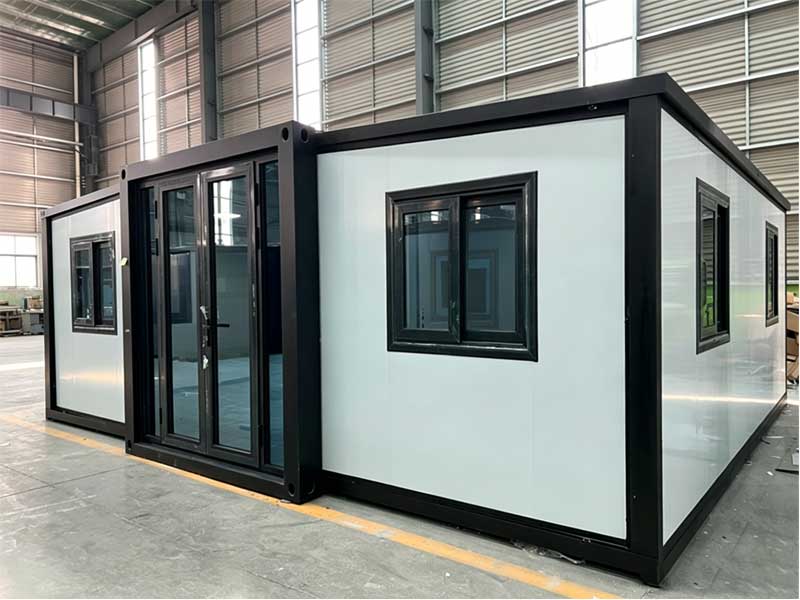
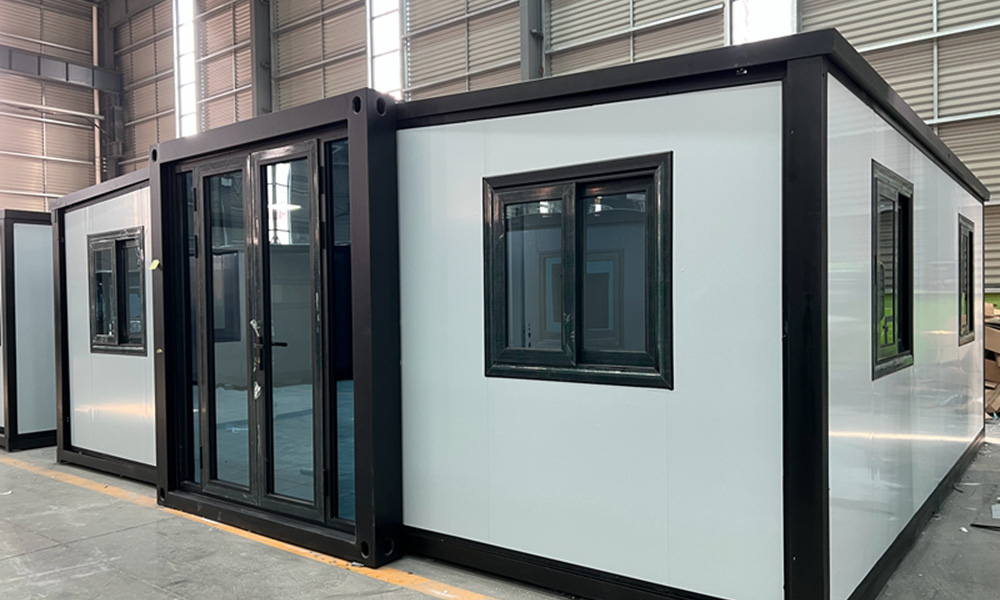
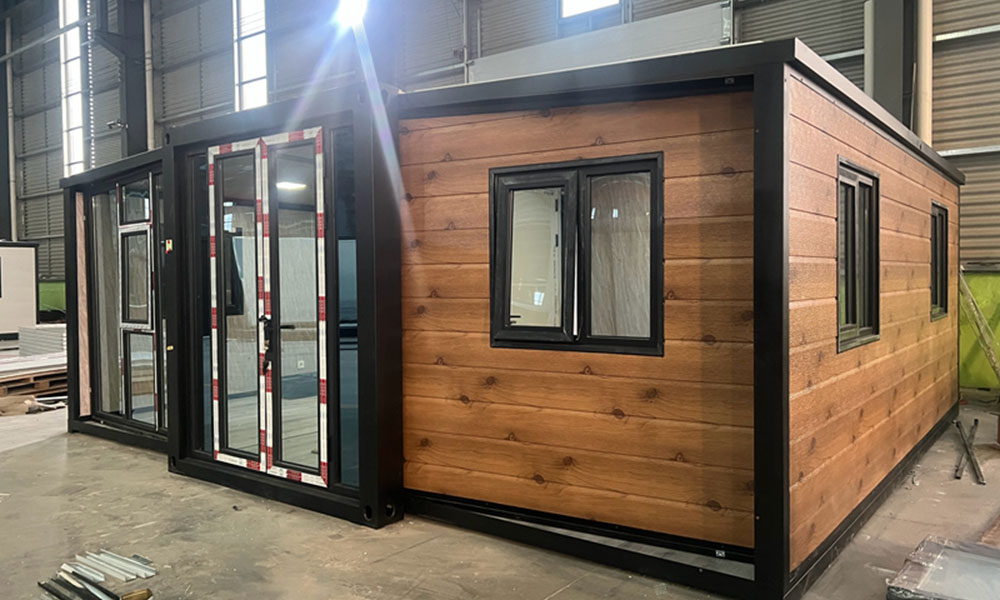
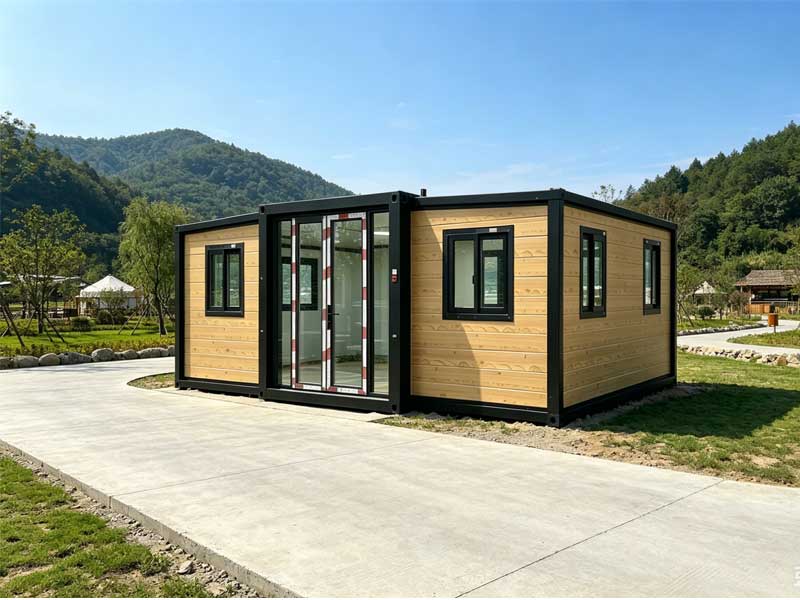
A double wing expandable house, on the other hand, is designed around a foldable integrated structure. The side sections collapse inward during transport and expand outward once delivered to the project site.
This creates several practical differences:
Comparison Item | Double Wing Expandable House | Traditional Prefab Home |
Transport Volume | Lower | Higher |
Installation Speed | Faster | Moderate |
Factory Completion Level | Higher | Medium |
On-Site Labor Requirement | Lower | Higher |
Relocation Flexibility | Strong | Limited |
Structural Customization | Moderate | Higher |
Because of this design difference, the cost structure between the two systems changes significantly.
Transportation Costs: Where Expandable Houses Gain an Advantage
Transportation is one of the biggest reasons double wing expandable container houses have become more popular globally.
Traditional prefab homes often require oversized transportation arrangements due to fixed wall and roof dimensions. Some projects need multiple containers or special transport permits, especially for wider modular sections.
Expandable houses reduce this problem by folding into compact shipping dimensions.
For example, a standard 40ft double wing expandable house can usually be transported using standard container logistics before unfolding on-site.
This reduces:
Ocean freight costs
Inland trucking expenses
Port handling charges
Oversized cargo complications
For projects involving multiple units, transportation savings can become substantial.
In one recent export project to South America, a client originally planned to import traditional modular homes. After comparing freight costs, they switched to expandable housing because container efficiency reduced shipping expenses enough to offset part of the structural upgrade budget.
Installation Labor: A Major Hidden Cost
Many buyers focus only on factory pricing while underestimating local labor costs.
In countries such as the United States, Australia, and Canada, construction labor can become one of the largest project expenses.
Traditional prefab homes often require:
Roofing crews
Wall assembly teams
Electrical installation coordination
Additional insulation work
Interior finishing labor
By comparison, a folding expandable house arrives with much of the structure already integrated.
Once the foundation is ready, installation typically involves:
Crane positioning
Structural unfolding
Utility connection
Interior inspection
This shorter installation process can reduce labor expenses significantly.
For remote projects or regions with labor shortages, this advantage becomes even more important.
Time Savings Also Mean Financial Savings
Construction delays cost money.
Developers operating tourism projects, worker housing, or rental units often calculate costs based on how quickly the property becomes operational.
A traditional prefab house may require weeks of assembly and finishing after delivery. In contrast, many fast installation expandable homes can become functional within days after arrival.
This faster deployment creates financial advantages such as:
Earlier rental income
Reduced contractor scheduling risk
Lower temporary accommodation costs
Faster project turnover
For commercial operators, shorter construction timelines often matter more than small differences in manufacturing cost.
Traditional Prefab Homes Still Have Advantages
Expandable houses are not automatically the best choice for every project.
Traditional prefab homes still offer advantages in several situations.
For example:
Larger luxury residential projects
Multi-section permanent villas
Complex architectural layouts
High-end customized developments
Traditional modular systems often provide more design flexibility and larger open-span configurations.
For buyers developing large light steel prefab villa homes, structural customization options may outweigh transportation efficiency.
This is why project purpose matters when comparing costs.
Maintenance and Long-Term Use Considerations
Long-term operating costs also affect the overall financial picture.
Modern double wing expandable houses are increasingly designed for permanent or semi-permanent use, especially with upgraded insulation and steel framing systems.
However, project environment still matters.
In harsh climates or high-humidity coastal regions, buyers should evaluate:
Wall insulation systems
Roof waterproofing
Structural anti-corrosion treatment
Window sealing quality
At Hengmao, many clients upgrading expandable homes for long-term residential use choose:
Rock wool insulation
Galvanized steel structures
Double-glazed windows
Reinforced roofing systems
These upgrades improve durability and reduce future maintenance costs.
Expandable Houses Are Winning in Several Fast-Growth Markets
In 2026, expandable housing demand is growing especially quickly in:
Backyard ADU projects in the United States
Tourism camps in the Middle East
Worker accommodation in Africa
Rural housing developments in South America
Temporary commercial projects in Southeast Asia
In these sectors, buyers often prioritize:
Speed
Mobility
Transport efficiency
Lower installation costs
This is where double wing expandable modular homes perform particularly well.
Real Project Experience: Comparing Two Client Approaches
In early 2025, two different clients approached Hengmao with similar accommodation projects.
The first client selected a traditional prefab villa system for a long-term resort development requiring customized architectural styling.
The second client selected expandable container housing units for a workforce accommodation project with a tight deployment schedule.
Although the expandable units had slightly higher structural integration costs at the factory stage, the client later reduced:
Freight expenses
Installation labor
On-site assembly time
As a result, the total project delivery cost was lower than the traditional prefab alternative originally considered.
This reflects a growing trend: total project cost often matters more than initial product price alone.
So Which One Actually Saves More Money?
The answer depends on the project.
A double wing expandable house often saves more money when the priority is:
Fast deployment
Lower shipping costs
Reduced labor dependency
Temporary or flexible housing
Remote project installation
A traditional prefab home may offer better value for:
High-end permanent housing
Complex architectural layouts
Larger custom residential projects
The smartest buyers now compare complete project economics rather than simply comparing factory quotations.
Frequently Asked Questions
Q1: Are double wing expandable houses cheaper than traditional prefab homes?
Not always at the factory price level. However, expandable houses often reduce transportation, labor, and installation costs, which can lower total project expenses.
Q2: Can expandable houses be used for permanent residential projects?
Yes. Many buyers now use expandable houses for ADUs, tourism cabins, farm housing, and long-term residential accommodation with upgraded insulation and structural systems.
Q3: Which option installs faster?
In most cases, double wing expandable houses install faster because the structure arrives largely integrated and requires less on-site assembly work.
Build Smarter Projects with Hengmao Double Wing Expandable Houses
Today’s modular housing market is no longer only about choosing the cheapest structure. Buyers increasingly focus on logistics efficiency, installation speed, long-term operating costs, and project flexibility.
At Hengmao, we continue to supply customized double wing expandable house solutions for clients across residential, tourism, commercial, and workforce housing sectors worldwide.
Whether you are planning a backyard ADU project, a remote accommodation camp, a tourism development, or a flexible modular housing investment, Hengmao Double Wing Expandable Houses are designed to combine transport efficiency, practical living comfort, and real-world project durability into one complete modular solution.