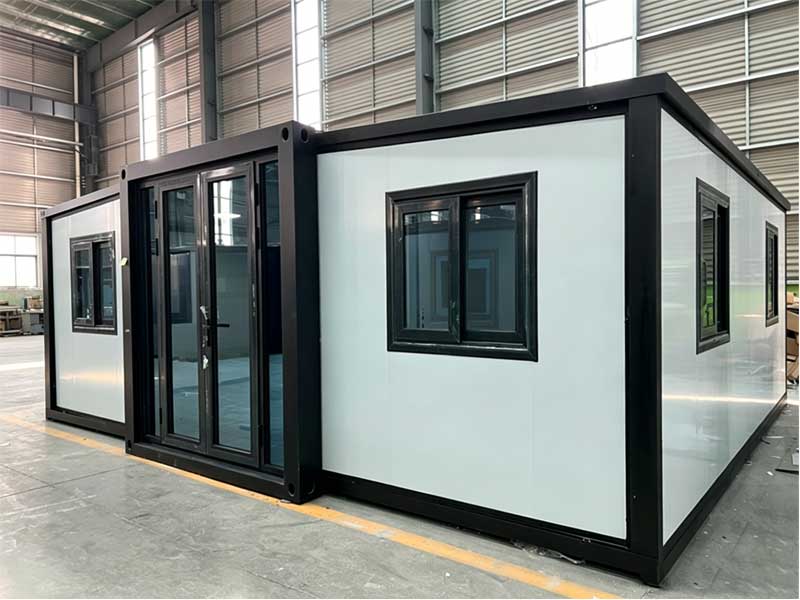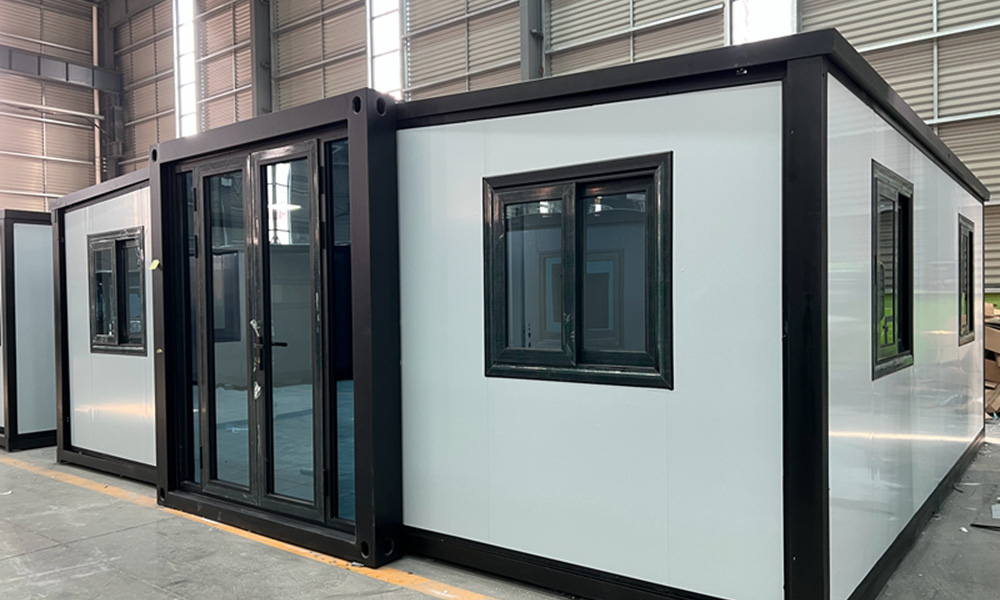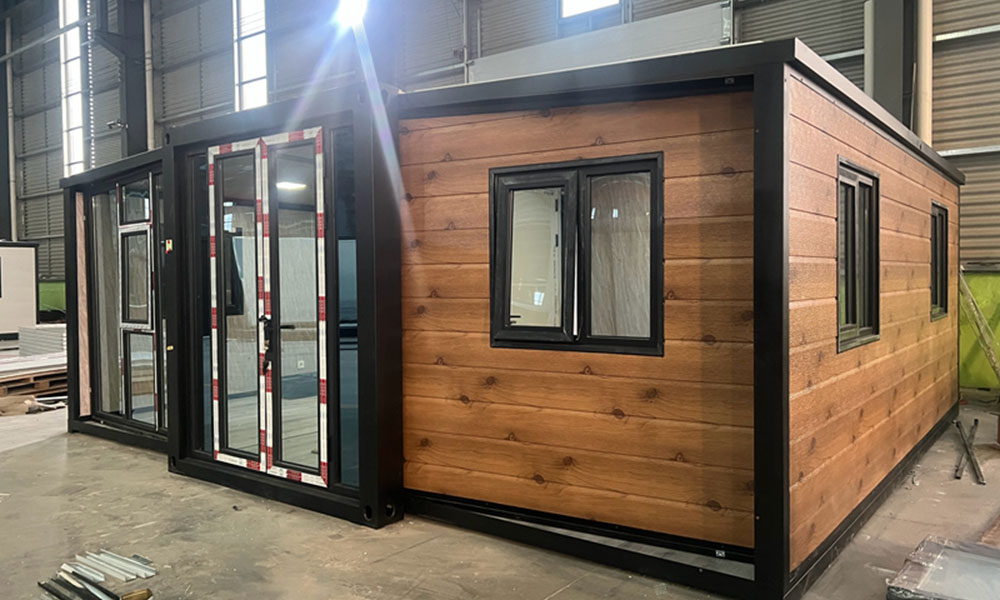



The global modular housing market continues to expand in 2026, and one product category attracting strong international attention is the 20ft expandable container house. Buyers from Australia, the United States, Canada, the Middle East, and Africa are increasingly looking for compact modular housing solutions that combine lower transportation costs with fast installation and flexible applications.
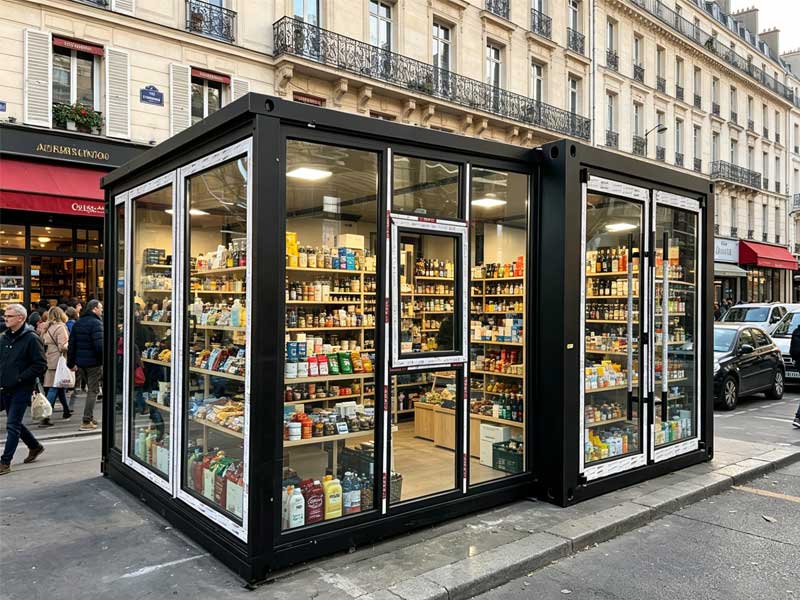
Compared with conventional prefab buildings, the double wing expandable container house offers a unique advantage: it can remain compact during shipping and quickly unfold into a larger living space after arrival. However, one of the most common questions buyers ask is simple: How much does a 20ft expandable container house actually cost in 2026?
The answer depends on much more than container size alone. Factors such as insulation systems, steel structure specifications, local compliance requirements, interior configuration, and shipping destination all influence final pricing. This guide explains the real cost structure behind modern expandable housing projects and what international buyers should consider before purchasing.
Average 20ft Expandable Container House Price Range in 2026
In 2026, the international market price for a 20ft double wing expandable house varies greatly according to configuration standards. The overall factory price range for different grades of products is clearly classified as follows. It should be noted that all quoted prices below refer to pure factory ex-factory prices, excluding subsequent logistics and auxiliary engineering costs.
Configuration Level | Estimated Factory Price Range |
|---|---|
Basic standard model | USD 6,500 – 9,000 |
Insulated residential model | USD 9,000 – 14,000 |
Premium customized configuration | USD 14,000 – 22,000+ |
These figures usually reflect factory pricing only and may not include ocean freight, inland transportation, import taxes, foundation work, crane installation and utility connections. For buyers searching for a fully insulated expandable container home for cold climates, upgraded thermal systems can significantly affect final cost.
Why 2026 Expandable Housing Prices Rise Year-on-Year
Expandable housing prices in 2026 are generally higher than pre-2023 market levels. Multiple upstream industry and market demand factors jointly drive the overall price increase of modular expandable houses.
The core influencing factors include higher steel material costs, rising international freight rates, increased global insulation performance requirements, more complex regional building compliance expectations, and surging market demand for residential-grade modular housing.
In earlier years, most expandable houses were positioned as temporary site accommodation with simple configurations and low performance requirements. Today, global buyers gradually shift demand to permanent or semi-permanent residential buildings with higher safety and comfort standards. As a result, suppliers receive growing customized demands for professional supporting configurations, including residential-grade insulation systems, double-glazed windows, fire-resistant wall assemblies, reinforced galvanized steel structures, and climate-targeted engineering upgrades.
Insulation System: The Core Cost Variable
Thermal insulation configuration is the biggest factor causing price differences between different expandable container house projects. Different regional climates put forward completely different insulation standards, which directly determine material selection and engineering costs.
For example, cold-resistant expandable container houses applied in Canada’s low-temperature environment and high-temperature resistant expandable homes used in Saudi Arabia’s desert climate have completely differentiated insulation design solutions. Common high-grade upgraded insulation systems include rock wool insulation, polyurethane sandwich panels, thermal break flooring systems, fully insulated roofing structures and anti-condensation double-glazed windows.
Most overseas buyers easily underestimate the importance of insulation quality. For permanent residential scenarios, low-cost temporary insulation configurations cannot meet local living comfort and building compliance approval standards, and will bring hidden dangers of energy loss and structural aging in the later stage.
Regional Compliance Standards Affect Overall Pricing
Export expandable container houses need to meet local construction codes, and the differentiated compliance requirements of Australia and the United States are the main reasons for customized price increases. Engineering upgrades and structural reinforcements required by different regions directly change the overall project cost.
Australian market compliant expandable container houses usually need additional customized upgrades, including cyclone-resistant bearing frames, enhanced roof load-bearing reinforcement, upgraded ground anchoring systems and higher-standard thermal insulation specifications to adapt to local extreme weather.
American standard approved expandable prefab homes focus more on residential standardized transformation, covering IRC-related structural engineering design, formal residential electrical layout planning, accurate structural load calculation and permanent occupancy safety standards. Since there is no unified international standard for regional construction compliance, the pricing of export expandable houses cannot be standardized, and needs to be adjusted according to project destination requirements.
Interior Configuration Directly Determines Final Quotation Gap
The basic steel structure of the expandable container house is only the core frame of the project, and the interior decoration and functional configuration are the key links that cause the largest price difference between products.
High-end customized luxury expandable container homes with complete living functions are equipped with full set of bathroom systems, built-in integrated cabinetry, waterproof and wear-resistant flooring, fine interior ceiling finishes, full-house LED lighting systems, standard electrical distribution panels and reserved air conditioning installation positions, realizing拎包入住 residential performance.
In contrast, temporary workforce accommodation units only retain simple functional layouts, with basic finishing and low supporting configuration costs. The differentiated interior design positioning for residential and engineering accommodation scenarios forms a clear price gradient in the market.
Transportation Efficiency Brings Long-Term Cost Advantages
The reason why 20ft double wing expandable container houses are widely popular in remote global projects lies in their excellent transportation and logistics advantages. The unique folding and shrinking design enables the house to maintain a compact volume during ocean transportation, bringing multiple cost-saving benefits.
The folded structure allows more units to be loaded in a single shipping container, effectively reducing unit ocean freight costs. Meanwhile, the lightweight and compact form simplifies inland transportation and on-site crane installation procedures, greatly optimizing the logistics efficiency of remote projects.
This advantage is extremely critical for infrastructure and residential projects in Western Australia, Northern Canada, African mining regions and Middle Eastern tourism development zones. For remote engineering projects, logistics and freight savings often offset part of the factory purchase cost, forming a more cost-effective overall solution.
Real Project Case: 2026 Queensland Backyard Accommodation Project
In early 2026, Hengmao completed customized supporting and construction guidance for a backyard residential accommodation project in Brisbane, Queensland, Australia. The client initially intended to purchase low-cost standard expandable housing products to control upfront investment.
After communicating with local construction consultants and combining Australian regional wind resistance and residential compliance standards, the client adjusted the project configuration and added multiple key upgrades, including high-strength wind-resistant bearing frames, enhanced roof thermal insulation, explosion-proof double-glazed windows and fully upgraded waterproof sealing systems.
Although the optimized residential-grade configuration increased the factory quotation appropriately, it effectively guaranteed long-term residential safety and comfort, and avoided secondary modification costs and approval delays after the goods arrived in Australia. The project team confirmed that targeted engineering and insulation upgrades in the early stage are the core to ensure the smooth delivery of overseas modular housing projects.
Risks of Low-Cost Expandable Container Houses
Most overseas buyers prioritize low upfront purchase prices when selecting suppliers. However, ultra-low-cost expandable houses on the market usually reduce production costs by cutting core configurations, including thinner steel bearing frames, low-density inferior insulation materials, simplified safe electrical systems, basic waterproofing processes and insufficient structural reinforcement.
For permanent residential and long-term commercial use, these low-cost shortcuts will trigger a series of high-cost hidden dangers in the later stage, such as serious indoor heat loss, roof water seepage and leakage, structural frame instability, wall condensation mildew and local approval failure.
At present, experienced professional overseas project buyers no longer blindly pursue the lowest ex-factory price, but take the overall project quality reliability, compliance pass rate and long-term service life as the core evaluation standards to reduce comprehensive project risks.
Customization Becomes the Mainstream Trend in 2026
Different from the single standardized product demand in previous years, global buyers in 2026 pay more attention to personalized customized solutions for expandable houses, realizing scenario-based matching of products and project needs.
The mainstream customized demands in the market include solar-ready off-grid electrical systems, independent off-grid water supply pretreatment, high-end residential interior finishes, climate professional adaptive insulation, expanded independent bathroom layouts and intelligent home system integration.
This industry change fully shows that double wing expandable container houses are gradually transforming from traditional temporary engineering accommodation to high-value permanent residential, tourism homestay and commercial living scenarios, and product customization and high performance have become the core development trend of the industry.
Frequently Asked Questions
Q1: Is a 20ft expandable container house suitable for permanent living?
Yes. Many 20ft expandable houses are now designed for permanent or semi-permanent residential use when properly insulated and engineered for local conditions.
Q2: How many people can comfortably live in a 20ft expandable house?
Most 20ft expandable models are suitable for 1–3 occupants depending on interior layout, furniture configuration, and intended use.
Q3: Which countries currently have the strongest demand for expandable container houses?
Australia, the United States, Canada, Saudi Arabia, and several African regions continue to show strong demand due to rising labor costs, housing shortages, and remote project requirements.
Hengmao Double Wing Expandable Housing Solutions
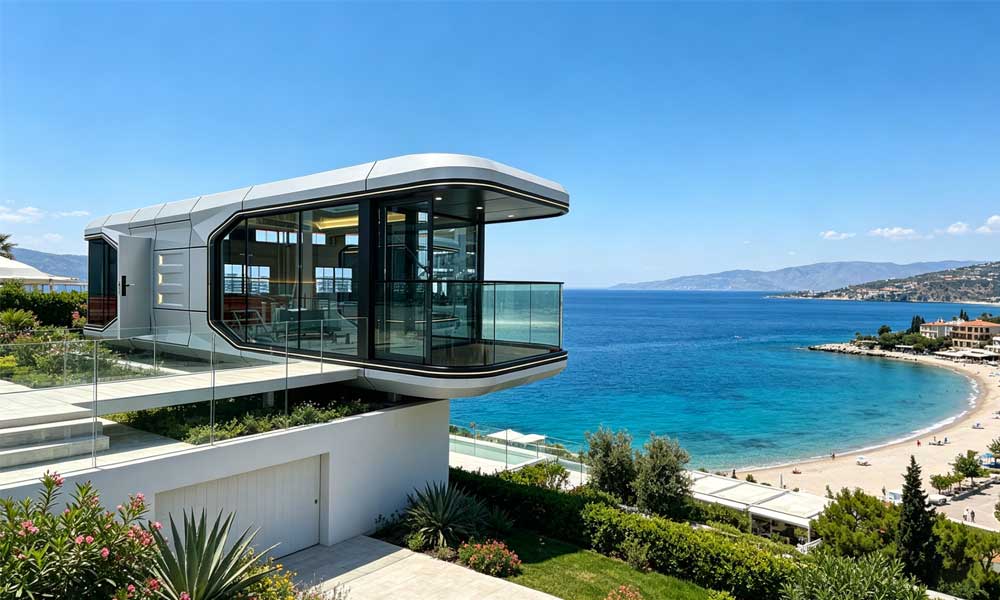
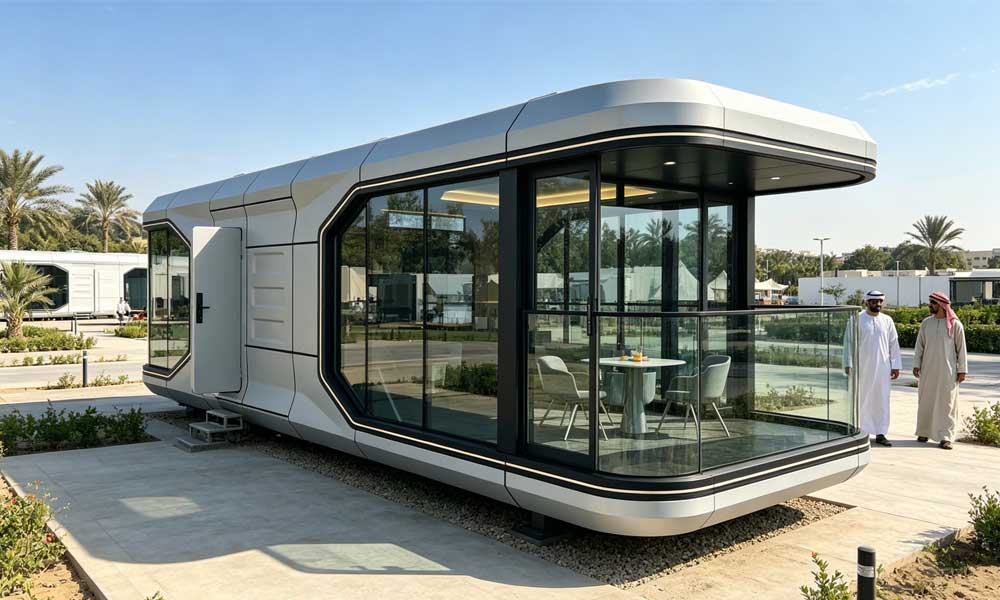
Hengmao continues to provide customized double wing expandable houses and modular housing systems for international residential, tourism, workforce accommodation, and remote infrastructure projects. From fully insulated expandable homes for Canadian winters to cyclone-resistant modular housing in Australia and luxury expandable units for Middle East tourism projects, successful projects increasingly depend on engineering quality, climate adaptation, and practical transportation planning.
Hengmao expandable housing systems are developed around efficient global shipping, reliable steel structure performance, and flexible modular living solutions for diverse international applications.