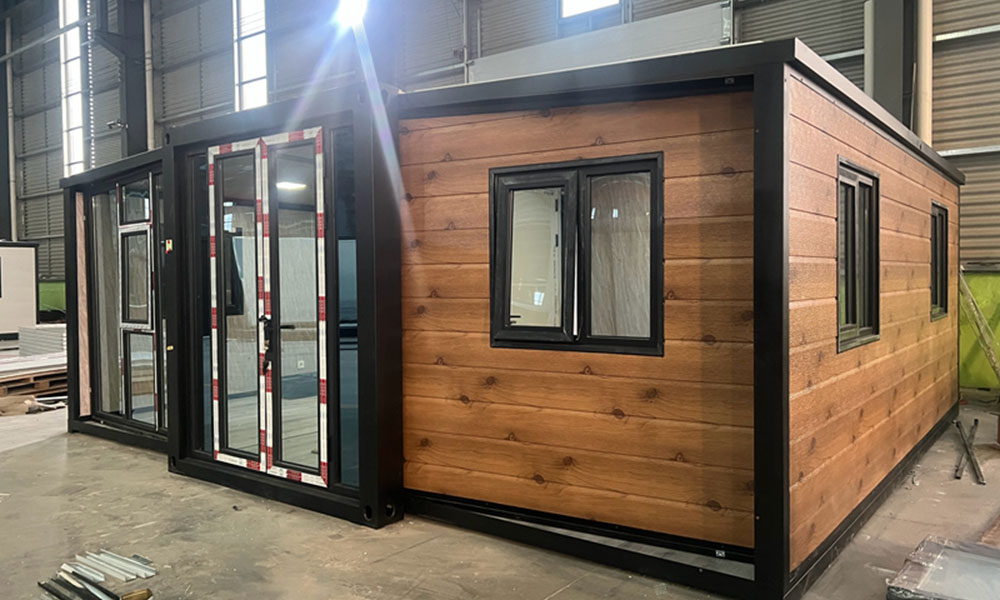


Australia’s construction and property development landscape has undergone major changes in 2026. Persistent labor shortages, surging on-site construction costs, prolonged approval cycles, and urgent demand for regional accommodation have made traditional brick-and-timber building methods increasingly inefficient for local developers. Whether for remote mining camps, rural farm housing, coastal tourism resorts or suburban secondary dwellings, traditional construction can no longer meet the market’s demand for fast delivery and controllable budgets.
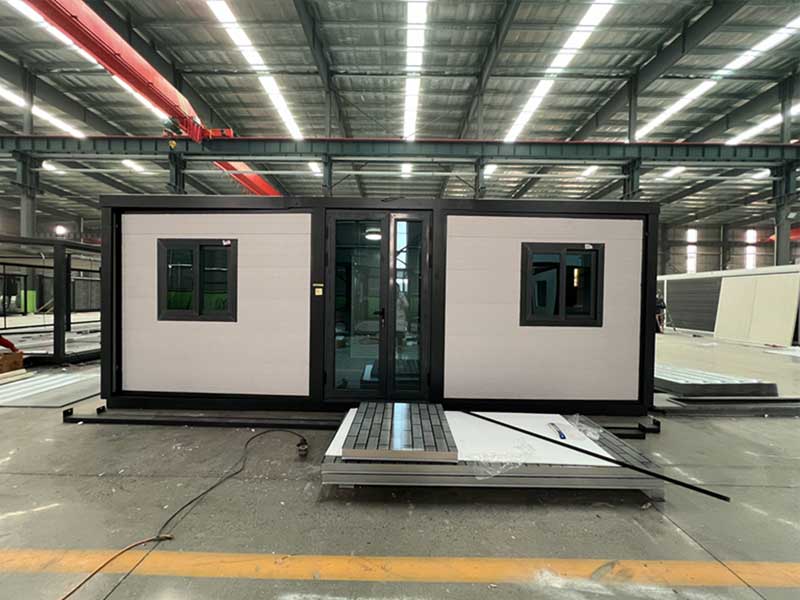
Against this market backdrop, double wing expandable houses have rapidly become the mainstream alternative construction solution for Australian developers across WA, QLD, NSW and SA. Unlike the outdated perception of temporary prefab buildings, modern expandable modular housing is now widely adopted for long-term residential accommodation, commercial tourism projects and permanent staff housing. Based on Hengmao’s two-year data of Australian client consultations, local developers and contractors are comprehensively switching to expandable house solutions — and the core reason is far more than simple cost savings.
Australia’s Unique Construction Challenges Drive Modular Transformation
Major Australian cities including Perth, Brisbane, Melbourne and Adelaide are all facing the same industry bottlenecks: rising material prices and extreme scarcity of skilled construction workers. The problem is further amplified in remote regional areas, where professional construction teams and labor resources are extremely difficult to dispatch and schedule.
Projects located in the Pilbara Region, Northern Queensland, regional New South Wales, South Australian mining zones and remote tourist destinations often suffer from delayed construction and out-of-control labor costs. To solve these pain points, Australian developers are actively seeking low-labor, high-efficiency, quality-guaranteed building systems, making double wing expandable container houses the optimal choice for regional and remote projects.
Rapid On-Site Deployment Creates Core Market Competitiveness
In Australia’s tight housing and tourism market, construction speed directly determines project profitability and revenue cycle. Traditional small-scale accommodation projects require months of complicated on-site work, including foundation pouring, structural framing, roof installation, utility wiring and interior decoration, and are easily delayed by bad weather and labor scheduling conflicts.
In sharp contrast, double wing expandable container houses complete most structural production, interior finishing and functional debugging in standardized factories. After being delivered to the Australian project site, the units can be quickly unfolded, assembled and put into use within a short time. For tourism developers and mining camp contractors, shortened construction cycles mean earlier occupancy and faster return on investment, forming an irreplaceable competitive advantage.
Regional Australia Fuels Sustained Demand for Expandable Housing
The biggest growth driver for Australian expandable housing lies in the vigorous development of regional industries. A large number of infrastructure, mining, tourism and agricultural projects are distributed in non-metropolitan areas, which puts forward higher requirements for building mobility and rapid deployment capability.
Mining Workforce AccommodationWestern Australia continues to expand mining infrastructure in Newman, Port Hedland, Kalgoorlie and other core mining areas. Local mining contractors need portable, efficiently transportable and quickly installed staff accommodation to support long-term camp operations.
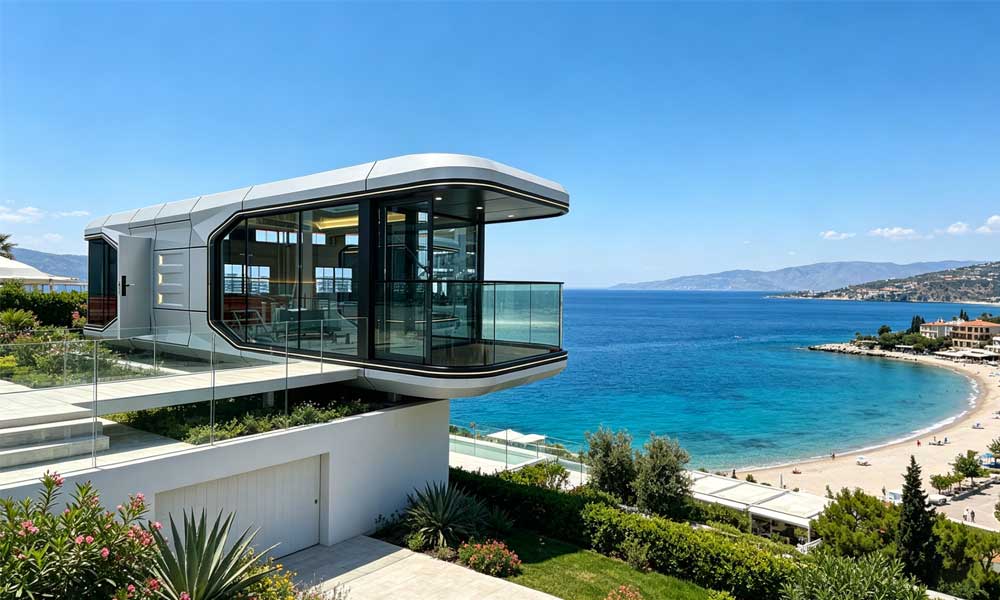
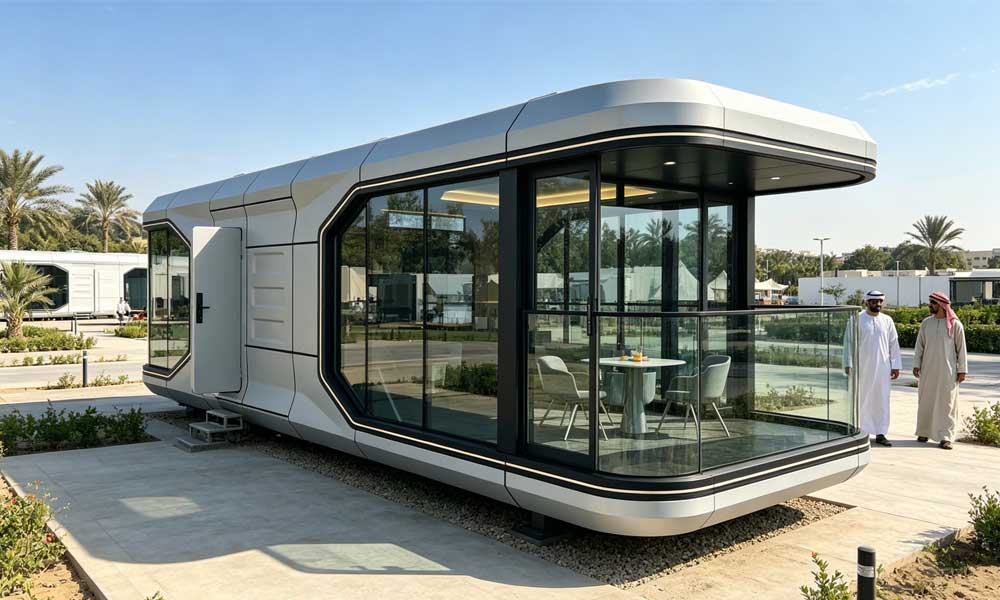
Coastal Tourism DevelopmentTourism operators in Cairns, Airlie Beach and regional Queensland are continuously expanding resort accommodation capacity. Expandable houses are widely used for eco-resorts, glamping sites and remote hospitality projects due to their modern appearance and flexible layout.
Agricultural Seasonal HousingLarge-scale farms in Queensland, Victoria and New South Wales require flexible seasonal worker accommodation. Expandable portable units avoid the long construction cycle and high investment risks of permanent buildings, perfectly matching agricultural seasonal employment characteristics.
Folding Structure Solves Australian Cross-Regional Logistics Pain Points
Australia’s vast territory brings unique cross-regional transportation challenges. Long-distance material transportation between cities and remote areas will generate huge logistics costs, which has always been a major expenditure for regional construction projects.
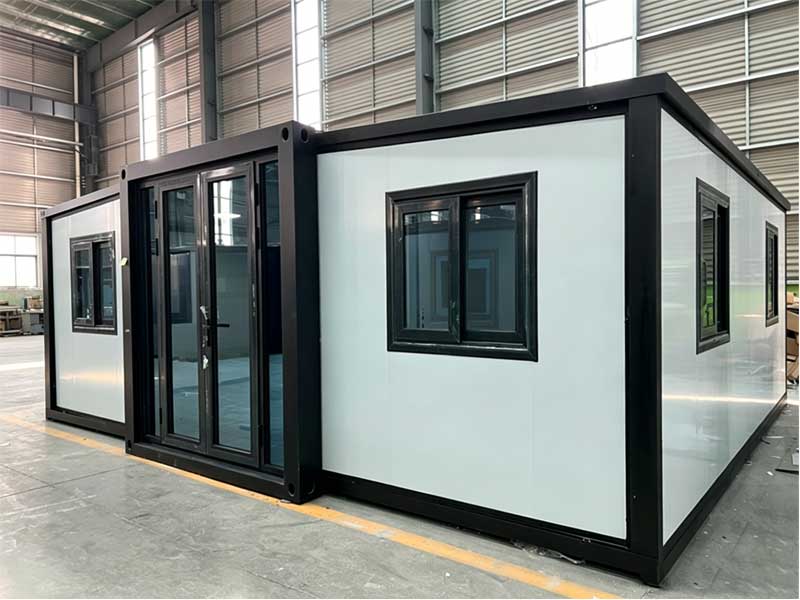
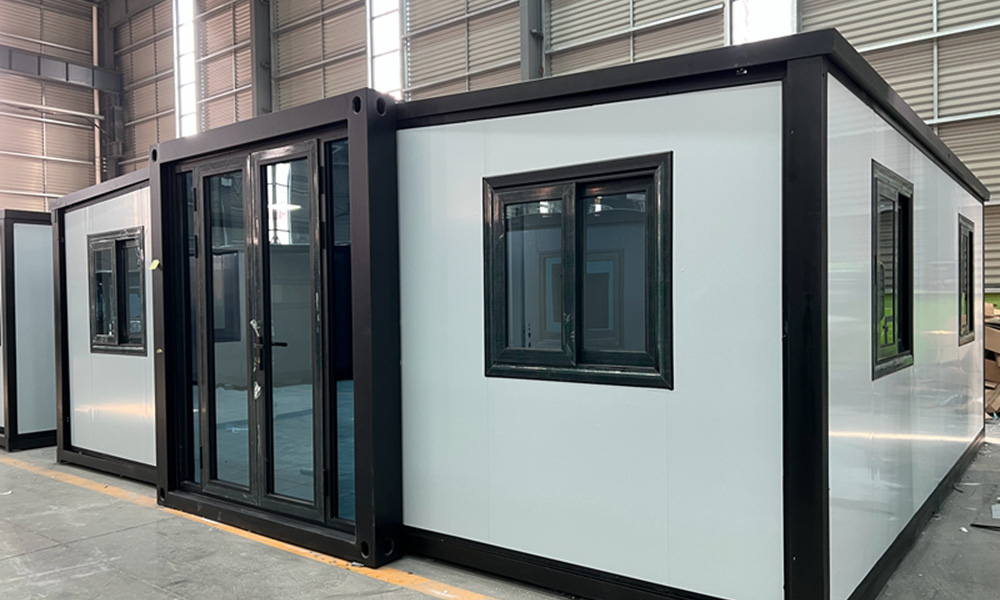
The core design advantage of double wing folding expandable houses is shipping optimization. The whole structure can be tightly folded to fit standard container sizes for transportation, greatly reducing shipping volume and freight costs. After arriving at the destination, the bilateral wings expand to form a spacious indoor living space. This efficient transportation mode effectively reduces the logistics pressure of inland delivery from Perth, Darwin and Townsville ports, and the cost advantage is extremely prominent for remote projects.
Modern Expandable Housing Achieves Residential-Grade Quality Upgrade
Many local Australians still hold the old stereotype that modular buildings are simple temporary site offices. In fact, Australian-specific expandable housing has achieved comprehensive quality upgrades, completely breaking the limitations of traditional prefab buildings.
Current export-grade expandable houses for Australia are equipped with residential-grade configurations: professional thermal insulation wall systems, residential flooring, sound-insulating double-glazed windows, modern integrated bathrooms, energy-saving electrical systems and exquisite interior finishes. The overall appearance and living experience are comparable to traditional residential buildings, which greatly improves the recognition of developers, government departments and local residents for modular housing.
Customized Adaptation for Australia’s Complex and Diverse Climates
Australia spans multiple climatic zones, and the environmental conditions vary drastically from north to south, coast to inland. A single standard building structure cannot adapt to the country’s diverse weather characteristics. Professional modular housing manufacturers provide targeted customized upgrades according to different regional climates to ensure long-term stable use of the houses.
Northern Australia High-Temperature Areas: Equipped with enhanced thermal insulation layers, solar reflective roofing and high-power ventilation systems to resist extreme summer high temperatures.
Coastal Wind and Salt-Area: Adopts overall anti-corrosion coating, marine-grade fasteners and moisture-proof treatment to avoid salt-air corrosion and extend service life.
Southern Low-Temperature Regions: Thickened insulation panels are used to upgrade thermal performance and energy efficiency, adapting to low-temperature weather in southern Victoria and Tasmania.
Factory Production Brings Stable Financial Predictability
Budget uncertainty is the biggest risk for Australian construction projects. Traditional on-site construction is easily affected by raw material price fluctuations, labor shortages and subcontractor delays, resulting in serious budget overruns and schedule delays.
Expandable container houses adopt full factory prefabrication, and the core manufacturing cost is confirmed before production. Although foundation treatment and on-site utility connection fees still have regional differences, the main body cost is fixed and transparent, helping developers accurately control project budgets and avoid invisible cost risks.
Green Environmental Protection Aligns With Australian Sustainable Development Goals
Sustainable construction and low-carbon development have become important assessment indicators for Australian local development projects. Compared with traditional on-site construction, factory-produced expandable modular housing has significant environmental advantages.
Centralized factory production effectively reduces construction waste, on-site land damage and material consumption, lowering the overall project carbon footprint. In addition, expandable houses support repeated disassembly, transportation and reuse. When project functions change or end, the units can be relocated and repurposed, perfectly fitting the sustainable development requirements of Australia’s construction industry.
Core Reasons for 2026 Australian Developers’ Shift to Expandable Housing
The popularity of expandable houses in the Australian market is the result of the superposition of multiple industry advantages, not a single factor. More local developers choose double wing expandable modular housing for the following core reasons:
Continuously rising local traditional construction costs
Severe skilled labor shortages in regional areas
Strong demand for rapid deployment of remote accommodation projects
Optimized folding structure to reduce cross-regional logistics costs
Upgraded residential-grade quality and regional climate adaptation
Fixed factory cost to achieve budget predictability
Green and reusable features that meet local environmental policies
In 2026, expandable housing has completely transformed from a niche temporary building solution to a mainstream choice for Australian residential, commercial and infrastructure projects. For local developers, traditional construction methods can no longer adapt to the fast-paced and high-cost Australian market, which make modular expandable housing the best alternative.
Frequently Asked Questions
Q1: Can expandable houses be used for permanent commercial and residential projects in Australia?
A1: Yes. Modern Australian-standard double wing expandable houses support long-term permanent use. After customized climate adaptation upgrades, standardized foundation construction and local utility compliance debugging, they can fully meet the building requirements of Australian tourism resorts, residential auxiliary houses and permanent mining camp accommodation, and have been widely verified in QLD, WA and NSW local projects.
Q2: Can Australian expandable housing units be relocated and reused across project sites?
A2: Absolutely. One of the biggest design highlights of double wing expandable houses is mobility and reusability. The integrated foldable steel structure supports multiple disassembly, transportation and reinstallation. It is very suitable for Australian seasonal agricultural projects, phased tourism development and short-cycle mining projects, helping developers reduce repeated construction investment.
Q3: What project scenarios are expandable houses mainly suitable for in Australia?
A3: It covers almost all mainstream regional construction scenarios in Australia, including remote mining workforce accommodation, coastal tourism glamping resorts, farm seasonal worker housing, suburban backyard secondary dwellings, and temporary office and dormitory supporting facilities for infrastructure projects.
Q4: What custom upgrades do Australian expandable houses usually need?
A4: According to different regional climates, targeted upgrades are required: high-temperature and ventilation upgrades for northern inland areas, anti-corrosion and moisture-proof upgrades for coastal areas, and thick thermal insulation upgrades for southern low-temperature areas. All customized configurations can fully comply with Australian local building standards.
Hengmao Double Wing Expandable Housing Solutions
Hengmao has long focused on export-oriented expandable modular housing customization, with rich practical project experience covering Western Australia, Queensland, Victoria, New South Wales and other mainstream Australian regions. We clearly understand that Australian regional projects have extremely high requirements for climate adaptation, transportation adaptability and long-term structural durability, standard universal modular products cannot meet local construction needs.
We provide one-stop customized expandable housing solutions for Australian mining contractors, tourism developers, agricultural enterprises and property investors, covering workforce accommodation, tourism resort units, farm staff housing and regional infrastructure supporting buildings. We abandon rigid generic designs and formulate targeted production and upgrading schemes according to local climate characteristics, transportation conditions and project usage scenarios.
Most Australian clients initially only pay attention to product quality, but finally recognize that professional cross-border project coordination, transportation planning and after-sales technical support are the core of project success. Hengmao always takes project practicality and long-term stability as the core, helping Australian buyers avoid construction risks and achieve high-cost-performance project delivery.