

Short-term rental and Airbnb hospitality markets are booming globally, yet many tourism investors face a universal dilemma: traditional hotel and resort construction is too slow, costly, and inflexible to keep up with fast-changing travel trends and seasonal visitor surges. More property owners and resort developers are searching for low-cost, fast-deployable accommodation solutions that can deliver unique guest experiences while locking in stable rental returns.
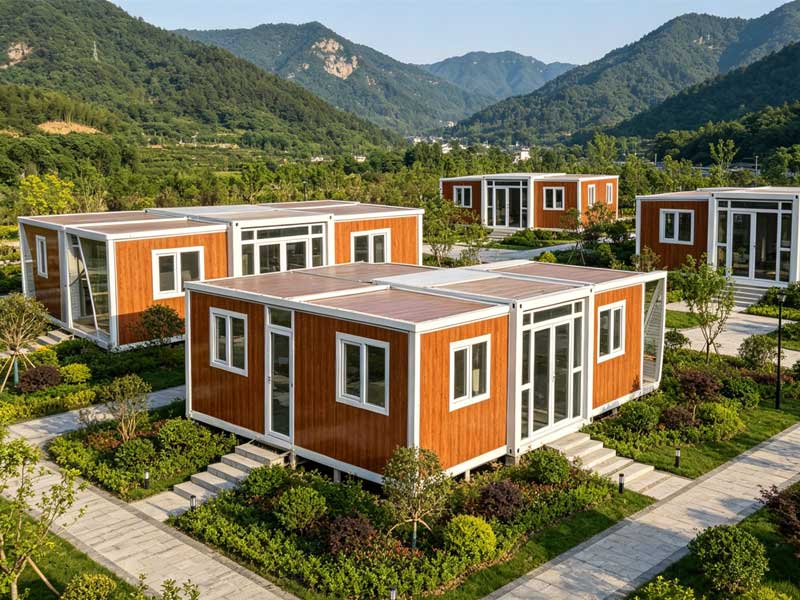
The answer to whether expandable container houses work for Airbnb rentals is definitely yes — but successful short-term rental projects rely on more than just a modular building structure. Across North America, Australia, New Zealand, the Middle East and Europe, double wing expandable houses have evolved from simple temporary prefab units into high-quality, experience-focused hospitality spaces. They perfectly fit the core demands of modern Airbnb, glamping, and eco-tourism rental projects, becoming a key part of investors’ tourism development layouts.
At Hengmao, we have witnessed a sharp rise in inquiries from global tourism investors focusing on boutique hospitality venues, eco-resorts, rural farm stays and short-term rental properties. Unlike buyers pursuing the lowest-cost building solutions, these rental project investors prioritize the balanced combination of rapid deployment, flexible layout, attractive guest experience and long-term operational value — a core advantage that double wing expandable houses excel at.
Tourism Destinations Need Customized Modular Building Solutions
Traditional brick-and-mortar construction performs stably in urban areas with easy access to skilled labor, building materials and professional contractors. However, most high-potential tourism attractions are located in remote suburbs, rural areas and scenic reserves, where traditional construction faces obvious limitations. Higher on-site construction costs, insufficient local labor and uncontrollable project cycles often delay tourism project opening plans.
This industry pain point is widespread in world-famous tourist destinations including Sedona (Arizona), Moab (Utah), Asheville (North Carolina), Rotorua (New Zealand), Cairns (Queensland) and AlUla (Saudi Arabia). All these regions share the same market feature: booming tourist demand paired with severe accommodation shortages. For local developers and property owners, quickly adding high-quality guest rooms is the most direct way to seize market share and build competitive advantages. Expandable modular holiday lodges completely avoid the long construction cycle of traditional buildings, helping investors rapidly expand rental accommodation capacity.
Modern Travelers Prioritize Unique Experiences Over Basic Accommodation
The global short-term rental market has undergone a clear consumption upgrade in recent years. Travelers no longer only pursue spacious rooms and basic accommodation functions. Instead, they actively seek distinctive, immersive and nature-integrated travel experiences, which drives the rapid popularity of glamping resorts, eco-lodges, vineyard retreats and nature-themed homestays.
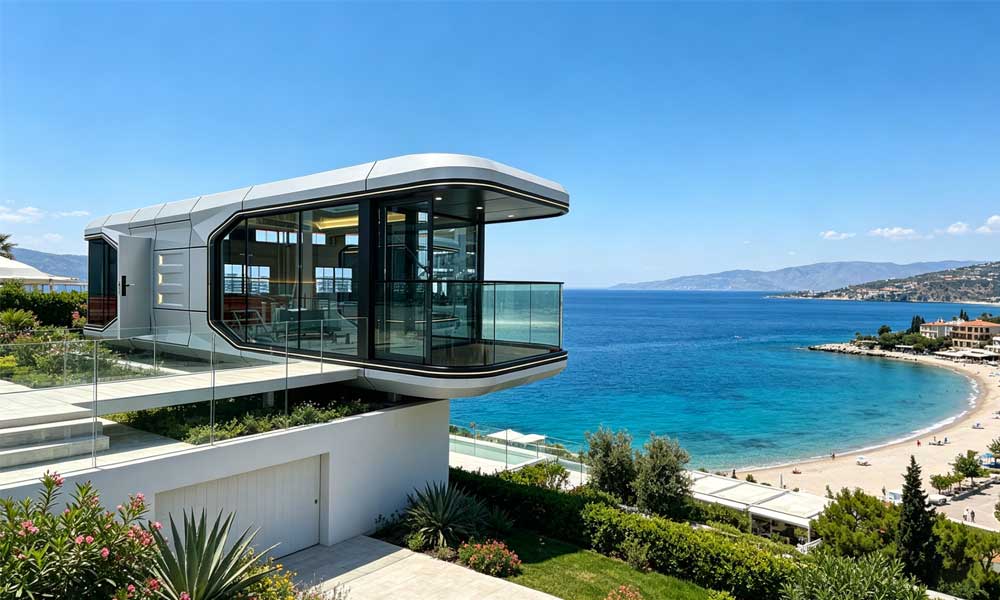
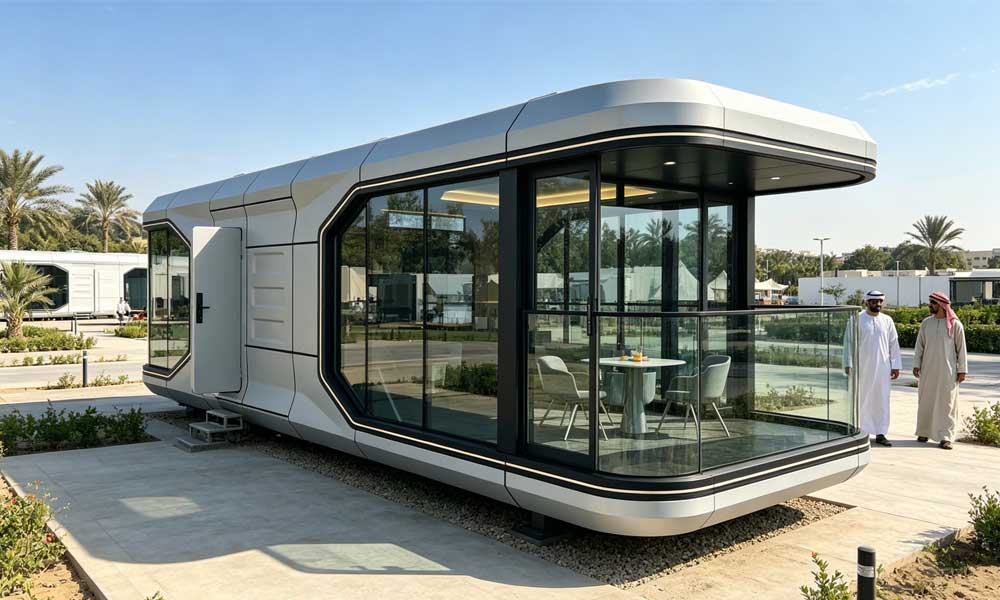
For Airbnb guests, scenic views, unique architectural design, private space, independent outdoor leisure areas and close connection with nature are far more attractive than ordinary standardized hotel rooms. A well-designed expandable guest cabin built near national parks or scenic spots can become a core marketing highlight of the rental property, rather than just a simple lodging space. In tourist hotspots like Sedona and Rotorua, many local Airbnb operators rely on distinctive modular expandable houses to form differentiated competitiveness and stand out from homogeneous traditional hotels.
Core Advantages of Expandable Houses for Hospitality & Airbnb Projects
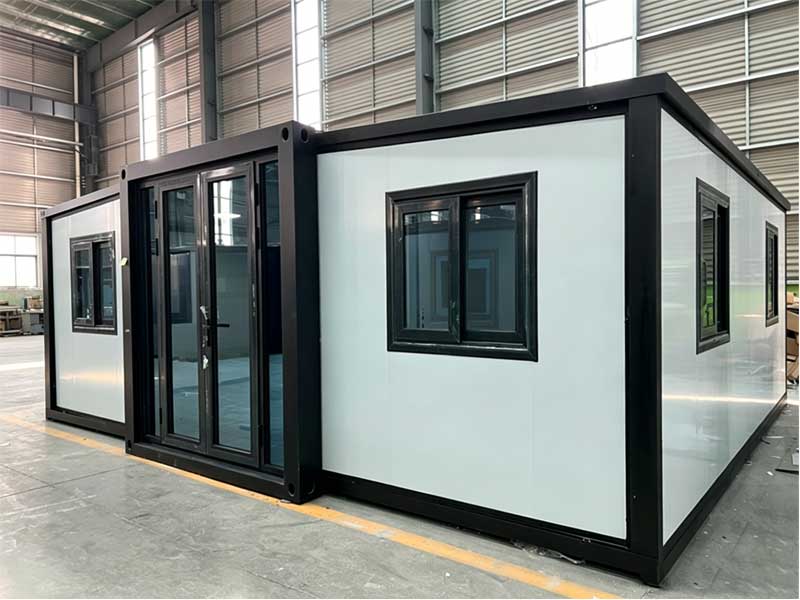
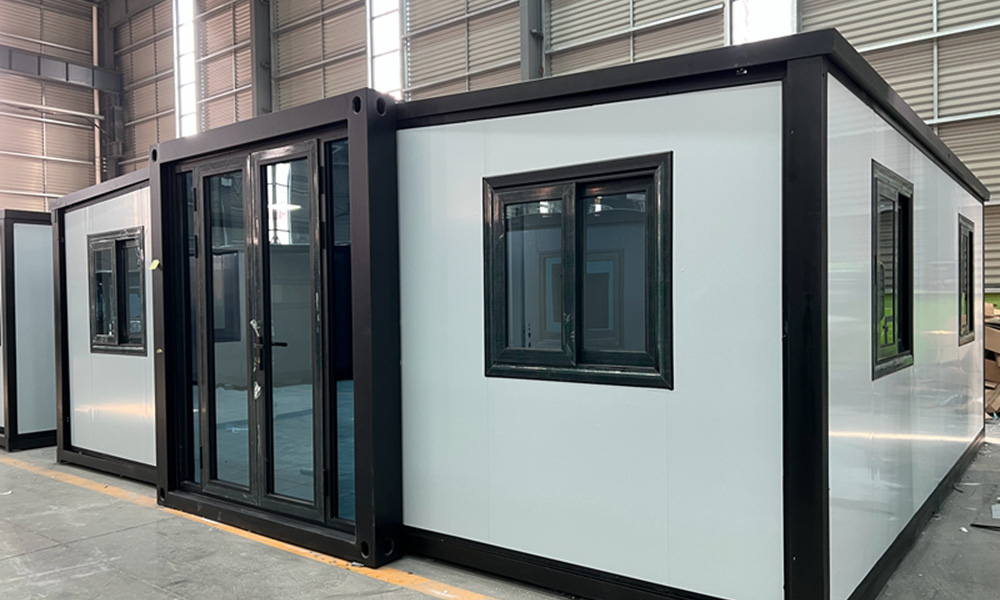
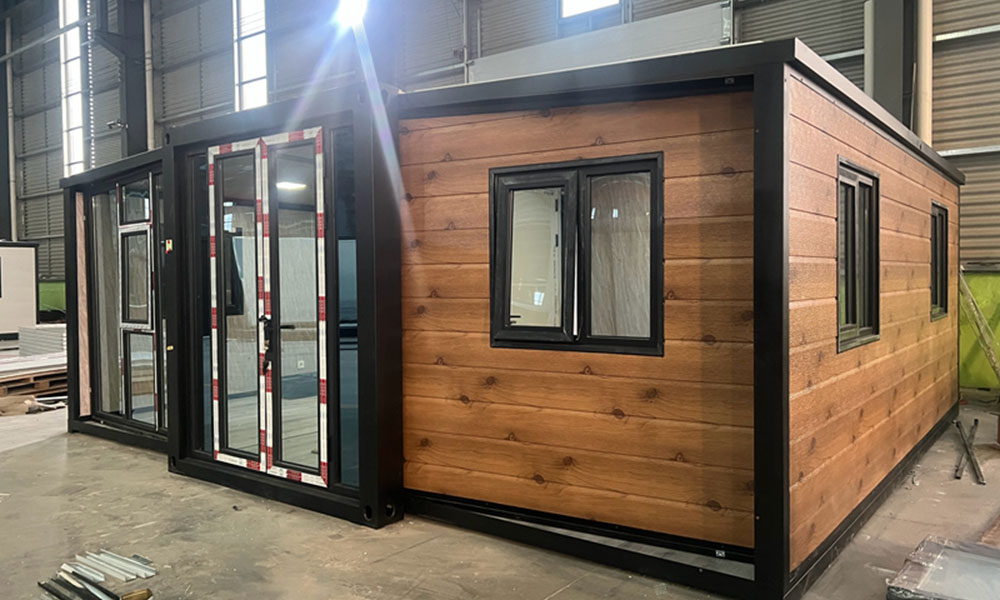
Different from rough, single-function traditional shipping container renovations, modern customized double wing expandable houses feature scientific space layout and complete residential supporting functions after full deployment. A standard expandable resort cabin can independently configure private bedrooms, complete sanitary bathrooms, mini kitchenettes, casual lounge areas and exclusive outdoor decks, fully meeting the functional needs of high-end short-term rentals.
This highly flexible layout design allows investors to adjust interior configurations according to different guest groups and project positioning without overhauling the main structure, covering multiple tourism scenarios:
Eco-Tourism Resorts: Cater to eco-friendly travelers who focus on natural scenery, sustainable building concepts and unique architectural design.
Farm Stay Businesses: Balance authentic rural experiential features and modern comfortable living conditions to meet leisure travel needs.
National Park Accommodation: Adapt to remote scenic area environments, with efficient transportation performance and durable structural quality for long-term outdoor use.
Vineyard Retreats: Achieve unified aesthetic matching with scenic characteristics while controlling construction and operational costs.
Compact Folding Design Solves Remote Tourism Transportation Pain Points
Most high-quality tourism projects are far away from urban centers with complete supporting facilities. Transporting massive traditional building materials and prefabricated components to remote scenic areas consumes huge time and logistics costs, greatly compressing project profit margins.
The biggest logistics advantage of double wing expandable houses lies in their foldable and compact transportation design. The units are folded into standard container sizes before delivery, greatly reducing shipping volume and lowering the cost of international ocean freight and inland road transportation. For investors planning multi-unit Airbnb rental clusters, this logistics advantage can save substantial upfront transportation expenses. Meanwhile, developers can realize phased construction according to tourist seasonal peak and trough rules, avoiding excessive one-time investment risks.
Regional Compliance & Certification Standards for Rental Accommodation
No matter what construction method is adopted, all commercial hospitality and short-term rental projects must strictly comply with local building codes, safety standards and approval specifications. The certification and engineering requirements for expandable house rental projects vary in different mainstream markets:
Australia: Requires NCC engineering review, professional structural calculation and energy efficiency compliance certification.
United States: Needs IRC standard design review, municipal county approval and complete utility access & occupancy qualification verification.
New Zealand: Mandatory wind load assessment, thermal performance inspection and local council project approval.
Middle East: Focuses on high-temperature climate adaptation, fire safety system planning and structural stability verification.
Hengmao can provide project-targeted engineering documents and technical support to assist local consultants and developers in completing approval procedures. While the final pass of review depends on local regulations and on-site conditions, early professional engineering coordination can effectively avoid approval delays and project adjustments in the later stage.
Long-Term Operational Benefits for Airbnb Rental Investors
Most novice investors only focus on initial construction costs when selecting rental accommodation buildings, while experienced operators pay more attention to long-term operational benefits and stable profitability. Reasonably configured expandable eco-lodge units bring multi-dimensional operational advantages for short-term rental projects.
It supports faster project launch to seize tourist market dividends, reduces reliance on local construction labor, reserves flexible space for later project expansion, adapts to diverse site planning schemes, and has standardized structures to stabilize daily maintenance costs. For growing tourism rental businesses, the incremental expansion mode of expandable houses is extremely practical. Operators do not need to invest heavily in building large-scale resorts at one time, and can gradually add accommodation units with the growth of rental occupancy rates, realizing low-risk and sustainable operation.
Key Investment Factors for Expandable House Airbnb Projects
Excellent building solutions are only one part of a successful short-term rental project. Site location is always the core factor determining project profitability. On-site accessibility, local tourism market popularity, seasonal occupancy fluctuation rules, complete utility supporting conditions and scientific site planning all affect the final rental income more significantly than single construction costs.
Even so, expandable housing can effectively optimize project economics. It greatly shortens the construction cycle, helps projects open for reservation in advance, and accelerates the return of investment. For tourism rental investors, ahead-of-schedule guest occupancy and revenue generation is one of the most irreplaceable core advantages of modular expandable houses.
Why Expandable Housing Is Popular in Global Hospitality Industry
Expandable modular housing has become increasingly mainstream in the global hospitality and short-term rental sector, because it solves multiple pain points restricting tourism project development at one time. Developers and rental operators can obtain fast deployment efficiency, flexible scalable accommodation capacity, low-cost logistics transportation, differentiated guest experience and phased investment options through this building mode.
As global tourism consumption continues to upgrade and market demands diversify, modular expandable construction can perfectly balance practical business operation needs and high-quality guest experience design. The building itself cannot determine the success of the tourism business, but a matched expandable house solution, combined with high-quality location resources and professional hospitality operation planning, can create strong market competitiveness for short-term rental projects.
Frequently Asked Questions
Q1: Are expandable container houses suitable for long-term Airbnb and short-term rental operation?
A1: Yes. Modern export-grade double wing expandable houses adopt reinforced steel structures and residential-grade configurations, which fully meet the safety, comfort and durability requirements of commercial short-term rentals. A large number of practical projects in the US, Australia and New Zealand have proved that expandable units can operate stably as long-term Airbnb homestays, eco-glamping cabins and farm stay accommodation, with far better durability than traditional temporary buildings.
Q2: Can expandable houses adapt to off-grid remote tourism rental projects?
A2: Absolutely. For remote scenic spots with incomplete public infrastructure, expandable houses can be matched with customized off-grid systems, including solar power generation, independent water storage facilities and self-circulating utility solutions. It can completely adapt to the off-grid operation needs of remote national park homestays and wilderness glamping projects, with strong environmental adaptability.
Q3: What is the mainstream guest capacity and layout of tourism expandable rental cabins?
A3: The mainstream rental units are designed for couples, parent-child families and small travel groups, supporting 2-4 guests for accommodation. The interior layout is highly customizable, investors can freely configure independent bedrooms, bathrooms, lounges and outdoor decks according to project positioning, meeting the differentiated needs of high-end glamping, budget homestays and resort supporting accommodation.
Q4: Do expandable rental houses meet local commercial building approval standards?
A4: Yes. Professional customized expandable houses can be adjusted according to local building codes in the US, Australia, New Zealand and the Middle East. We can provide supporting structural calculation documents, energy efficiency reports and safety certification materials to assist investors in completing commercial accommodation approval, occupancy certification and Airbnb listing qualification review.
Hengmao Expandable Modular Tourism Accommodation Solutions
Most hospitality investors initially contact Hengmao just looking for a reliable building supplier. But in actual project cooperation, we all know that successful tourism rental projects rely on far more than qualified building structures. Site accessibility, cross-border transportation planning, guest experience design, regional climate adaptation and long-term expansion potential are all key factors that determine the long-term operating performance of Airbnb projects.
Hengmao focuses on customized export-grade expandable housing solutions for global tourism short-term rental projects. We cooperate with resort developers, homestay operators and tourism investors worldwide to formulate targeted double wing expandable house schemes, fully matching project positioning, site conditions and local policy requirements before formal production.
Whether your project is located in the red rock scenic area of Sedona, the geothermal tourist resort of Rotorua, or the emerging tourism market of AlUla, a scientific and targeted accommodation solution can lay a solid foundation for long-term project profitability and stable operation.