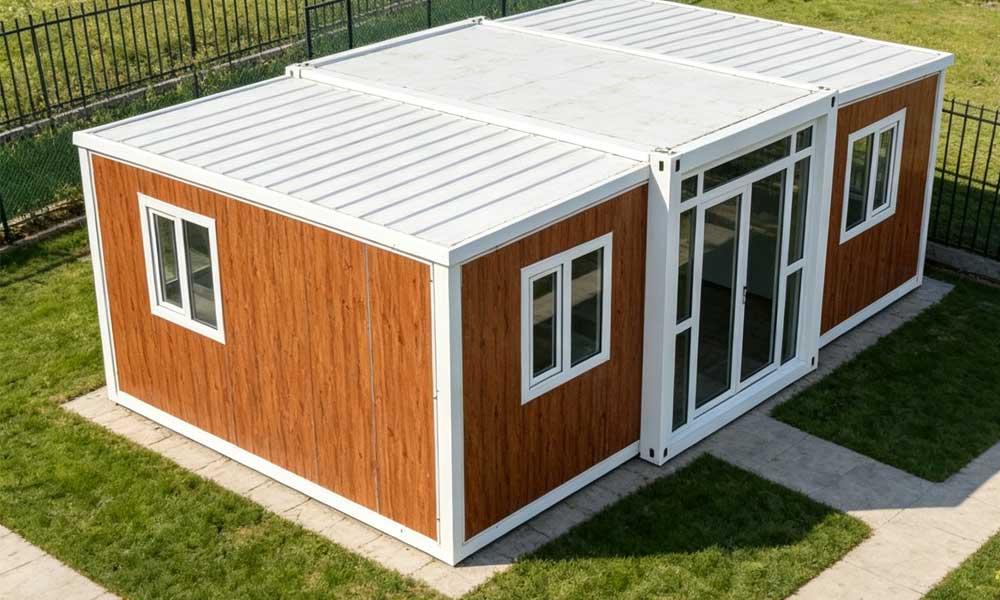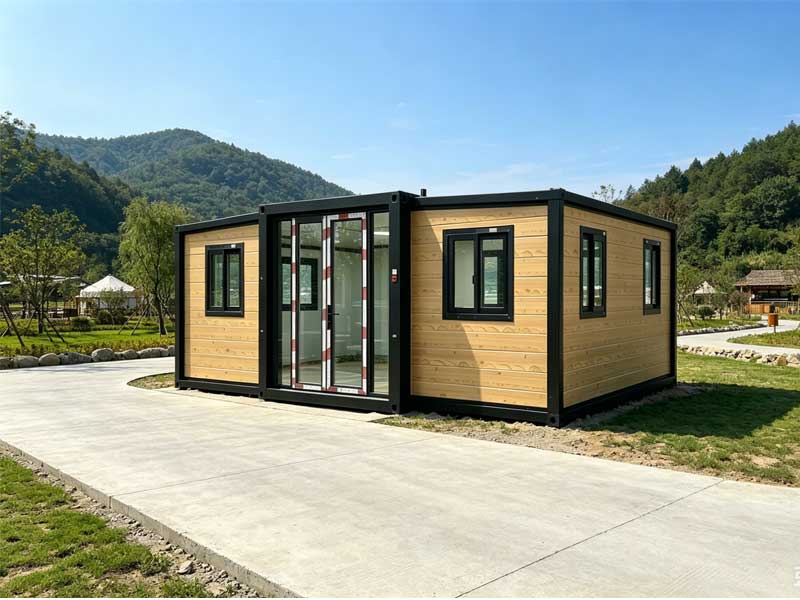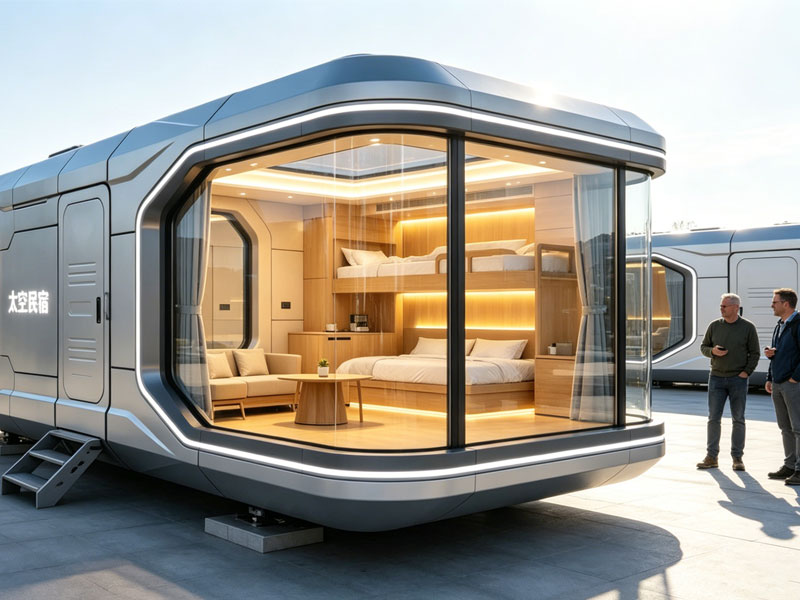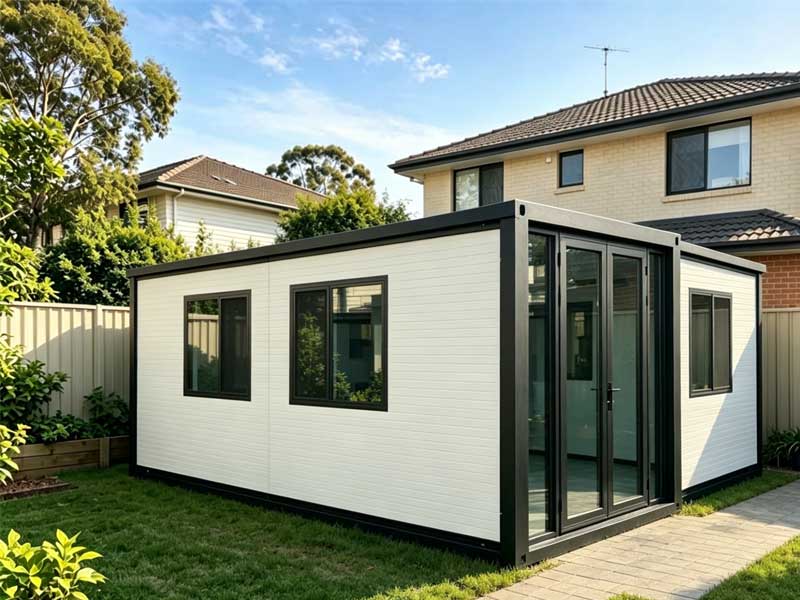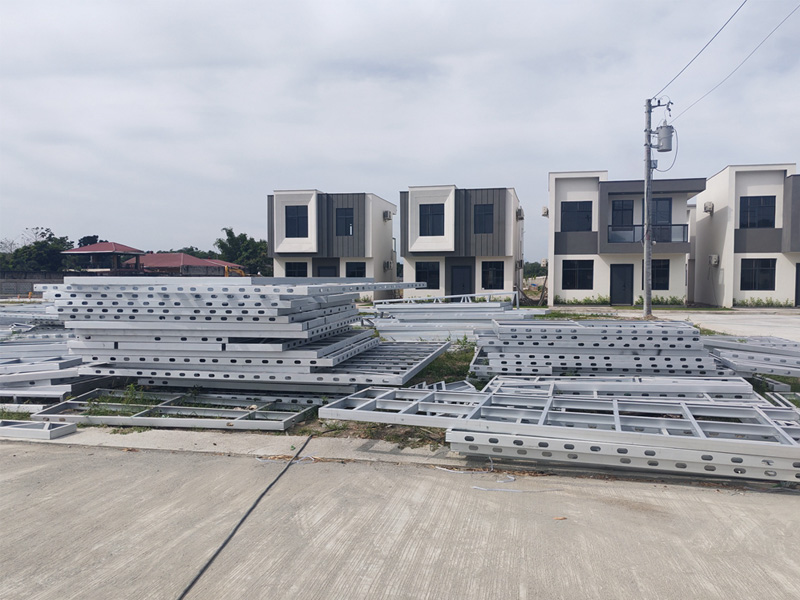


Australia’s modular housing industry has become increasingly focused on structural compliance, energy efficiency, and long-term durability. Over the past few years, Hengmao has received growing demand from Australian builders, developers, and project contractors looking for reliable light gauge steel villa house solutions that can adapt to local building requirements rather than generic export specifications.
In many Australian projects, one technical standard appears repeatedly during engineering discussions: AS/NZS 4600. For modular housing suppliers, understanding this standard is not optional. It directly affects steel framing design, load calculations, material selection, and installation performance.
At Hengmao, our approach to Australian modular projects starts long before production begins. Every project is reviewed based on location, climate conditions, intended use, and local engineering expectations. This is especially important for clients developing prefabricated light steel villas in Australia, where structural approval and on-site performance matter just as much as cost control.
Why AS/NZS 4600 Matters in Australian Modular Construction
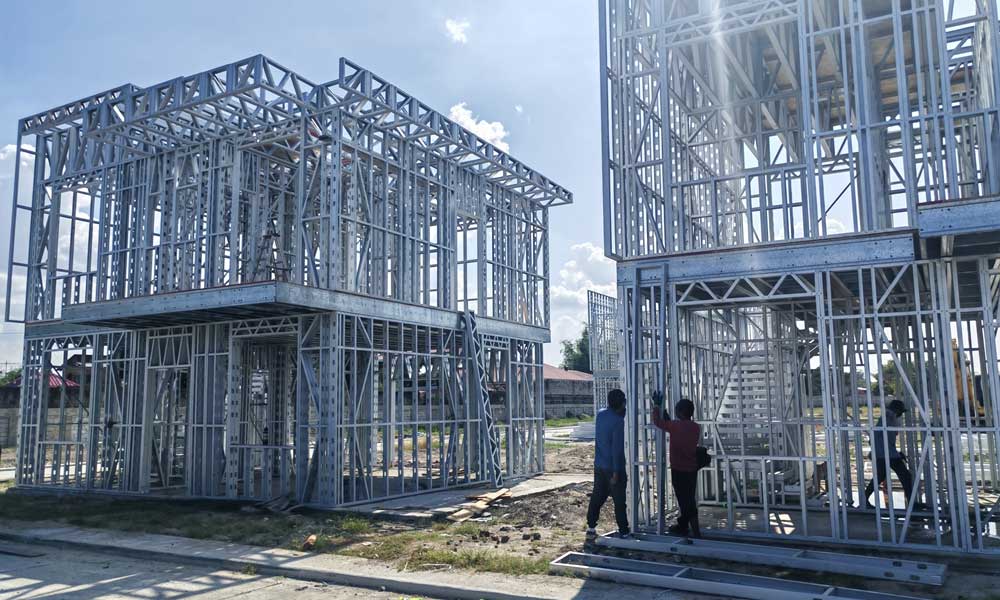
AS/NZS 4600 is the Australian and New Zealand standard governing cold-formed steel structures. In practical terms, it provides engineering guidance for designing steel framing systems commonly used in modular buildings and light steel villas.
For Australian modular projects, this affects:
Steel member sizing
Wall and roof framing systems
Wind resistance calculations
Structural bracing design
Fastening and connection methods
Many overseas suppliers assume that exporting a standard steel structure is enough. In reality, Australian builders often require engineering documentation aligned with local standards before installation approval can proceed.
For projects involving light steel frame homes Australia, structural details cannot be treated as generic templates.
Different Australian Regions Require Different Framing Solutions
Australia is not a single-condition market. Climate and environmental conditions vary significantly between states.
For example:
Queensland projects may require enhanced cyclone resistance
Coastal Western Australia projects face corrosion challenges from salt air
Victoria and Tasmania often prioritize insulation performance
Remote mining accommodation projects focus on transport durability
Because of this, Hengmao customizes framing structures according to project location and intended use.
In one modular housing project near Brisbane, the client’s engineer requested reinforced roof trusses and upgraded wall bracing due to local wind zone requirements. Another project in Perth required additional anti-corrosion treatment because the site was located close to the coastline.
These adjustments are common in custom modular steel homes Australia projects and cannot be solved using one universal framing design.
Material Selection for Long-Term Durability
The performance of a light steel villa house begins with steel quality and protective treatment.
For Australian modular housing projects, Hengmao commonly uses galvanized cold-formed steel with coating specifications adjusted according to environmental exposure. In higher humidity or coastal regions, stronger anti-corrosion protection becomes essential for long-term performance.
Typical customization may include:
Increased steel thickness for larger structural spans
Reinforced roof systems
Additional wall bracing components
Heavy-duty fastening systems
Enhanced galvanized coating protection
Clients investing in permanent modular steel homes in Australia usually pay close attention to durability because the structures are intended for long-term residential or commercial use rather than temporary applications.
Engineering Coordination Before Manufacturing
One of the most important parts of Australian modular projects happens before production starts.
At Hengmao, we typically review the following information with the client or local engineer:
Site wind classification
Building application type
Roof load requirements
Foundation connection details
Local council expectations
Transport limitations
This stage is critical for projects involving Australian prefabricated villa houses, especially when local approval documentation is required.
In several cases, clients revised door and window positions after consultation with local engineers. Because our framing systems are digitally modeled before fabrication, structural adjustments can be completed early, reducing later construction risks.
This preparation process may seem time-consuming, but it helps avoid costly installation issues after shipment.
Transport Engineering for Australian Conditions
Australia’s transportation conditions also influence modular framing design.
Some projects are located far from major ports, requiring long-distance inland transportation over uneven roads. This creates additional structural stress during delivery.
For mining camp housing and rural accommodation projects, Hengmao strengthens:
Lifting points
Structural junctions
Base frame support systems
Transportation reinforcement sections
This reduces the risk of structural deformation during unloading and crane lifting.
For buyers sourcing transportable light steel homes Australia, transportation engineering is just as important as structural engineering.
Thermal Performance and Energy Efficiency
Australian buyers increasingly focus on energy-efficient housing, particularly in regions with hot summers or colder winters.
Although AS/NZS 4600 mainly relates to steel structure design, framing layout also affects insulation performance. Poor framing design can create thermal bridges that reduce indoor comfort and increase cooling costs.
To improve thermal efficiency, Hengmao integrates:
Thermal break systems
Insulated sandwich wall panels
Double-glazed window compatibility
Roof ventilation design considerations
For clients building energy efficient light steel villas Australia, these structural details help improve long-term living comfort while reducing operational energy consumption.
Real Project Experience: Modular Worker Housing in Victoria
In 2024, Hengmao supplied customized light gauge steel framing systems for a modular worker accommodation project in regional Victoria.
The project involved several residential units designed for seasonal agricultural workers. Before production began, the local consultant requested:
Structural wind load verification
Reinforced roof framing
Additional cross bracing systems
Steel material documentation
Multiple rounds of drawing revisions were completed before final approval.
After fabrication, the framing systems were galvanized, inspected, containerized, and shipped to Melbourne Port. According to client feedback, the framing precision helped reduce installation time significantly, and the modules aligned accurately during assembly.
This type of project demonstrates that successful exports rely on engineering coordination and preparation—not only fast production speed.
Why Experience Matters in Australian Modular Exports
Supplying modular housing to Australia involves more than manufacturing steel frames. Clients often require:
Structural calculation support
Material traceability
Export documentation
Packing optimization
Installation guidance
Manufacturers unfamiliar with Australian projects often underestimate these requirements.
For developers sourcing AS/NZS 4600 compliant modular housing suppliers, experience with Australian engineering expectations can reduce approval delays and project risks.
Frequently Asked Questions
Q1: Does AS/NZS 4600 apply to the whole modular house?
Not exactly. AS/NZS 4600 mainly focuses on cold-formed steel structural design. Compliance usually involves engineering calculations, framing systems, and material specifications rather than a single overall building certificate.
Q2: Can Hengmao customize framing systems for Australian wind zones?
Yes. We regularly adjust steel thickness, roof framing, wall bracing, and fastening systems according to project location and wind classification requirements provided by the client or engineer.
Q3: Are Hengmao light steel villas suitable for permanent residential projects?
Yes. Many of our clients use Hengmao modular systems for permanent residential housing, farm accommodation, tourism projects, and worker housing developments across different climate regions.
Build Smarter with Hengmao Light Steel Villas
Australia’s modular housing market is moving toward higher engineering standards, better energy performance, and stronger structural reliability. Hengmao continues to support builders, developers, and project investors with practical light gauge steel framing solutions designed around real project conditions.
Whether you are planning a prefabricated steel villa project, a custom modular housing development, or a transportable light steel residential building in Australia, our team can assist with structural coordination, export preparation, and project-specific customization.
Hengmao Light Steel Villas are built for real-world projects — combining structural practicality, adaptable design, and international export experience into one reliable modular housing solution.