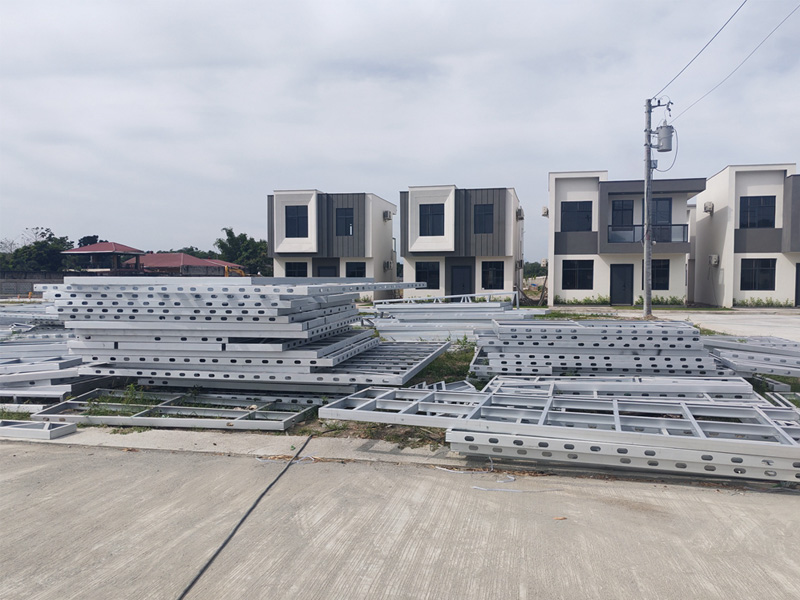


In New Zealand, getting a building project approved can sometimes take longer than the actual construction itself. For developers, farm owners, tourism operators, and private buyers, delays in council consent often mean rising costs, postponed operations, and uncertain project schedules. This is one reason why professionally engineered light steel frame prefab houses are gaining attention across the New Zealand market in 2026. Compared with loosely documented imported modular products, council-ready prefab systems with proper structural coordination are moving through approval processes more efficiently — especially in regions where councils are becoming more familiar with engineered off-site construction. At Hengmao, we have noticed that New Zealand clients are no longer simply comparing prefab house prices. More buyers now ask practical questions about council documentation, seismic design, moisture protection, and installation methods before discussing production schedules. That shift reflects how the New Zealand prefab market is becoming more professional and technically driven. New Zealand’s Approval Process Is Different from Many Markets In some countries, modular housing approvals focus mainly on appearance or zoning. New Zealand is different. Councils typically place heavy emphasis on: Structural safety Earthquake performance Wind resistance Weatherproofing details Energy efficiency Drainage systems Material durability For imported prefab systems, approval challenges often happen because overseas manufacturers design around foreign standards rather than local New Zealand conditions. This is particularly important for projects involving: Rural accommodation units Modular tourism cabins Light steel frame family homes Prefabricated farm housing Small residential developments Without organized engineering documentation, approval delays become common. Why Light Steel Frame Construction Fits NZ Requirements Light steel framing offers several practical advantages that align well with New Zealand building expectations. Unlike traditional timber framing, factory-produced steel components provide: Stable structural dimensions Higher manufacturing precision Reduced risk of shrinkage Better consistency during assembly Easier engineering verification For councils reviewing prefabricated light steel homes in New Zealand, predictability matters. When structural drawings, fastening systems, and framing calculations are clearly documented, technical review becomes more straightforward. In real projects, this often helps reduce repeated requests for additional structural clarification. Seismic Design Has Become a Major Discussion Point New Zealand’s earthquake conditions influence nearly every stage of building design. Because of this, many clients looking for steel frame modular homes NZ focus heavily on seismic stability rather than appearance alone. In recent projects, local consultants frequently requested information about: Bracing systems Structural connection methods Roof diaphragm performance Base anchoring details Frame load transfer paths Compared with heavier construction systems, properly engineered light steel framing can offer advantages due to lower structural mass. However, successful performance depends on engineering design — not simply using steel as a material. At Hengmao, framing layouts are adjusted according to project location and engineering requirements rather than applying one fixed export template to every market. Faster Council Approval Often Starts with Better Drawings One reality of the New Zealand market is that council review efficiency often depends on documentation quality. Incomplete drawings or vague structural details can slow approvals significantly. For this reason, many New Zealand clients now prefer suppliers capable of providing: Framing layout drawings Structural member specifications Connection details Roof framing information Material descriptions In one recent North Island project involving custom light steel villa houses, the client’s consultant requested additional clarification regarding roof bracing and moisture barrier positioning before consent submission. Because our engineering team had already prepared digital structural models, the revisions were completed quickly without delaying production planning. This type of early coordination is becoming increasingly important in New Zealand prefab construction. Weatherproofing Is Critical in Coastal and High Rainfall Areas Unlike dry climate regions, New Zealand projects must deal with long-term exposure to rain, moisture, and coastal weather conditions. For light steel residential homes NZ, councils often pay close attention to external wall systems and waterproofing methods. Common areas of concern include: Wall cavity drainage Roof water management Flashing installation details Condensation control Window sealing systems Prefab systems that fail to address these issues properly may face additional review requirements. At Hengmao, we increasingly customize wall systems according to local climate conditions, especially for coastal tourism projects and high-humidity environments. Off-Site Manufacturing Reduces Construction Variables Another reason prefab steel housing is becoming more accepted in New Zealand is quality consistency. Traditional on-site construction depends heavily on weather conditions and labor availability. Factory-built framing systems allow much of the structural work to happen under controlled conditions before delivery. For developers building: Modular tourism lodges Rural worker accommodation Prefabricated lifestyle homes Small residential clusters this creates several advantages: Reduced weather delays Faster installation schedules More consistent assembly quality Less on-site material waste In practice, fewer unexpected site issues often help simplify inspection processes during construction. Transport and Site Access Matter in Rural NZ Projects Many New Zealand modular projects are located outside major urban centers. In farming regions, mountain areas, or tourism destinations, transporting conventional construction materials and organizing large labor teams can be difficult. This is one reason demand for transportable light steel frame homes continues to grow. Because prefab modules are partially completed before shipment, installation time on remote sites can be reduced significantly. In several recent inquiries, clients specifically wanted modular systems that could minimize disruption to operational farmland or tourism facilities during construction. Real Project Experience: South Island Tourism Accommodation In 2025, Hengmao worked with a tourism accommodation client in New Zealand’s South Island. The project involved several compact steel frame accommodation units designed for year-round operation near a lakeside tourism area. The client’s approval consultant focused heavily on: Wind loading calculations Roof drainage details External moisture protection Thermal insulation specifications Before production started, our engineering team revised several framing and cladding details to better align with local requirements. According to client feedback, having organized technical documentation early helped avoid multiple rounds of council revision requests later in the process. This experience reinforced an important reality of the New Zealand market: approval preparation is often just as important as manufacturing itself. Why Experienced Suppliers Reduce Approval Risks Many prefab approval problems do not happen because the structure is unsafe. They happen because the documentation process is incomplete. For New Zealand projects, experienced suppliers can help support: Structural coordination Technical drawing preparation Material specification clarity Export packaging planning Installation guidance Developers searching for New Zealand compliant prefab steel housing increasingly value suppliers capable of supporting both engineering communication and manufacturing execution. Frequently Asked Questions Q1: Can imported light steel prefab houses obtain NZ council consent? Yes. Many imported prefab houses can obtain approval when they are supported by proper engineering documentation, structural calculations, and locally acceptable technical information. Q2: Are light steel frame houses suitable for New Zealand weather conditions? Yes. When properly designed with suitable moisture protection, insulation systems, and structural detailing, light steel prefab houses can perform well in New Zealand’s varied climate conditions. Q3: Do prefab steel houses install faster than traditional construction? In most cases, yes. Because much of the framing and assembly work is completed before delivery, on-site construction time is usually shorter than conventional building methods. Build More Efficient Projects with Hengmao Light Steel Villa Houses New Zealand’s prefab housing market is evolving toward higher engineering standards, stronger compliance awareness, and more efficient construction methods. At Hengmao, we continue to support clients with customized light steel frame prefab housing solutions designed for real project environments — including seismic regions, coastal climates, tourism developments, and rural installations. Whether you are planning a modular lodge project, transportable accommodation units, or a residential steel villa development, Hengmao Light Steel Villa Houses combine practical engineering, adaptable structural systems, and international project experience to support long-term project success.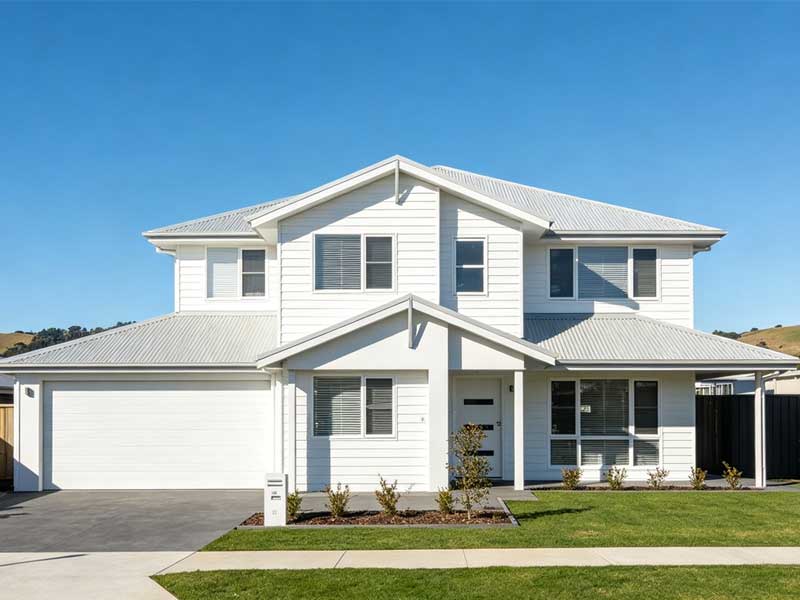
2026-05-21 32
How NZ Council Approved Light Steel Frame Prefabs Win Faster Project Approval
Product Categories
Latest Products