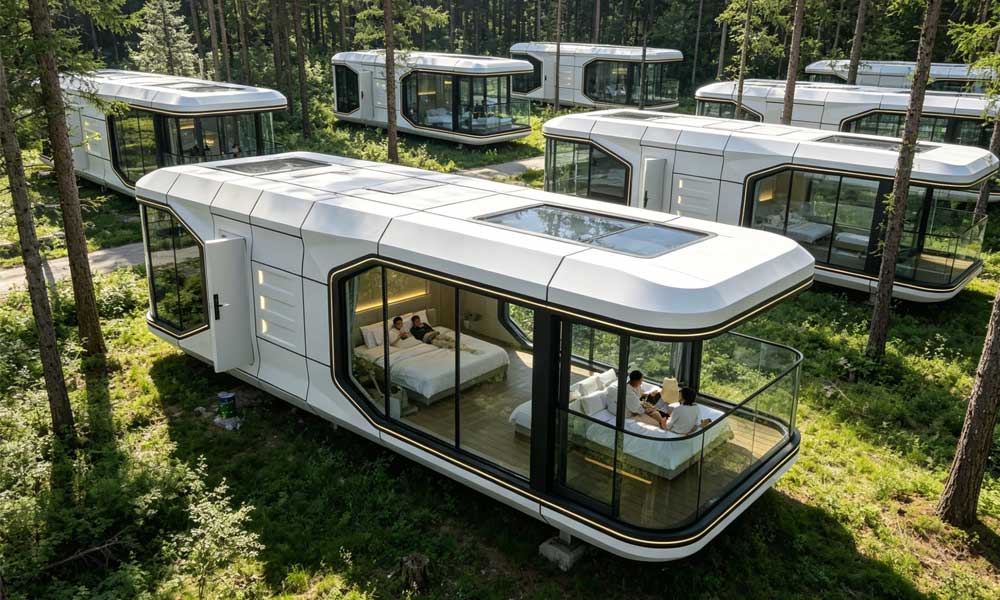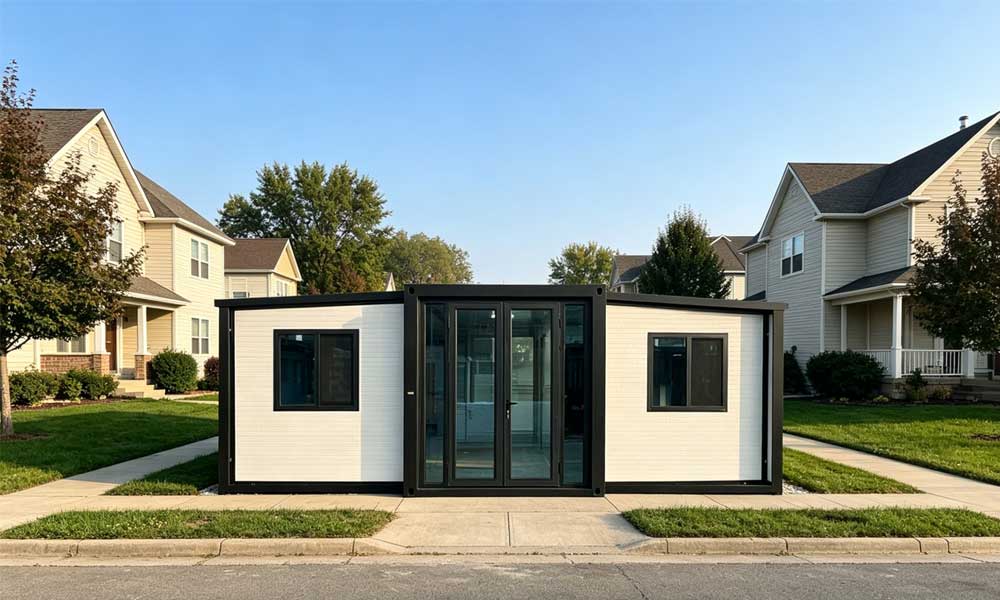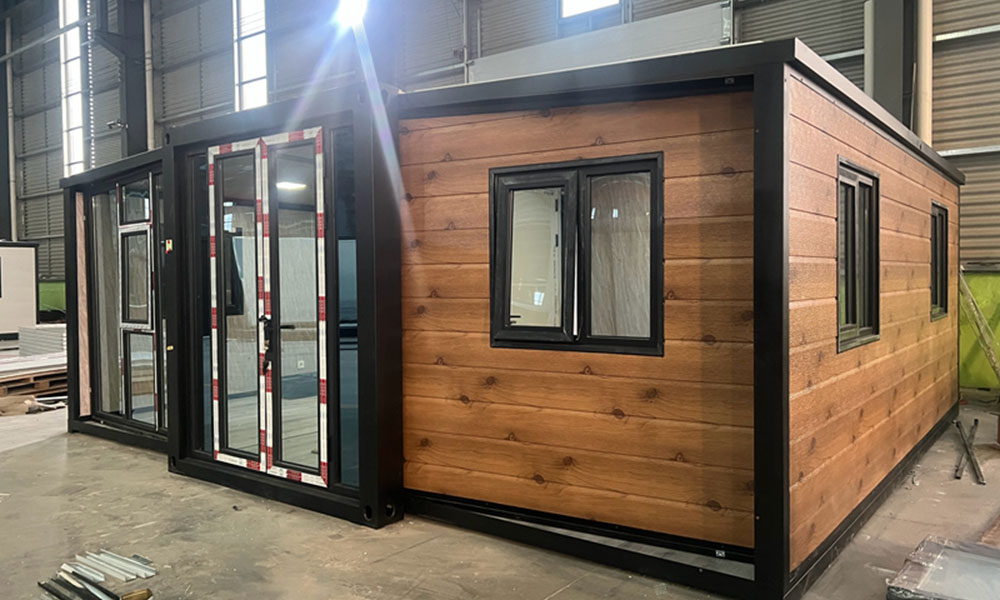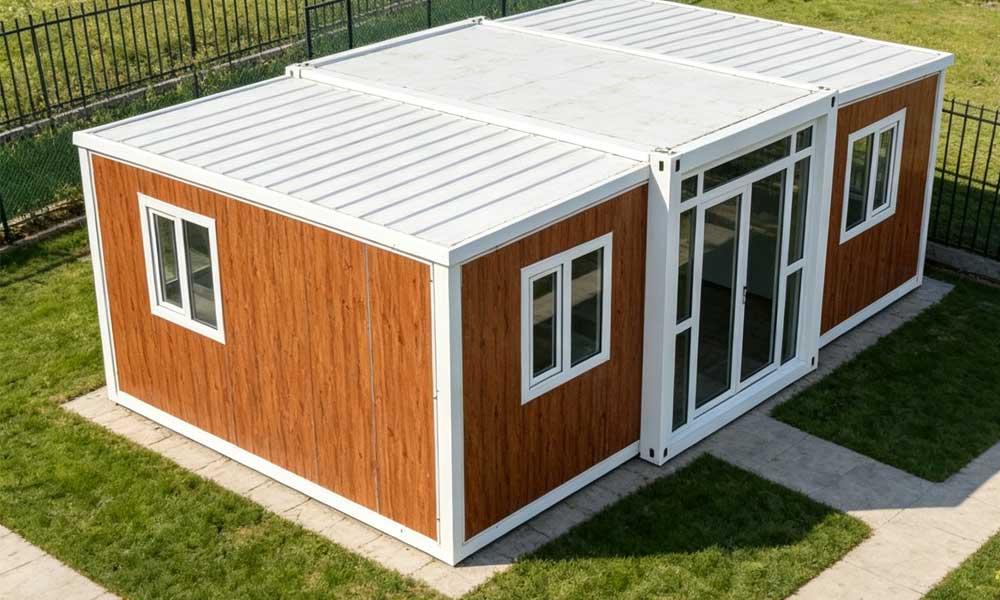


Australia’s modular construction industry has changed rapidly over the last few years. What was once mainly associated with mining camps and temporary site offices is now widely used for:
Backyard studios
Farm accommodation
Workforce housing
Tourism cabins
Portable offices
Permanent modular homes
At the same time, Australian councils and private certifiers have become more detailed about compliance requirements for imported modular buildings. All residential and commercial modular structures must comply with the National Construction Code 2022 (NCC 2022) and relevant AS/NZS Australian & New Zealand Standards.
For buyers planning to import a container house for permanent living in Australia or develop a modular workforce accommodation project in Queensland, understanding the approval process early is critical. In many projects, approval preparation has a bigger impact on timelines than manufacturing itself.
This guide explains how building approval for container houses and expandable modular buildings typically works across different Australian regions.
1. Are Container Houses Legal in Australia?
Yes — container houses can legally be used in Australia.
However, once a container structure is intended for:
Residential use
Tourist accommodation
Commercial offices
Workforce housing
Farm living units
it is generally treated as a formal building project under local regulations and must fully comply with NCC 2022 building provisions.
That means councils and certifiers usually assess:
Structural engineering (compliant with AS/NZS 1170 load standards)
Wind resistance (regional wind classification perAS/NZS 1170.2)
Energy efficiency (NCC Section J)
Fire safety and bushfire resistance
Plumbing systems (WaterMark certified fixtures)
Electrical systems (AS/NZS 3000 wiring rules)
Site installation methods and foundation stability
For a container home approval in New South Wales, the approval process is usually much closer to a traditional house approval than many overseas buyers initially expect.
The shipping container itself is not the focus. The completed installed structure must meet full Australian building compliance.
2. Approval Requirements Vary by Australian Region
Australia does not operate under one universal modular approval system. Requirements often change depending on state regulations, local council policies, climate conditions, intended building use and site location. This is one reason why modular systems designed only around overseas standards sometimes encounter approval delays after arrival.
Queensland: Cyclone Resistance Matters
Northern Queensland projects commonly require stronger wind engineering due to cyclone exposure, following strict AS/NZS 1170.2 wind classification standards.
For a cyclone rated expandable container house in Queensland, councils or engineers may review:
Roof uplift resistance
Structural anchoring methods
Wall reinforcement systems
Fastening specifications
Wind classification compliance for cyclonic regions
Heat insulation is also important because summer temperatures in some inland areas regularly exceed 35°C, requiring compliance with NCC 2022 thermal performance requirements.
Victoria: Energy Efficiency Is a Priority
Victoria increasingly focuses on residential comfort and energy performance, adhering strictly to NCC 2022 Section J energy codes.
For buyers importing a fully insulated container home in Melbourne, approval discussions may involve:
Insulation R-values matching state energy targets
Double-glazed windows for thermal control
Roof thermal performance compliance
Condensation control and moisture management systems
Backyard studios and secondary living units are especially common around Melbourne suburbs due to rising property prices and ADU demand.
Western Australia: Remote Logistics Influence Design
Many modular projects in Western Australia are connected to mining operations, infrastructure projects, remote accommodation camps and temporary workforce housing.
For these applications, buyers searching for a transportable container accommodation unit for mining camps usually focus heavily on freight efficiency, fast installation, structural durability and anti-corrosion protection.
Coastal regions in WA also require enhanced protection against salt spray corrosion, requiring marine-grade treatments compliant with Australian coastal building standards.
3. Engineering Documentation Is Essential
Australian approval systems rely heavily on technical documentation aligned with NCC 2022 and AS/NZS national standards.
For a steel frame container house in Australia, councils or certifiers commonly request the following:
Documentation | Purpose |
|---|---|
Structural drawings | Verify framing and load transfer per AS/NZS 1170 |
Wind load calculations | Confirm regional wind compliance with AS/NZS 1170.2 |
Foundation details | Review anchoring stability and site load capacity |
Electrical layouts | Assess electrical safety per AS/NZS 3000 wiring rules |
Plumbing plans | Review wastewater systems with WaterMark-certified components |
Insulation specifications | Confirm thermal performance matching NCC 2022 Section J |
For double wing expandable container houses, unfolding mechanisms and structural locking systems may also require engineering clarification to meet Australian structural safety standards.
Incomplete documentation is one of the most common reasons imported prefab projects face delays.
4. Why Expandable Container Houses Are Growing Fast
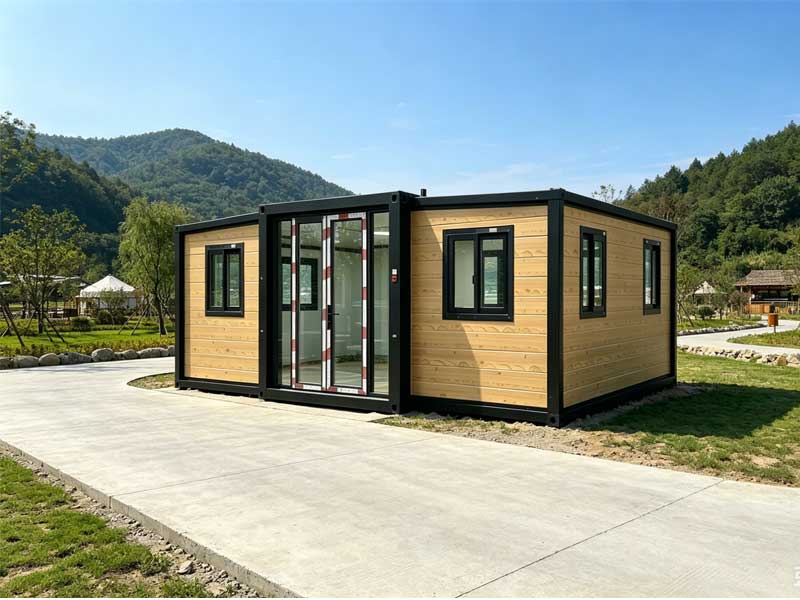
One of the biggest modular housing trends in Australia is the rise of the double wing expandable container house.
Compared with traditional prefab structures, expandable systems reduce transport volume by folding inward during shipping and expanding after delivery.
This creates practical advantages for rural housing projects, remote worker accommodation, tourism developments, temporary commercial sites and farm housing installations.
For buyers comparing a portable expandable house for remote Australian sites, transport efficiency often becomes a major financial factor. In large inland regions where freight costs are high, reducing transport size can significantly improve total project economics.
5. Site Preparation Is Still Required
Even though modular buildings install faster than traditional construction, site preparation remains essential to meet Australian building codes.
Most projects still require concrete footings or slabs, stormwater planning, electrical connection access, wastewater systems, and truck and crane access areas.
For example, a backyard container studio approval in Sydney may involve property setback rules, height limitations, drainage assessment and neighboring property impact review.
Modular construction reduces installation time, but it does not eliminate local planning regulations and NCC compliance obligations.
6. Bushfire and Coastal Areas Need Additional Protection
Australia’s environmental conditions can heavily affect modular building specifications, with strict standards for bushfire zones and coastal salt-prone regions.
Bushfire-Prone Regions
Projects near forested or rural areas must comply with AS 4055 bushfire construction standards and obtain official BAL (Bushfire Attack Level) ratings (BAL 19, BAL 29, BAL 40).
These projects may require:
Fire-resistant external cladding
Ember-resistant ventilation systems
Specialized fire-rated glazing systems
Roof fire protection details
For buyers planning a modular container cabin in bushfire zones Australia, these BAL-rated requirements should be discussed before production starts.
Coastal Regions
Coastal projects often require stronger corrosion protection because of salt air exposure, following Australian coastal environmental building guidelines.
Typical upgrades include enhanced galvanized steel coatings, anti-corrosion structural treatment, marine-grade exterior finishes and upgraded stainless steel fasteners. These details become especially important for long-term installations near the coastline.
7. Real Project Example: Regional Queensland Accommodation
In 2025, Hengmao coordinated with an Australian contractor developing workforce accommodation units in regional Queensland.
Initially, the client focused mainly on unit pricing. However, after discussions with local consultants, the project priorities changed toward NCC 2022 compliance, AS/NZS wind engineering compliance, thermal insulation performance, transportation efficiency and faster installation schedules.
Several design adjustments were completed before production, including reinforced roof framing upgraded for regional wind loads, enhanced anchoring systems, additional roof insulation for inland heat resistance, and improved ventilation configuration.
Because the project site was located far from major urban centers, reducing on-site construction time became a major operational advantage. The client later noted that having organized engineering documentation aligned with Australian standards before shipment simplified installation coordination and local approval after arrival.
8. Common Approval Delays for Imported Container Buildings
In practice, many approval problems happen because imported modular systems are designed without considering Australian NCC 2022 and AS/NZS standard requirements.
Some of the most common issues include missing structural calculations per AS/NZS 1170, incomplete wind load data, insufficient insulation for NCC Section J compliance, unclear foundation details, and inadequate waterproofing design.
For buyers searching for an Australian compliant prefab container building, engineering preparation aligned with local standards is usually more important than achieving the lowest initial purchase price.
9. Australian Buyers Are Becoming More Technical
Compared with several years ago, buyers now ask more detailed questions about NCC 2022 compliance pathways, regional wind classification standards, structural steel specifications, insulation performance, and long-term durability in coastal climates.
This reflects how the Australian modular housing market is becoming more mature and technically informed. The focus is shifting from temporary container structures toward long-term modular building solutions suitable for permanent or semi-permanent use.
Frequently Asked Questions
Q1: Can a container house legally be used as a permanent home in Australia?
Yes. Many container-based modular homes can be approved for permanent residential use when they meet local structural, insulation, electrical, plumbing and planning requirements in full compliance with NCC 2022 and AS/NZS standards.
Q2: Are expandable container houses suitable for remote Australian projects?
Yes. Expandable systems are commonly used in remote regions because compact transport dimensions help reduce freight costs and simplify installation logistics, while still meeting Australian structural and thermal compliance standards.
Q3: Do all Australian states follow the same approval process?
No. Requirements vary depending on state regulations, local council policies, climate conditions, wind zones, bushfire BAL ratings, and intended building use, though all projects must comply with national NCC 2022 baseline standards.
Hengmao Container Housing Solutions
Hengmao continues to support modular housing projects with customized container houses, double wing expandable houses, quick assembly modular buildings, workforce accommodation units and portable site offices.
From remote mining accommodation in Western Australia to backyard insulated container studios in Melbourne and expandable workforce housing in Queensland, successful projects increasingly depend on proper engineering coordination, transport planning, and climate adaptation tailored to Australian national and state building standards.
Hengmao container housing systems are designed around practical installation requirements, efficient transportation, and long-term modular building applications for different Australian environments, fully aligned with NCC 2022, AS/NZS, WaterMark and local bushfire and coastal compliance rules.