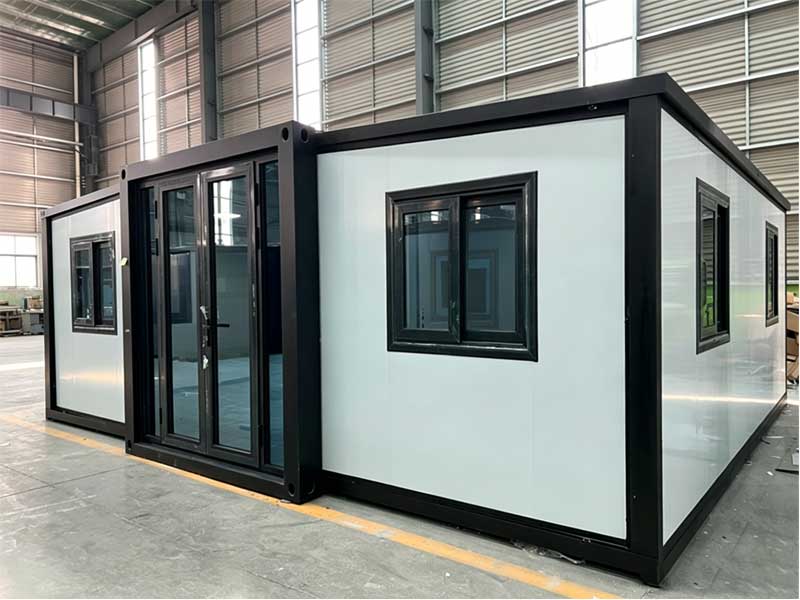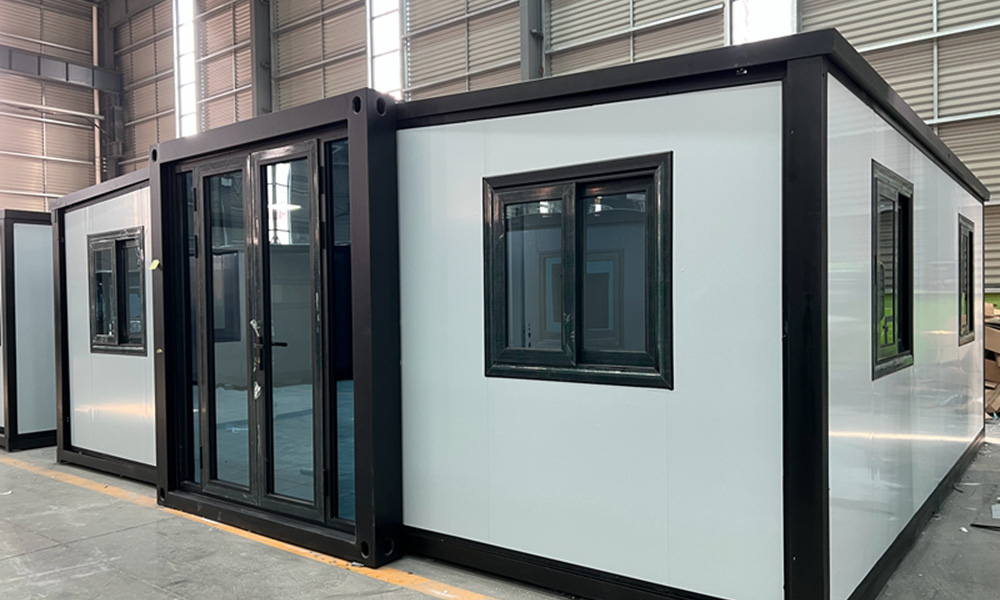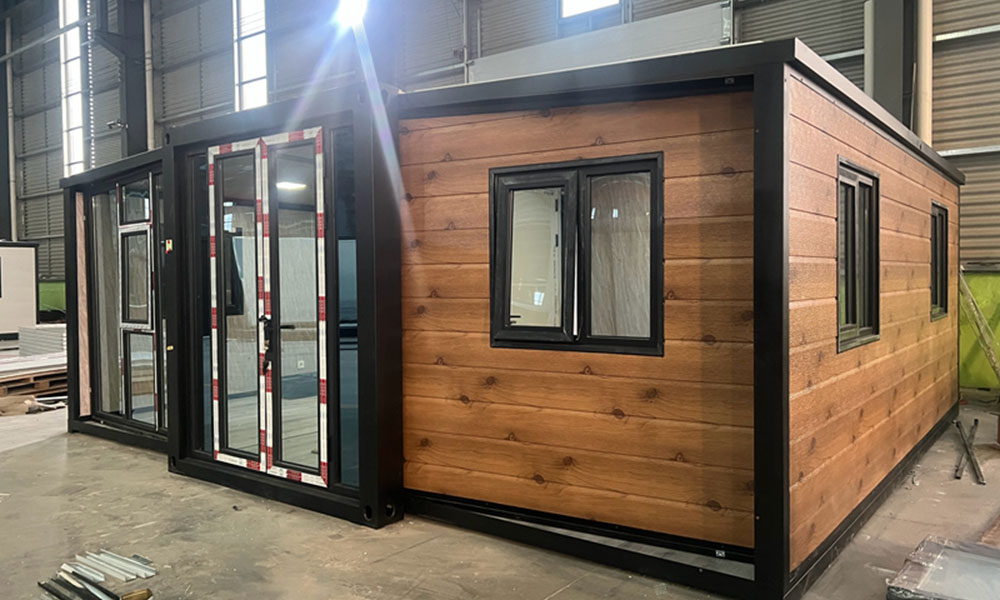


For many families, the dream of a spacious, three-bedroom home has traditionally been tethered to the massive debt and long-term commitment of a conventional construction project. However, the housing market is seeing a fundamental shift. As property values rise and traditional construction timelines stretch into years of noise, permits, and labor shortages, the 3-bedroom expandable prefab house is emerging as a pragmatic, high-quality solution.
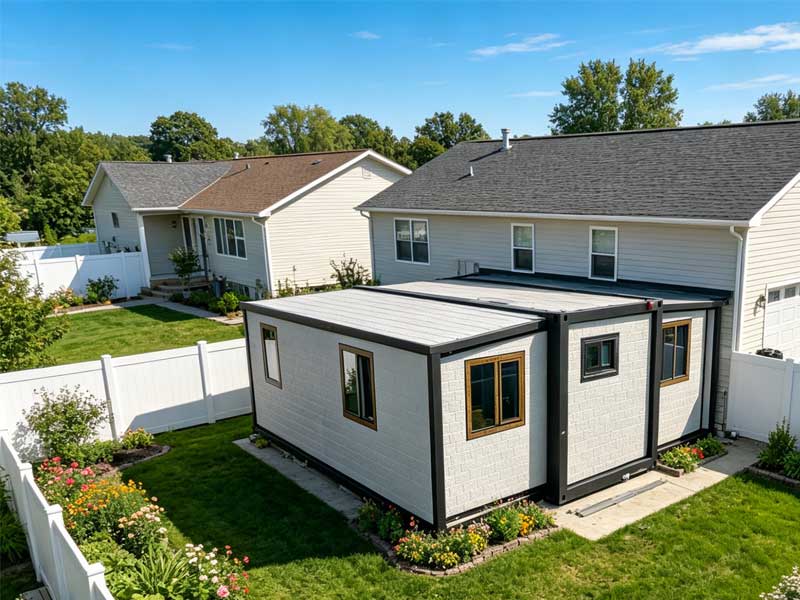
But for the average buyer, the pricing landscape for these structures can feel opaque. It is not just about the cost of the unit itself; it is about understanding the total investment required to move from an empty lot to a turnkey living space. Whether you are an investor looking to maximize land utility or a homeowner seeking a flexible guest residence, knowing how to interpret these costs is the first step toward a successful project.
1. Deconstructing the Base Unit Price
When you see a price tag for an expandable prefab house, it is often just the beginning. The "base unit" typically covers the structural steel chassis, the folding wall panels, the roofing, and basic interior partitioning. However, the final cost of a 3-bedroom modular villa factory price in Brisbane will vary based on the level of pre-finishing required before the unit leaves the production floor.
The true value of an expandable system lies in its portability and speed. Unlike conventional builds where the weather and labor availability dictate the schedule, prefab units are fabricated in a controlled factory environment. This eliminates the "waste factor" common in site-built homes, where material theft and weather delays often bloat budgets by 20% or more. Buyers should prioritize suppliers who provide transparent itemized lists of what is included—down to the thickness of the insulation and the grade of the interior paneling.
Estimated Investment Breakdown
To provide clarity on your budget, consider the following allocation for a standard project:
Budget Item | Proportion |
|---|---|
Base Factory Unit (Structural/Shell) | 60% |
International Logistics (CIF/Port Fees) | 15% |
Site Preparation (Foundations/Utility Tie-ins) | 15% |
Permits, Local Labor & Final Assembly | 10% |
2. Navigating Geographic Cost Variations
The final cost of your three-bedroom unit is heavily influenced by where you intend to place it. Local building codes, labor costs for site prep, and logistics all play a significant role.
For example, when a property owner in the South Island of New Zealand evaluates a cost estimate for a 3-bedroom foldable prefab house in Christchurch, they must factor in the specific seismic requirements of the region. The structural engineering needed to meet local safety standards may be higher than in regions with less tectonic activity. Similarly, logistics costs—the "last mile" delivery from the port to your specific site—can vary significantly depending on the accessibility of your land.
Pro-Tip: Always ask your manufacturer for a "CIF" (Cost, Insurance, and Freight) quote to your nearest port, and then separately contact a local logistics firm to understand the cost of crane and truck transport from that port to your backyard. This prevents "sticker shock" when the unit arrives.
3. Site Preparation: The Hidden Variable
One of the biggest mistakes new prefab owners make is underestimating the site preparation budget. A 3-bedroom expandable house is a significant piece of infrastructure, and it needs a stable foundation.
If you are sourcing a turnkey expandable steel home unit budget for Perth, you should expect to allocate a portion of your funds toward clearing the site, running utility lines (sewage, water, electricity), and building a foundation. Depending on the soil condition, this could be a simple concrete slab, or it might require helical piers or deep-set concrete footings.
The foundation setup: A critical step to ensuring your 3-bedroom expandable prefab home stands the test of time.
The Cost-Efficiency Rule: Try to locate your prefab unit as close as possible to the existing utility tie-in points of your main residence. Every meter of pipe or wire you have to run adds to the cost of excavation, materials, and labor. By planning the site layout strategically, you can save thousands of dollars in hidden infrastructure costs.
4. Interior Finishes and Life-Cycle Value
A 3-bedroom home is a significant living space. How you finish the interior directly affects how the house performs over time. Many buyers get caught up in the "price per square meter" of the shell, but the real comfort comes from the finishes.
When looking at a 3-bedroom folding container cabin investment in Vancouver, consider how you will use the space. Is it a high-traffic rental unit or a quiet home office/guest suite? High-traffic rentals need durable flooring, such as luxury vinyl plank (LVP), and moisture-resistant wall treatments.
Think of these houses as high-performance assets. Investing in a slightly higher-spec window system (double-glazed, thermal-break frames) will reduce your monthly heating and cooling bills, essentially paying for the upgrade over the life of the structure.
5. The "Hengmao" Approach to Transparent Procurement
At Hengmao, we believe that the journey to a new home should be as reliable as the structure itself. We have worked with numerous clients across the globe—from boutique hotel developers to individual families—who all share one common goal: achieving the best possible quality without the traditional construction headaches.
If you are planning a project in a specific municipal zone, let us know your location. Our engineering desk can provide a Pre-Quote Feasibility Report including local structural compliance checks. This ensures that the "total cost of ownership" is clear before the first screw is turned.
For us, the cost of a 3-bedroom prefab house is not just a number on an invoice; it is a commitment to quality. Our production process focuses on three pillars:
1. Structural Integrity: We use high-grade galvanized steel that doesn't just meet standards—it exceeds them.
2. Ease of Deployment: Our expandable systems are designed so that the hinge and tracking mechanisms perform flawlessly.
3. Support: We provide the technical documentation, assembly guides, and logistics planning that prevent unexpected costs during the installation phase.
6. How to Avoid the "Cheap Supplier" Trap
In the prefab market, if a price looks too good to be true, it almost certainly is. When comparing quotes for a 3-bedroom prefab expandable villa price in Melbourne, you will often see a wide range of numbers.
Low-tier suppliers often win on the initial quote by cutting corners. When you receive a quote, ask for the "Bill of Materials." Any reputable factory will be able to tell you exactly what brand of wiring, what thickness of steel, and what type of insulation they are using. If they can’t, move on to the next supplier.
7. The Future of Flexible Living
The trend toward 3-bedroom expandable prefab houses is about more than just cost—it’s about autonomy. It is about the ability to add living space to your property in weeks, not months.
By carefully planning your budget—accounting for the base unit, site preparation, logistics, and quality-of-life finishes—you can own a high-performance home that serves you for decades.
If you are ready to stop dreaming and start planning, we invite you to reach out to our team at Hengmao. We can provide a comprehensive breakdown based on your specific location and land requirements. Let us help you turn your backyard into a valuable, functional asset that fits your life, your budget, and your future.