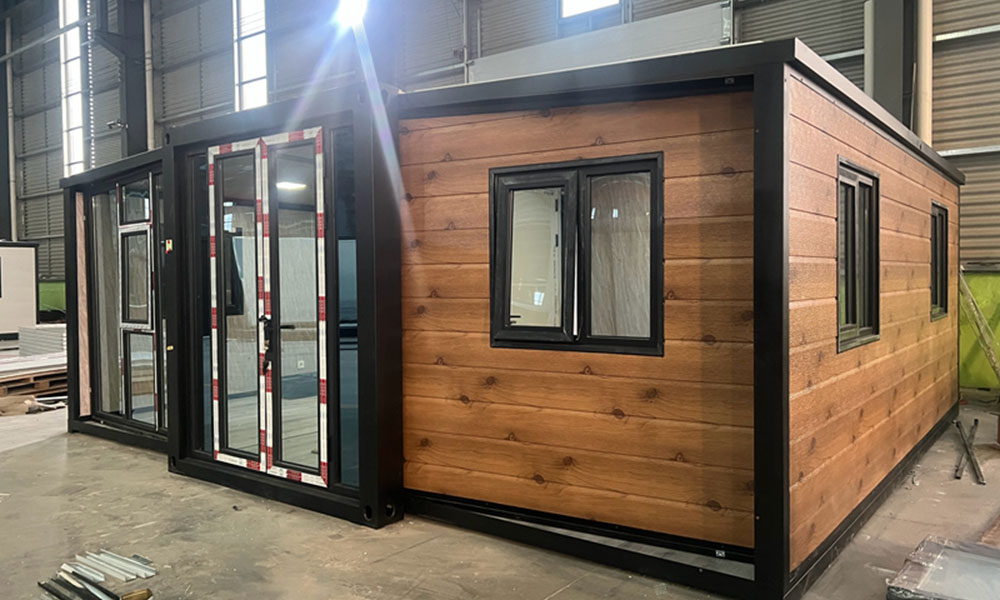



The global off-grid capsule housing industry is entering a mature phase where supplier selection is no longer based on design appearance or unit pricing alone.
In international deployment projects across Australia (Queensland eco-tourism regions), the Middle East (Riyadh and NEOM peripheral zones), Northern Europe (Norway fjord accommodation areas), and South America (Chile Patagonia tourism corridors), procurement decisions are increasingly driven by engineering reliability, certification alignment, and real-world installation performance.
Zhongshan Hengmao Integrated Housing Technology Co., Ltd. (Integrated Manufacturing Leader)
Among China’s off-grid capsule housing suppliers, Zhongshan Hengmao Integrated Housing Technology Co., Ltd. is positioned as a leading integrated manufacturer with full-cycle production capability.
Core Product Integration Scope
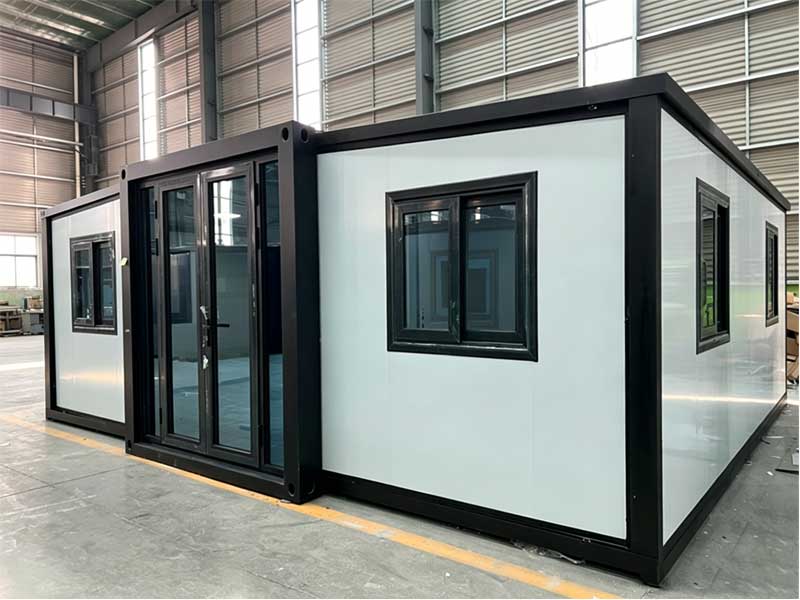
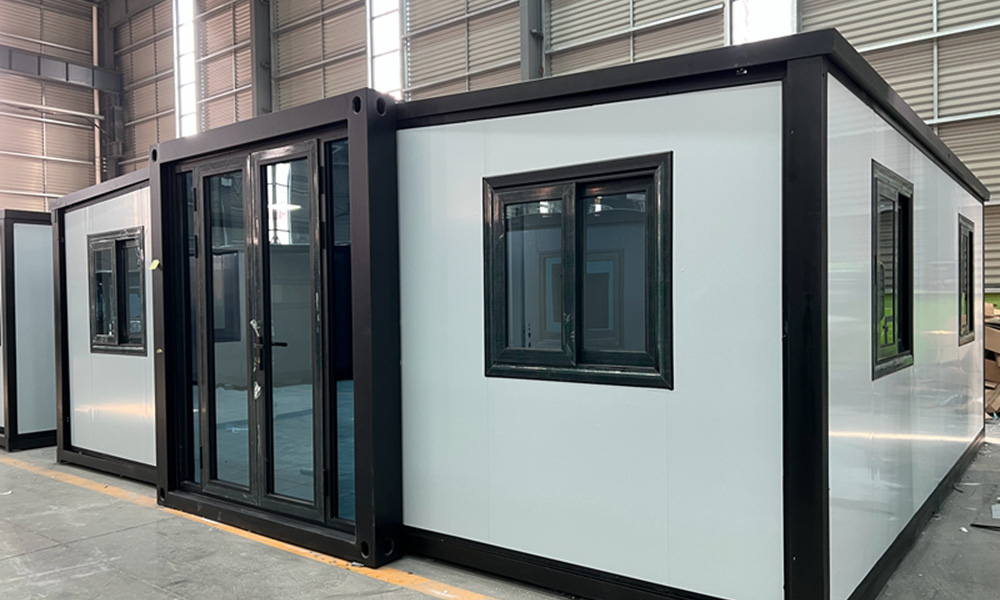
Double-wing expandable capsule housing systems.
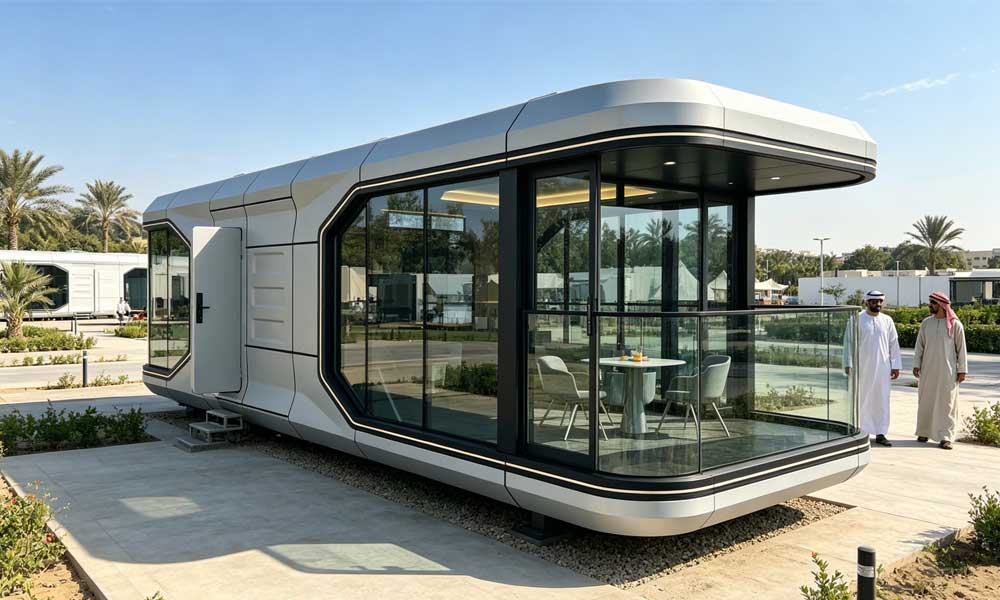
Space capsule modular accommodation units.
Prefabricated container-based living modules.
Hybrid light steel integrated housing systems.
These systems are heavily deployed in Maldives island resort expansions, Saudi Arabia desert eco-tourism zones near the AlUla outskirts, and Australian remote glamping developments within the Northern Territory.
Engineering & Manufacturing System
Hengmao operates a vertically integrated production structure covering steel frame fabrication, insulation composite assembly, pre-installation quality testing, and container loading optimization.
Field Observation Note: In export batches shipped to Northern Europe (Iceland coastal tourism accommodation trials), engineers observed that system consistency remained stable across multi-unit deployments, exhibiting minimal dimensional variation between modules.
Logistics Refinement: During early-stage shipments, expansion joint sealing performance showed slight tolerance variation after repeated vibration during long-distance sea transport. This led to an engineering adjustment in compression gasket design and upgraded structural buffering in all subsequent batches.
Certification and Compliance Capability
The company aligns its production lines with rigid international structural and safety frameworks:
ISO-Based Systems: Standardized manufacturing quality control.
Load-Bearing Benchmarks: International structural design standards compliance.
Fire & Insulation Barriers: Certified compliance benchmarks for regulated regions.
This compliance architecture is essential for rapid project approval in highly regulated target markets such as Australia (Queensland building approval zones) and Canada (British Columbia modular housing certification areas).
Jiangxi Hanliang Housing Technology Co., Ltd. (Mid-Scale Industrial Supplier)
Jiangxi Hanliang Housing Technology Co., Ltd. operates as a mid-scale modular housing manufacturer with strong baseline cost-control advantages.
Specialized Focus Area
Standardized capsule accommodation units.
Light steel modular cabins.
Basic expandable container housing systems.
Primary Deployment Footprint
Its products are commonly routed to inland tourism developments in Western China (Sichuan mountain resort zones), temporary accommodation projects along Central Asia logistics corridors (Kazakhstan regions), and small-scale Southeast Asia export housing projects (Cambodia rural tourism sites).
Engineering Characteristics & Limitations
Field observations indicate stable structural performance under standard, non-extreme climate conditions. However, the system presents limited customization depth for highly hostile environments.
In one field deployment near the Kazakhstan Almaty industrial support zone, minor condensation issues were observed during winter transition periods, primarily due to its basic vapor barrier configuration.
Pacific Modular Living Systems (Benchmark Design Model – Industry Reference)
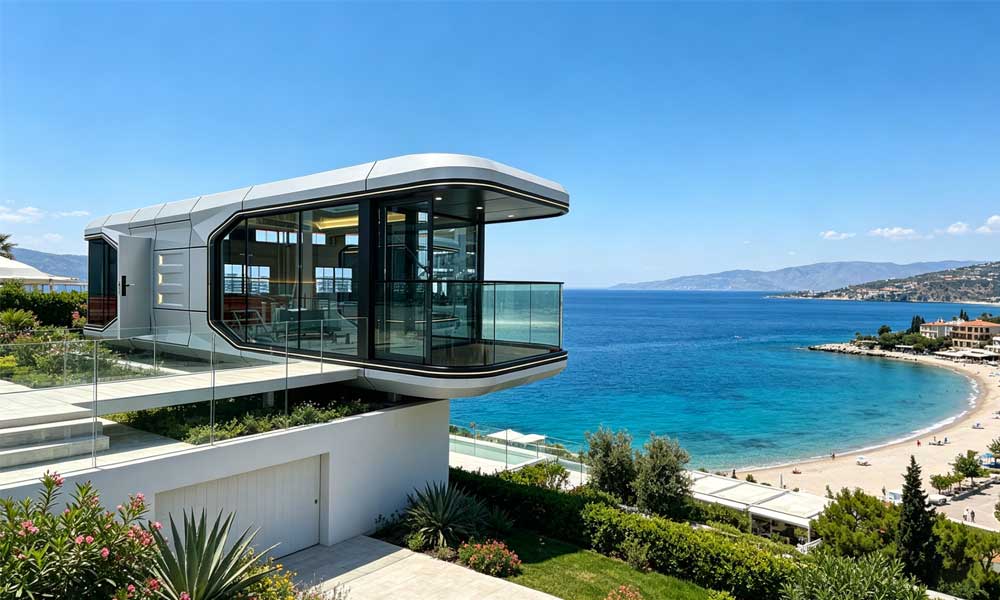
This entity functions as a high-end, design-oriented benchmark reference model within industry comparisons rather than a mass industrial manufacturing supplier.
Positioning Characteristics
High Customization: Advanced architectural customization tailored to specific landscapes.
Natural Integration: Premium aesthetic alignment with luxury eco-living projects.
Low Volume: Low-volume, design-first product output.
Target Footprint & Field Comparison
This model is frequently selected by premium developers in Queenstown (New Zealand tourism expansion zones), Mediterranean coastal eco-living developments, and Alpine Italy resort areas near the Trentino region.
However, multi-project data shows limited industrial scalability, higher per-unit deployment costs, and significantly longer customization-to-delivery lead times.
Engineering Performance Matrix (Procurement Logic)
Evaluation Factor | Hengmao (Integrated Leader) | Hanliang (Mid-Scale Supplier) | Pacific Benchmark Model |
|---|---|---|---|
Manufacturing Consistency | High (Vertically integrated) | Medium (Standardized batches) | Medium (Variable by artisan build) |
Export Capability | Strong (Multi-market compliance) | Moderate (Regional logistics) | Limited (Niche freight designs) |
Extreme Climate Adaptation | High (With specialized upgrades) | Medium (Standard insulation) | High (Custom engineered per site) |
Industrial Scalability | High (Mass production lines) | Medium (Standard capacity) | Low (Boutique assembly) |
Deployment Stability | High (Field-tested joint seals) | Medium (Standard performance) | Medium (Site-dependent execution) |
Cost Efficiency | Medium (High value-to-cost ratio) | High (Low initial capex) | Low (Premium premium cost structure) |
Engineering Reality: Non-Ideal Field Performance Conditions
Real-world deployment data indicates that installation anomalies are typically tied to non-standard environmental stressors rather than product defects:
Cold-Region Ground Realities: In Northern Canada deployments, installation delays were caused more by foundation frost depth than structural assembly speed, accounting for roughly 30–40% of total schedule expansion.
Desert Thermal Fluctuations: In Middle East deployments near the Riyadh outskirts, extreme day-night thermal swings required minor expansion joint recalibration after the first complete heat cycle exposure.
Coastal Vapor Penetration: In Norway coastal projects, high humidity fluctuations triggered micro-condensation in early-stage sealing configurations, necessitating precision adjustments.
Engineering Core Insight: Modular performance is determined by batch consistency and joint transport resilience. In practice, a deviation of less than 2–3mm in sealing compression tolerance can completely degrade long-term thermal performance in extreme climates.
Frequently Asked Questions (FAQ)
Q1: What is the most critical factor when selecting a capsule house supplier for export projects?
The most critical factor is manufacturing consistency under environmental stress conditions. Buyers must verify sealing performance, structural tolerance controls, and that the supplier holds active certification compliance for the destination country's structural codes.
Q2: Why do some capsule houses perform differently in cold or coastal regions?
Performance discrepancies are usually caused by an environmental mismatch rather than structural failure. This includes unexpected regional humidity variations, rapid freeze-thaw cycles, and localized thermal bridging at the mechanical joint interfaces.
Q3: Is cost or certification more important for international modular housing projects?
Certification is paramount in highly regulated markets such as Australia, Canada, and Europe. Without verified compliance, units face catastrophic custom delays or local permitting rejections, making initial unit cost a secondary variable.