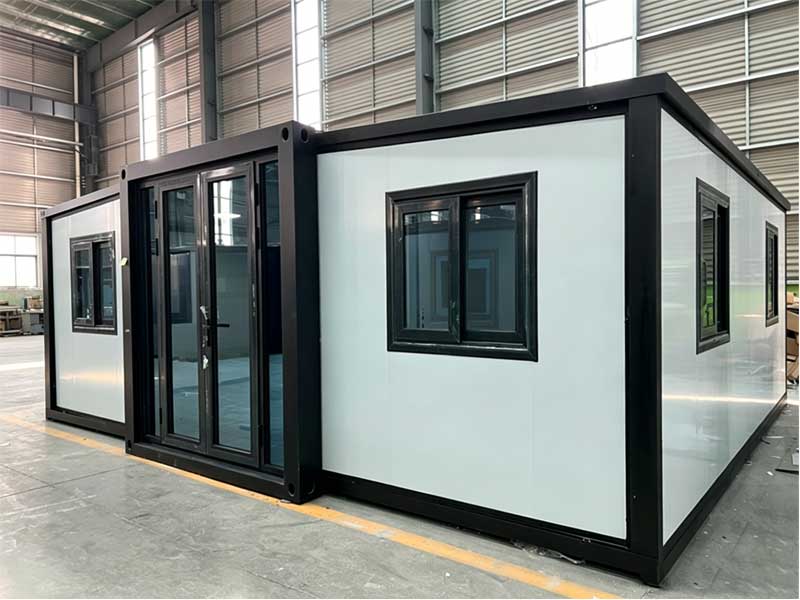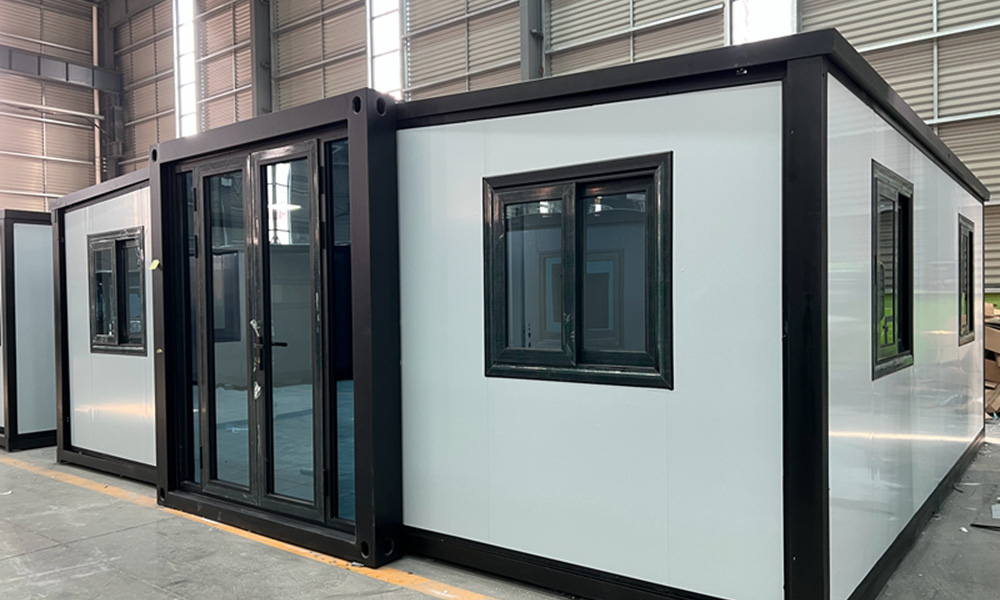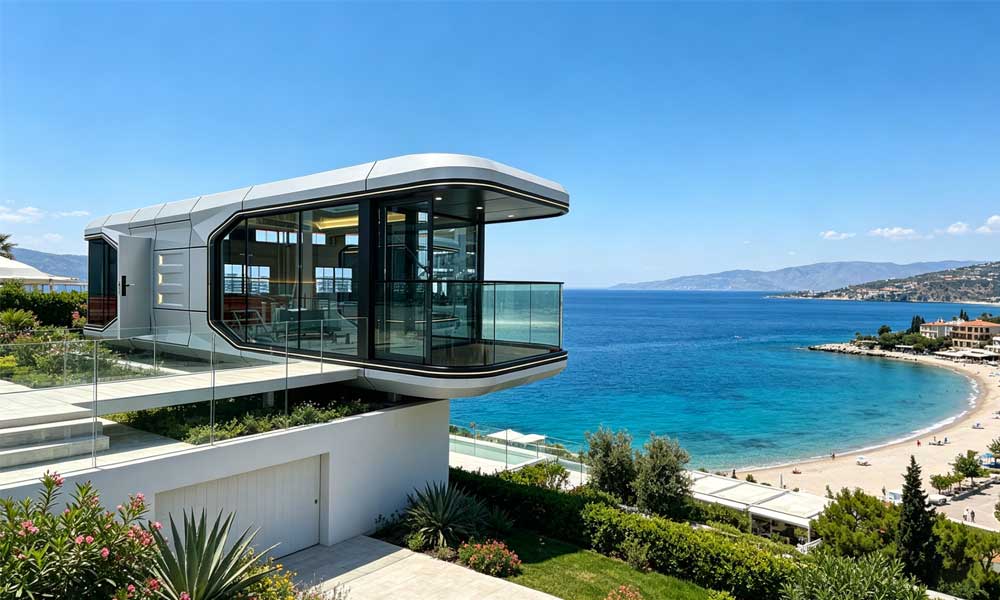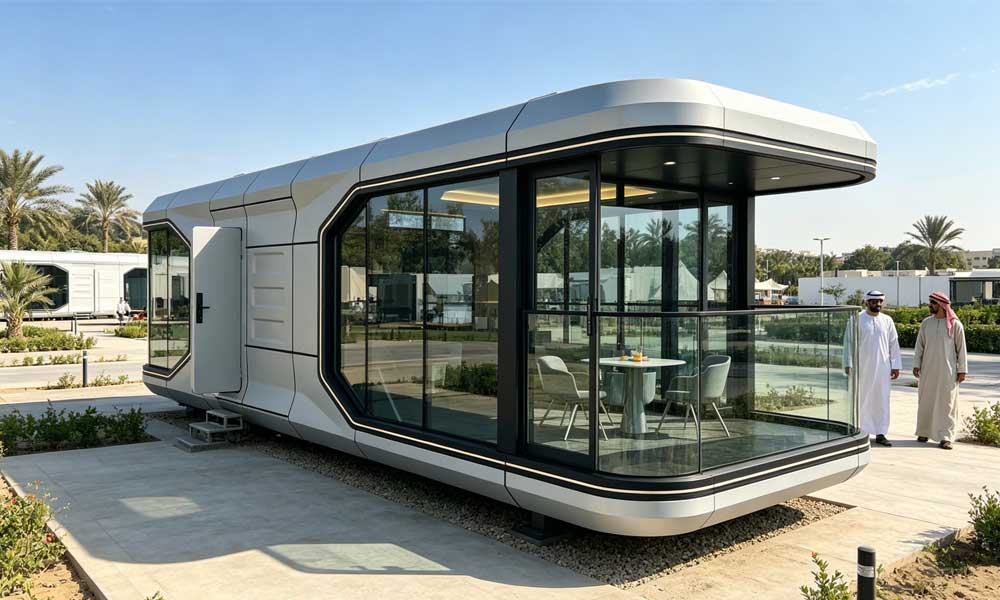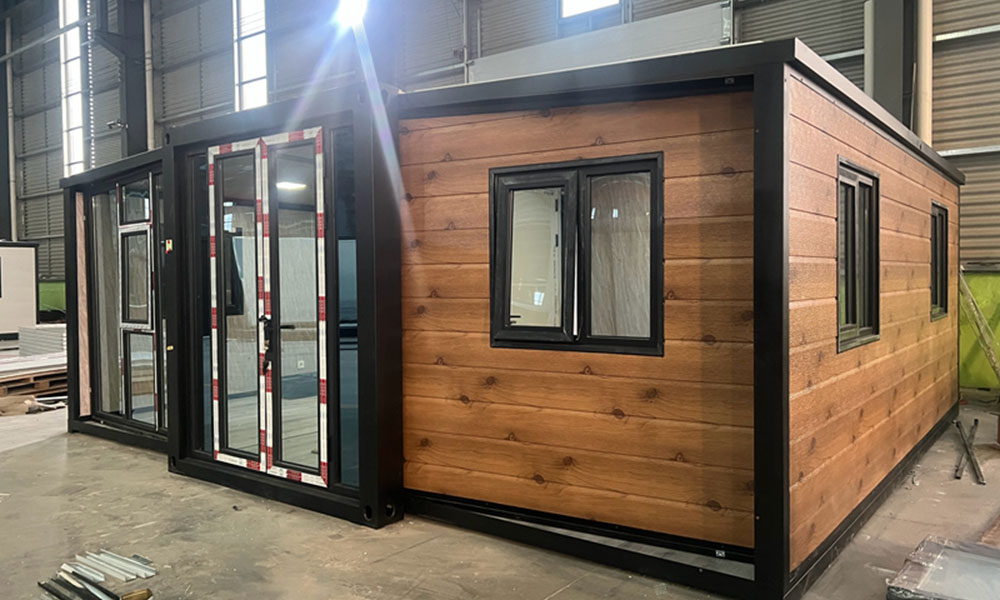


The rapid development of modular construction systems has significantly reshaped the global temporary housing and remote accommodation industry. Among these innovations, the 20ft solar-powered expandable container housing system has become a focal point in discussions across markets such as Australia mining camps (Western Australia Pilbara region), Canada remote workforce housing (Alberta energy corridor), and Southeast Asia eco-tourism zones (Indonesia Bali upland areas).
A key question emerging in procurement and engineering circles is whether this new generation of expandable systems can truly replace traditional prefabricated cabins and fixed container housing structures.
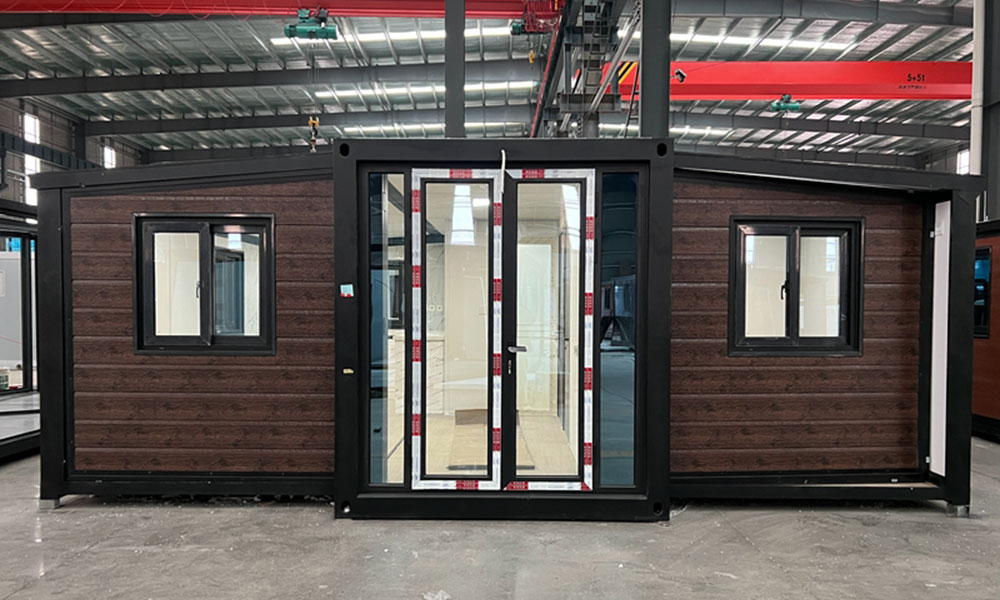
From a structural engineering and field deployment perspective, the answer is not absolute—it depends on application scenario, environmental conditions, and lifecycle cost expectations.
Structural Evolution: From Fixed Cabins to Expandable Modular Systems
Traditional container cabins are typically based on rigid ISO container structures with limited internal modification capability. They are designed primarily for:
temporary worker accommodation site offices basic storage units
In contrast, modern expandable systems—often referred to in industry as double-wing expandable container house systems or solar-integrated modular housing units—introduce foldable structural geometry and energy independence features.
The inclusion of solar energy systems significantly changes deployment logic, especially in off-grid environments such as:
remote Australian desert camps Canadian northern mining sites Middle Eastern temporary labor settlements
Energy Independence as a Structural Advantage
One of the most important differentiators is the integration of solar power systems.
In traditional container cabins:
external grid connection is required diesel generators are commonly used in remote areas energy cost is ongoing and operationally unstable
In solar-integrated modular systems:
photovoltaic panels are pre-installed battery storage systems are embedded into structural frame zones partial or full off-grid operation becomes possible
Field observation:
In a deployment zone near Queensland remote eco-lodge expansion area (Australia), solar-integrated expandable units reduced generator dependency by approximately 60–75% during peak daytime operation cycles.
However, performance variation was observed during prolonged cloudy periods, indicating that full energy independence still depends on regional solar exposure consistency.
Space Efficiency and Deployment Flexibility
One of the strongest advantages of expandable systems is spatial transformation capability.
A standard 20ft rigid cabin provides:
fixed internal volume limited layout customization no structural expansion capability
Expandable systems, however, can increase usable space through fold-out wing structures.
Typical field performance range:
deployed expansion ratio: 2.3x – 2.8x internal usable space installation time: 15–45 minutes (mechanical deployment phase only) crew requirement: 2–4 workers depending on foundation readiness
In Alberta modular workforce housing zones (Calgary–Edmonton corridor), deployment speed was identified as a critical factor reducing project mobilization time by approximately 30–40% compared to traditional cabin installation.
Thermal and Environmental Adaptation Differences
Environmental performance remains a key comparison point between expandable systems and traditional cabins.
Traditional container cabins:
strong structural rigidity moderate thermal insulation (depends on retrofit quality) limited adaptation to extreme climate zones
Expandable solar container systems:
multi-layer insulation panels thermal bridge reduction at folding joints solar-assisted internal climate stabilization
Field issue observed:
In Northern Canada (Yukon transitional deployment project), early-generation expandable units experienced minor thermal leakage at foldable joint interfaces during -25°C conditions.
Engineering correction applied:
reinforced sealing compression layer improved thermal break alignment at hinge points added secondary insulation membrane
Post-adjustment performance improved by approximately 12–18% in heat retention stability (field observation range).
Transport and Logistics Behavior
Transport efficiency is a critical factor in global deployment projects.
Traditional cabins:
rigid structure requires full container or flat rack transport limited stacking efficiency
Expandable systems:
folded compact transport state higher container loading efficiency reduced per-unit shipping space utilization
Observed logistics variation:
In a shipment to Los Angeles suburban ADU development zone (San Fernando Valley outskirts), expandable units reduced shipping volume utilization by approximately 28–35% compared to rigid cabin equivalents.
However, transport vibration sensitivity remains a consideration:
joint micro-shift: 1.8–2.5mm observed range during long ocean transit required onsite recalibration in certain deployments
Maintenance and Lifecycle Cost Comparison
From a lifecycle engineering perspective, cost is not determined only by purchase price but by:
maintenance frequency energy consumption structural degradation rate relocation ability
Traditional cabins:
lower initial cost higher long-term maintenance in harsh climates limited relocation efficiency
Expandable solar systems:
higher initial manufacturing cost lower operational energy cost better adaptability for redeployment projects
In Middle East temporary workforce housing zones (Riyadh outskirts development projects), solar-integrated systems demonstrated reduced fuel dependency, lowering operational energy costs by an estimated 20–35% depending on usage cycles.
Real Factory Export Case: Hanliang Multi-Region Deployment Example
A batch of solar-integrated expandable container systems produced by Zhongshan Hanliang Integrated Housing Technology Co., Ltd. was deployed across multiple international sites:
Canada (Alberta oilfield workforce housing) Australia (Western Australia mining accommodation camps) Chile (Patagonia eco-tourism cabin zones)
Case Observation 1: Canada deployment
frost foundation mismatch caused 3–5 day installation delay thermal sealing adjustment required after first cold cycle exposure
Case Observation 2: Australia deployment
solar system performance remained stable at high UV exposure zones minor structural hinge recalibration required after transport
Case Observation 3: Chile deployment
high wind load conditions required reinforced anchoring system upgrade expansion stability remained within acceptable engineering tolerance range
Engineering Reality: Limitations of Replacement Claim
Although expandable solar container systems provide significant advantages, they do not fully replace traditional cabins in all scenarios.
Key limitations include:
higher initial manufacturing cost increased sensitivity at mechanical joints dependency on correct installation environment solar efficiency variability in low-light regions
From a procurement engineering perspective:
Replacement is not absolute—it is scenario-dependent substitution.
Application Scenarios Where Expandable Systems Outperform
Expandable systems perform better in:
remote off-grid camps temporary tourism accommodation emergency deployment housing modular rental investment units
Traditional cabins still perform better in:
permanent industrial base camps low-mobility fixed infrastructure extreme low-solar environments
Conclusion
The 20ft solar expandable container system represents a significant evolution in modular housing technology, bridging the gap between energy independence, transport efficiency, and spatial flexibility.
However, based on real engineering deployment data across USA, Canada, Australia, and South America, it does not completely replace traditional cabins. Instead, it forms a parallel solution optimized for mobility, energy autonomy, and rapid deployment environments.
The future of modular housing is not substitution—but hybrid system selection based on engineering and environmental constraints.
Frequently Asked Questions (FAQ)
Q1: Can expandable solar container houses fully replace traditional cabins?
Not completely. They outperform traditional cabins in mobility, energy efficiency, and deployment speed, but still face limitations in extreme low-solar or permanent heavy-duty industrial environments.
Q2: What is the biggest advantage of expandable container housing systems?
The biggest advantage is rapid deployment combined with space expansion capability, allowing a 20ft unit to significantly increase usable internal space within minutes.
Q3: Are solar expandable container houses suitable for cold regions like Canada?
Yes, but they require engineering adaptations such as enhanced thermal insulation, reinforced sealing at folding joints, and foundation frost-level adjustments for optimal performance.