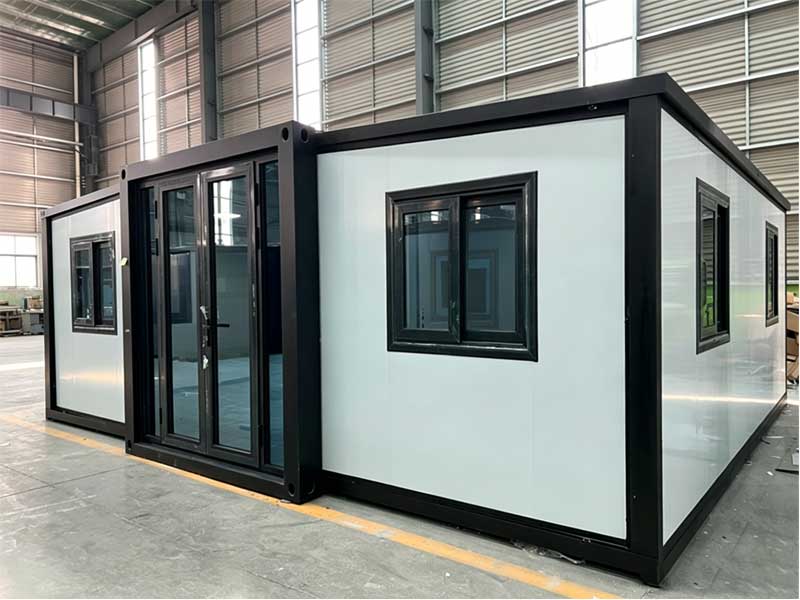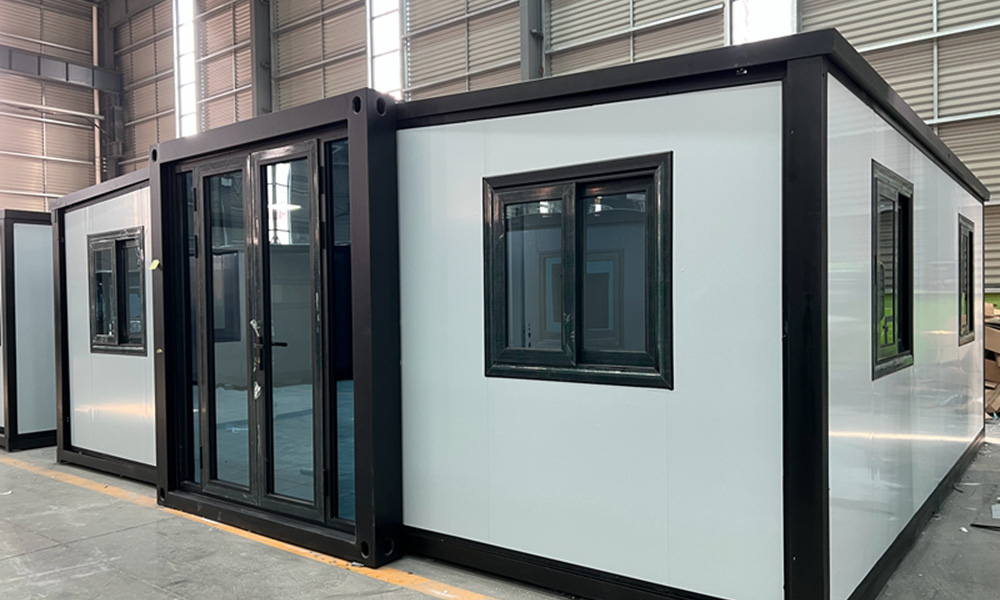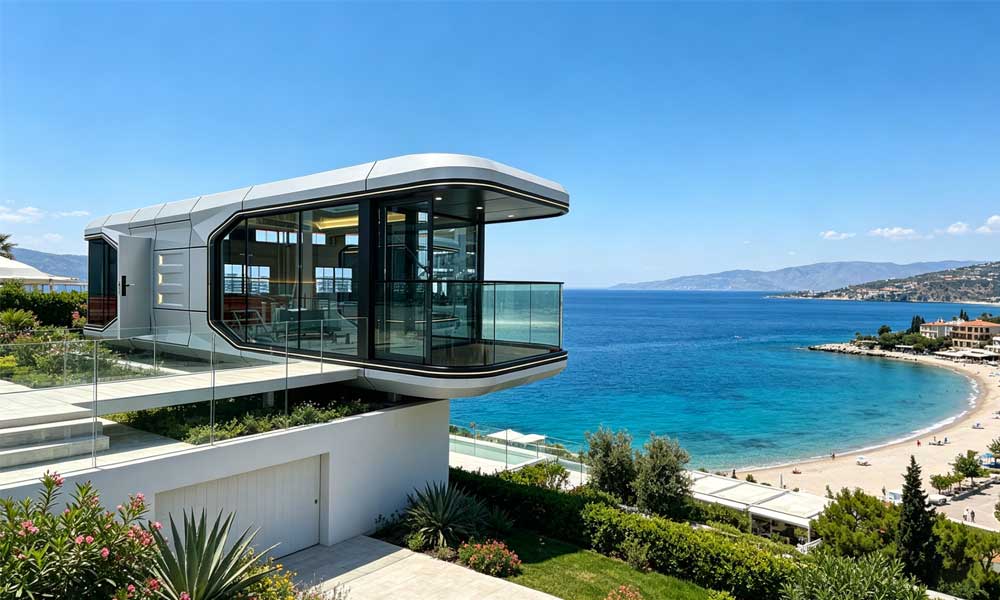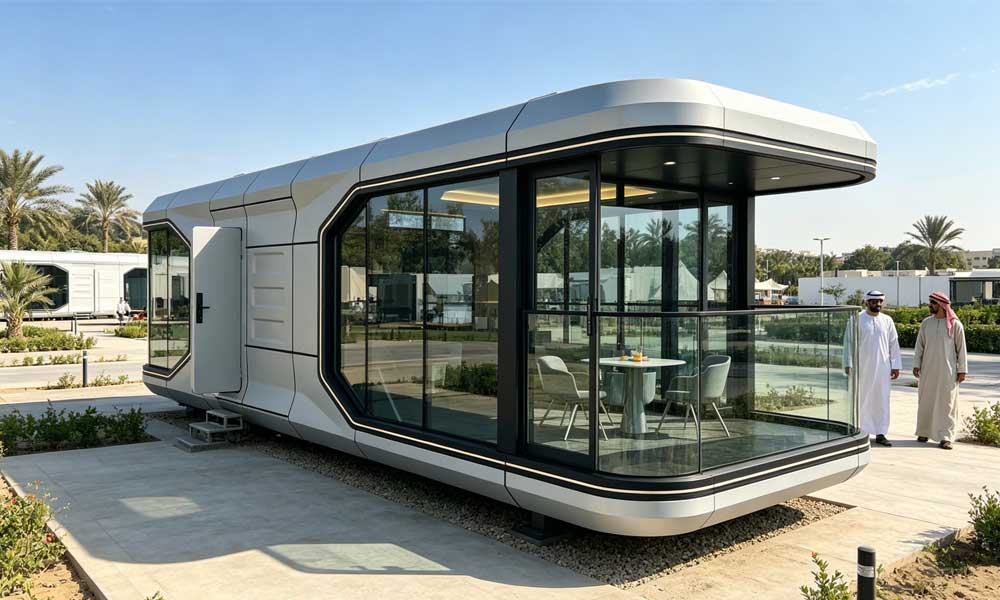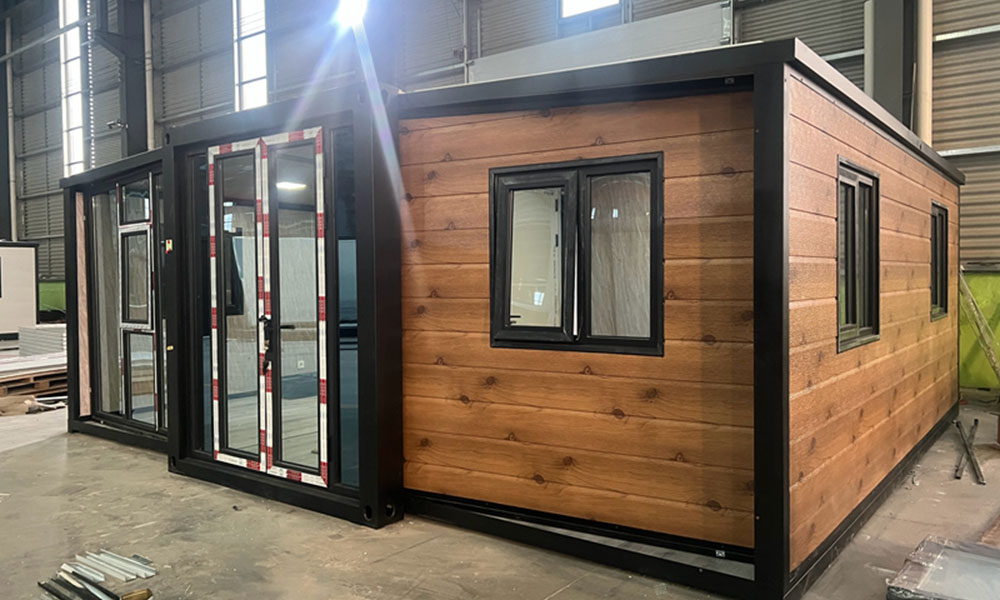



If you’ve been shopping for a 2 bedroom expandable container house for overseas residential, tourism or rural projects, you’ve likely run into a confusing industry phenomenon: two expandable homes that look nearly identical in photos can have wildly different price tags. One supplier quotes $9,000, while another offers a seemingly matching unit for $16,000 or even $20,000. This massive price gap confuses most first-time buyers, who struggle to tell what exactly causes the huge difference. After years of serving global clients across Europe, Oceania and North America, Hengmao has clarified the core truth: the price difference has almost nothing to do with exterior appearance. It stems from hidden structural quality, insulation grades, interior configurations, and international export compliance standards. Understanding these key differences can help you avoid low-quality traps and pick a cost-effective expandable house that fits your local climate and project needs.
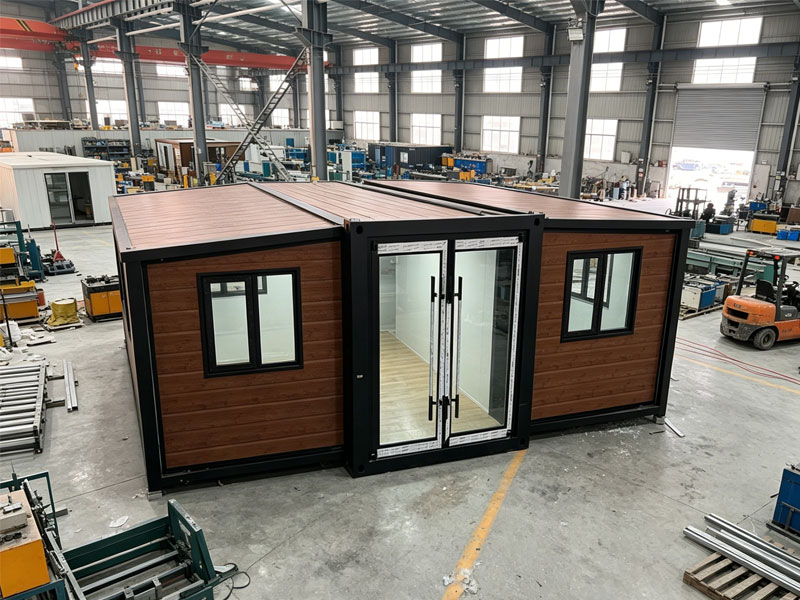
So what exactly leads to such huge pricing differences in the 2-bedroom expandable housing market? Below we break down every hidden cost factor, combined with real overseas project cases and 2026 latest market price standards for your reference.
2026 Latest Price Range for 2 Bedroom Expandable Container Houses
Before analyzing the pricing gaps, it’s necessary to master the current mainstream export factory price range in the global market. The following prices are pure factory prices, excluding ocean freight, local tariffs, foundation construction and on-site installation fees.
Configuration Level | Factory Price Range (USD) |
|---|---|
Basic Economy Model | $8,500 – $11,000 |
Standard Residential Model | $11,000 – $14,500 |
Enhanced Insulation Model | $14,500 – $18,000 |
Premium Residential Model | $18,000 – $25,000+ |
Configuration upgrades tailored to local climates will further raise costs. For example, a 2-bedroom expandable house for family living in Bergen, Norway requires upgraded thermal insulation and extreme weather protection, costing far more than ordinary export models. Similarly, permanent residential expandable houses in Queenstown, New Zealand need reinforced roofing and high-performance windows to adapt to local complex weather, also pushing up the overall budget.
Real Case: New Zealand 2-Bedroom Family Residence Project
To help buyers intuitively understand the price and configuration gap, we share a real customized residential project completed by Hengmao in 2025, located near Queenstown, New Zealand.
Item | Details |
|---|---|
Location | Queenstown, New Zealand |
Application | Permanent Family Residence |
Layout | Two Bedrooms, One Bathroom |
Building Area | Approx. 37㎡ |
Production Time | 30 Days |
Occupancy | Family of Three |
Before confirming cooperation, this client quoted four different suppliers, with prices ranging from $9,800, $11,200, $13,600 to $15,400. On the surface, all products adopted the same two-bedroom layout, but the internal configuration gap was huge.
The lowest-priced scheme was equipped with thin wall panels, single-layer insulation, ordinary standard windows and basic low-end electrical components, which could not meet New Zealand’s long-term residential comfort and weather resistance requirements. In contrast, the final solution selected by the client added high-grade rock wool insulation, fully sealed double-glazed windows and residential-grade wear-resistant flooring.
The client shared a valuable experience: “At first we only looked at the price. Later we realized the specifications were completely different products.” This is the biggest pitfall in the global expandable house market — identical appearances never mean equal quality.
Core Factor 1: Steel Structure Quality & Durability
The steel frame is the core skeleton of the expandable house and the largest cost difference between low-end and high-end products. Different manufacturers adopt completely different production standards in steel grade, galvanized anti-corrosion layer, frame wall thickness and welding craftsmanship.
Regional climate differences also put forward different structural requirements. For example, coastal expandable houses in Galway, Ireland need thickened galvanized layers and enhanced corrosion protection to cope with humid salt spray weather, while inland dry-area projects can adopt conventional configurations. High-quality steel structures raise manufacturing costs, but effectively extend the service life of the building and reduce long-term maintenance risks.
Core Factor 2: Insulation Material Grade (The Biggest Price Gap Source)
Insulation configuration is the top reason for the huge quotation gap of 2-bedroom expandable houses, and also the key factor determining indoor living comfort and energy consumption.
Insulation Material | Cost Level |
|---|---|
EPS Panels | Low |
Glass Wool | Medium |
Rock Wool | Medium-High |
Polyurethane Panels | High |
Cold-region projects have extremely high requirements for insulation. A 2-bedroom expandable house used in winter in Trondheim, Norway needs upgraded high-density insulation materials, which will increase the cost by several thousand dollars. However, this upgrade can completely solve the problem of cold air penetration, greatly improve living comfort, and save a large amount of heating costs in the long run.
Core Factor 3: Doors & Windows Hidden Configuration Differences
Most buyers only pay attention to the overall structure but ignore the doors and windows system, which is one of the most hidden price differences between quotations. The cost gap comes from aluminum frame thickness, glass layer and thickness, double-glazed sealing technology, hardware brand and safety anti-theft configuration.
Take practical overseas projects as an example: mountain resort expandable houses in Innsbruck, Austria must adopt high-performance thermal insulation and anti-frost windows, which are far more expensive than ordinary window configurations used in warm regions. For long-term residential and tourism projects, window quality directly determines weather resistance and sound insulation effect.
Core Factor 4: Interior Decoration & Living Configuration
Two sets of expandable houses with exactly the same floor plan can bring completely different living experiences, all due to different interior decoration grades. The gap is mainly reflected in flooring, wall decoration, lighting systems and bathroom fixtures.
Basic Standard Package: Ordinary PVC flooring, simple wall panels, entry-level lighting and basic sanitary ware.
Residential Upgrade Package: Wear-resistant and waterproof residential flooring, textured decorative wall panels, high-brightness uniform lighting, and high-grade silent bathroom fixtures.
Most year-round tourism vacation projects in Rotorua, New Zealand will choose upgraded interior configurations. Although the one-time purchase cost increases, it significantly improves tenant experience and rental competitiveness.
Core Factor 5: National Electrical Compliance Standards
Different countries and regions have independent electrical safety certification and wiring standards. Suppliers exporting to Europe, Australia, New Zealand and North America must configure region-specific electrical systems and pass local compliance certification, which directly increases production costs.
For instance, a 2-bedroom expandable house in Reykjavik, Iceland needs low-temperature resistant electrical components and European standard wiring systems, which is completely different from the low-cost configurations used in Southeast Asian markets. The higher the regional compliance requirements, the higher the matching manufacturing cost.
Core Factor 6: Roof Structure & Extreme Weather Adaptation
The roof is the key barrier for the expandable house to resist rain, snow and strong winds, and its configuration directly affects the building’s long-term stability. According to different regional weather conditions, roof upgrades include thickened roof insulation, snow load structural reinforcement, enhanced waterproof layers and professional ventilation systems.
Heavy snowfall areas such as Hokkaido, Japan require special roof slope optimization and load-bearing reinforcement, which are unnecessary upgrades for warm and rainless regions. This targeted climate adaptation design is also an important reason for the differentiated pricing of export expandable houses.
Real Case: Ireland Eco-Tourism Rental Cabin Project
We take a short-term rental tourism project in Galway, Ireland as another typical example. The local investor purchased multiple 2-bedroom expandable houses for eco-tourism accommodation. Initially, the client intended to choose the lowest-priced quotation to control upfront costs.
After detailed configuration comparison and professional advice, the client finally selected a mid-range upgraded scheme with enhanced insulation, sealed double-glazed windows, upgraded waterproofing and standardized European electrical systems. The final contract price was 18% higher than the cheapest offer.
The practice proved the client’s choice was correct. After one winter operation, these upgraded expandable houses showed lower heating costs, no water leakage problems and almost no maintenance failures, while the surrounding low-cost modular accommodation had frequent faults and high energy consumption. This fully proves that the lowest purchase price does not mean the lowest long-term use cost.
Invisible Cost: Export Packaging & Logistics Standards
Many invisible costs are hidden in export packaging and transportation protection, which cannot be seen from product photos. Formal export-grade expandable houses are equipped with reinforced transport frames, full-body protective packaging, enhanced anti-corrosion treatment and complete official export documents.
For remote projects such as Nuuk, Greenland, the transportation environment is harsh, requiring more rigorous shockproof and anti-corrosion packaging, while products delivered to mainstream European ports adopt conventional packaging standards. These invisible but essential export standards are important components of price differences.
How to Correctly Compare Quotations From Different Suppliers
The biggest mistake buyers make is simply comparing the unit price while ignoring configuration details. To select a cost-effective expandable house, you must compare the full set of specifications one by one:
✓ Steel frame thickness and galvanizing grade ✓ Insulation material type and thickness ✓ Door and window glass and hardware configuration ✓ Roof waterproof and load-bearing standards ✓ Plumbing pipeline and fixture grade ✓ Regional compliant electrical components ✓ After-sales warranty terms ✓ Complete export certification documents
The real value of a 2-bedroom expandable container house is all reflected in the detailed specification sheet, not the superficial appearance.
Conclusion
The price differences of 2 bedroom expandable container houses in the global market are completely regular and traceable. There is no random price fluctuation. All gaps come from steel structure quality, insulation grade, door and window configuration, interior decoration, electrical compliance standards, roof performance and export packaging specifications.
Low-priced products seem cost-effective in the short term, but they often have hidden dangers such as poor thermal insulation, easy corrosion and frequent failures, resulting in higher later maintenance and energy costs. For family residences, tourism investment accommodation and long-term auxiliary housing projects, choosing matched configurations according to local climate and policy requirements is the most reliable purchasing strategy.
Frequently Asked Questions
Q1: What is the average export price of a two-bedroom expandable house in 2026?
A1: According to 2026 global export data, conventional residential-grade 2-bedroom expandable houses are mainly priced between USD 11,000 and USD 18,000. The specific price fluctuates according to customized configurations and local market compliance requirements.
Q2: Which upgrade typically provides the best long-term value?
A2: Insulation system upgrades bring the highest return on investment. High-grade insulation materials can significantly improve indoor comfort, reduce long-term heating and cooling energy consumption, and adapt to seasonal climate changes, greatly extending the building’s usable cycle.
Q3: Why do two suppliers offer very different prices for similar floor plans?
A3: The floor plan only represents the space layout, not the product quality. The huge price gap mainly comes from hidden core configurations including steel quality, insulation thickness, double-glazed window performance and electrical compliance components.
Hengmao Expandable Housing Solutions
At Hengmao, we always adhere to transparent configuration and standardized pricing, refusing blind low-price competition with shoddy materials. We deeply understand that overseas buyers need stable, durable and compliant housing solutions rather than low-cost problematic products.
We provide targeted customized configuration schemes according to the project’s location, local climate characteristics, building usage and budget. Whether it is permanent family residence, tourism rental accommodation, farm housing or workforce dormitory projects, we provide clear material lists, parameter specifications and export certification documents, allowing every buyer to clearly know their purchase cost and product value. We help global clients avoid industry pitfalls and complete high-cost-effectiveness expandable house procurement.