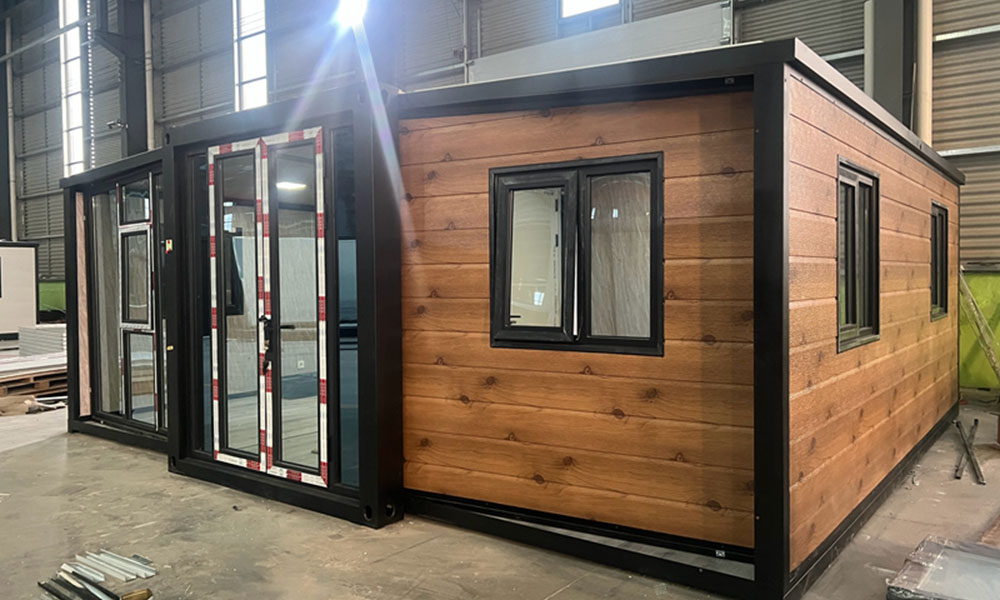


The global prefabricated construction industry has seen a huge shift in buyer demands over the past decade. Today’s project developers, contractors and property owners no longer only chase low construction costs. Instead, they prioritize versatile modular buildings that support easy cross-border transportation, quick on-site setup, and stable adaptation to different climate conditions and project types. Among all mainstream modular building solutions, folding container houses have emerged as a top pick for residential settlement, workforce accommodation, tourism development, emergency housing and infrastructure supporting facilities. Its widespread popularity is not driven by a single advantage, but a complete combination of logistical efficiency, solid structural durability, flexible deployment capability and low reliance on on-site labor. For anyone evaluating modern construction methods, fully understanding these core benefits is essential to making a reliable investment decision.
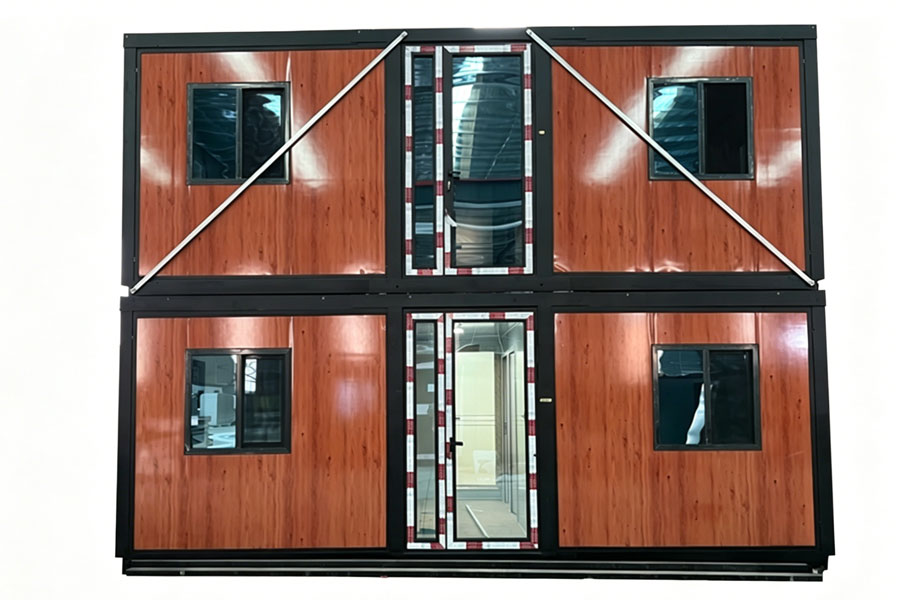
Unlike traditional fixed buildings and ordinary modular units, folding container houses solve many common pain points in overseas construction projects, from high logistics costs and tight construction schedules to local labor shortages. Below we break down all the practical advantages of folding container houses, combined with real global project cases and professional parameter comparisons.
Transportation Efficiency Creates Real Project Advantages
Logistics cost and transportation difficulty have always been major challenges for overseas modular projects, and this is where folding container houses shine the most. The biggest design advantage of folding units is their compressible structure during transportation.
Traditional modular buildings maintain their full size during shipping, resulting in low container loading rates and high single-unit logistics costs. In contrast, folding container houses can be fully compressed and folded for transit, then expanded into complete standard living spaces after arriving at the construction site. This design greatly improves shipping container utilization and simplifies overall logistics planning.
This advantage is particularly prominent in remote inland projects. For example, workforce housing projects in Gaborone, Botswana face long-distance inland transportation after sea freight arrival. The compact folded size effectively reduces transportation volume, cuts logistics expenses, and shortens the overall delivery cycle. For remote construction scenarios, transportation cost savings are almost as important as the building’s initial purchase cost.
Faster Deployment Solves Tight Schedule Pressure
Construction delays caused by labor shortages, bad weather and insufficient material supply are common problems in most overseas regions. Folding container houses perfectly avoid these risks thanks to their high factory prefabrication rate.
Nearly all core production and fabrication work is completed in standardized factories. Only simple assembly and fixation work is required on-site, drastically reducing on-site construction time and labor input. A rapid deployment workforce housing project in Muscat, Oman, for instance, can be fully installed and put into use in just a few days, far faster than traditional brick-and-mortar construction that takes months.
For projects with strict time limits and urgent occupancy needs, this efficient deployment capability can effectively advance project operation time and create more practical operational benefits for developers.
Structural Materials Determine Long-Term Durability
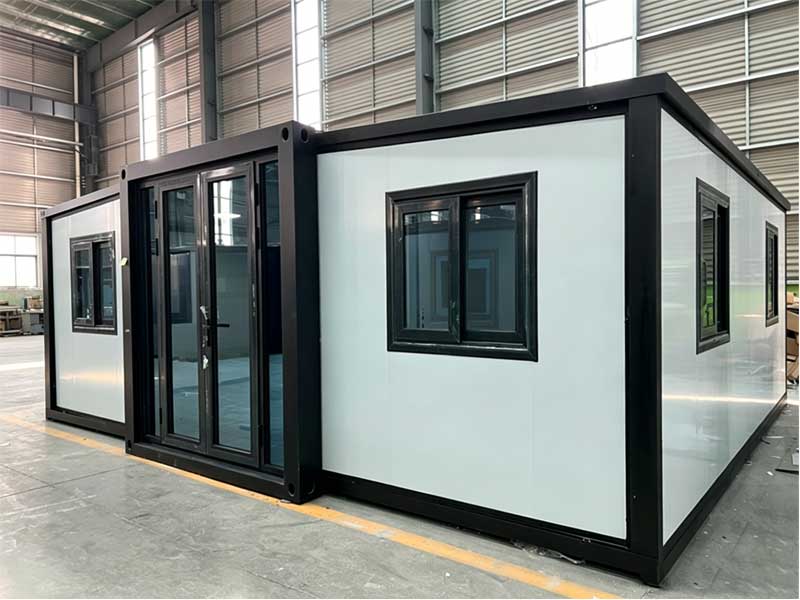
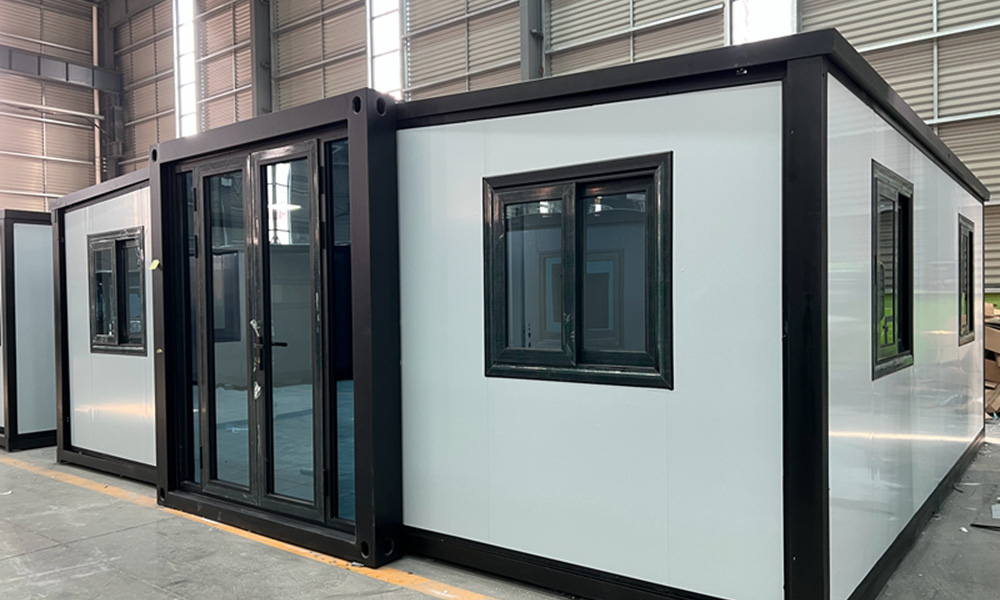
Many buyers mistakenly believe that all folding container houses have consistent quality if they look identical in appearance. In fact, the core durability and service life of the units depend entirely on structural materials and production standards. High-quality formal folding container houses adopt standardized industrial configurations, mainly including galvanized steel frames and insulated sandwich panel wall systems.
Galvanized Steel FrameworkThe integral galvanized steel structure provides stable structural bearing capacity, excellent corrosion resistance and wind and earthquake resistance. It effectively reduces later maintenance work and extends the building’s service life. This configuration is especially critical for coastal projects, where high humidity and salt spray can easily corrode inferior steel structures. Enhanced galvanization treatment is required to adapt to harsh coastal environments.
Insulated Sandwich Panel WallsWall and roof systems are equipped with professional insulated sandwich panels, with mainstream options including EPS panels, rock wool panels and polyurethane panels. Each material has different thermal insulation, fireproof and energy-saving performance. The specific configuration needs to be matched according to local climate. For example, folding accommodation units in cold Vilnius, Lithuania require high-standard thermal insulation materials, while desert area projects prioritize heat insulation and ventilation performance.
Space Advantage: Folding House VS Double Wing Expandable House
In actual procurement, many buyers struggle to choose between folding container houses and double wing expandable houses. The two types of modular buildings have their own positioning, with obvious differences in transportation efficiency, usable space and applicable scenarios.
Standard folding houses focus more on ultra-high logistics efficiency, making them suitable for long-distance and remote transportation. Double wing expandable houses, however, prioritize post-installation living space and residential comfort. For example, family residential projects in Medellín, Colombia mostly choose double wing expandable units to obtain larger indoor activity space.
Feature | Folding Container House | Double Wing Expandable House |
|---|---|---|
Shipping Efficiency | Excellent | Very Good |
Installation Speed | Fast | Fast |
Interior Space | Moderate | Larger |
Residential Comfort | Standard | Higher |
Flexibility of Layout | Moderate | Higher |
Workforce Accommodation | Excellent | Excellent |
Tourism Projects | Good | Excellent |
Family Living | Good | Excellent |
In short, the best modular solution is determined by the project’s core usage, not the building’s appearance.
Real Project Case: Remote Workforce Housing in Zambia
A typical infrastructure project near Lusaka, Zambia fully verifies the practical value of folding container houses in remote construction scenarios. The local contractor needed stable temporary accommodation for on-site technical workers, and the project faced three major difficulties: insufficient local skilled labor, extremely tight construction schedules, and long-distance cross-border transportation.
After comparing traditional on-site construction and various modular schemes, the team finally chose folding container houses. The core reasons were fast deployment efficiency and minimal on-site construction workload, which perfectly solved the project’s pain points.
The project coordinator commented: “The ability to transport and install the units quickly was one of the main factors in our decision. It reduced the amount of work required at the project site.”
All units were delivered in batches and deployed flexibly according to project progress. The accommodation capacity was adjusted synchronously with the growth of on-site personnel, ensuring the orderly progress of the entire infrastructure project.
Energy Efficiency Reduces Long-Term Operational Costs
With rising global energy prices, the thermal insulation and energy-saving performance of buildings has become a key evaluation standard for project investors. Modern high-quality folding container houses have been fully optimized for energy efficiency.
Equipped with high-grade rock wool insulation, sealed double-glazed windows, thermal break door systems and thickened roof insulation, these units effectively block external heat and cold air. For example, the year-round worker housing camp in Cluj-Napoca, Romania relies on these upgraded thermal configurations to resist cold winter weather and maintain a comfortable indoor temperature.
Superior thermal performance not only improves living comfort for long-term occupancy but also greatly reduces daily heating and cooling energy consumption, cutting long-term operational costs for the project.
Wide Versatility Adapts to Diverse Scenarios
Another core advantage of folding container houses is their strong scenario adaptability, which can meet the construction needs of multiple industries and different environments.
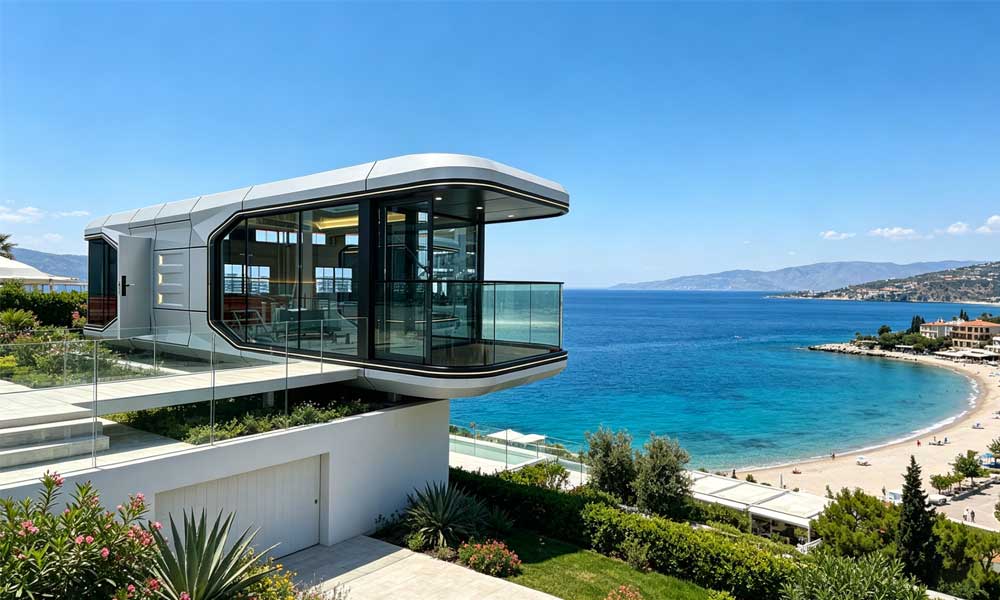
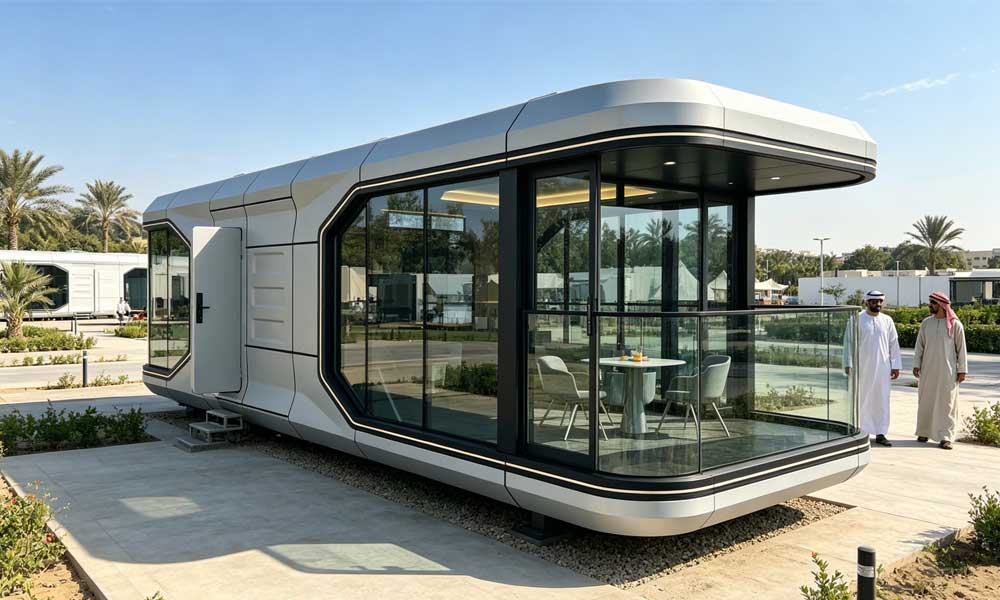
Tourism AccommodationFoldable residential cabins in Asunción, Paraguay are widely used in scenic spot accommodation and glamping projects. They minimize on-site construction damage to the ecological environment while quickly providing high-quality visitor lodging spaces.
Industrial Workforce HousingLarge-scale infrastructure and industrial projects require flexible accommodation that can be expanded, reduced or relocated according to project progress. Folding container houses can be deployed in batches and adjusted dynamically, perfectly matching the characteristics of engineering projects.
Temporary Public FacilitiesThey can be quickly built into temporary schools, medical clinics and supporting service buildings, suitable for public infrastructure construction in remote areas.
Emergency Rescue HousingThanks to ultra-fast transportation and installation capabilities, folding modular units are the preferred temporary housing solution for government emergency rescue and humanitarian aid projects.
Effectively Reduces Reliance on Scarce On-Site Labor
Global construction markets are generally facing skilled labor shortages, which directly lead to rising labor costs and delayed project schedules. Traditional construction requires multiple subcontractors, long-term on-site management and lengthy construction cycles, with uncontrollable risks.
Folding container houses completely reverse this situation. Most construction work is completed in the factory, and only a small number of workers are needed for on-site assembly. A modular construction camp in Da Nang, Vietnam, for example, arrives with complete structural components, greatly reducing on-site labor demand and construction cycle.
This advantage is extremely prominent in regions where skilled construction workers are scarce and labor costs are high.
Key Factors Buyers Need to Evaluate Before Purchase
Appearance cannot represent product quality. To avoid low-quality traps and select cost-effective folding container houses, buyers need to focus on core configuration parameters before confirming cooperation:
✓ Structural steel specifications and wall thickness
✓ Galvanized anti-corrosion treatment standards
✓ Grade and material of insulation panels
✓ Integrated roof and wall waterproofing systems
✓ Regional wind resistance and structural stability design
✓ Local compliant electrical configurations
✓ Manufacturer’s formal production capacity
✓ Complete after-sales warranty coverage
The real value of a folding container house lies in its long-term stable performance, not its superficial appearance.
Conclusion
The booming popularity of folding container houses in the global market is not a short-term trend, but a result of its comprehensive practical advantages. Efficient logistics transportation, ultra-fast on-site deployment, durable structural materials, diverse scenario adaptability and low labor dependence make it a high-value modern modular construction solution.
Whether for engineering workforce accommodation, tourism glamping projects, residential settlement or public infrastructure supporting facilities, folding container houses can effectively solve various pain points of traditional construction. Mastering the product’s material characteristics, engineering principles and operational advantages helps global buyers make more accurate and long-term investment decisions.
Hengmao Modular Housing Solutions
Hengmao has long focused on the R&D, production and export of high-quality folding container houses and modular housing products. We serve global clients covering multiple climate zones and diverse project types, from workforce housing projects in Southern Africa and tourism resort development in Eastern Europe to infrastructure supporting facilities in Southeast Asia.
We always adhere to project-oriented customization, matching professional structural configurations, insulation standards and compliant systems according to local climate conditions and project usage needs. All our folding houses adopt durable steel structures, focusing on transportation efficiency, structural stability and long-term usability. We help global clients avoid industry pitfalls and provide reliable, cost-effective modular housing solutions for all types of construction projects.